
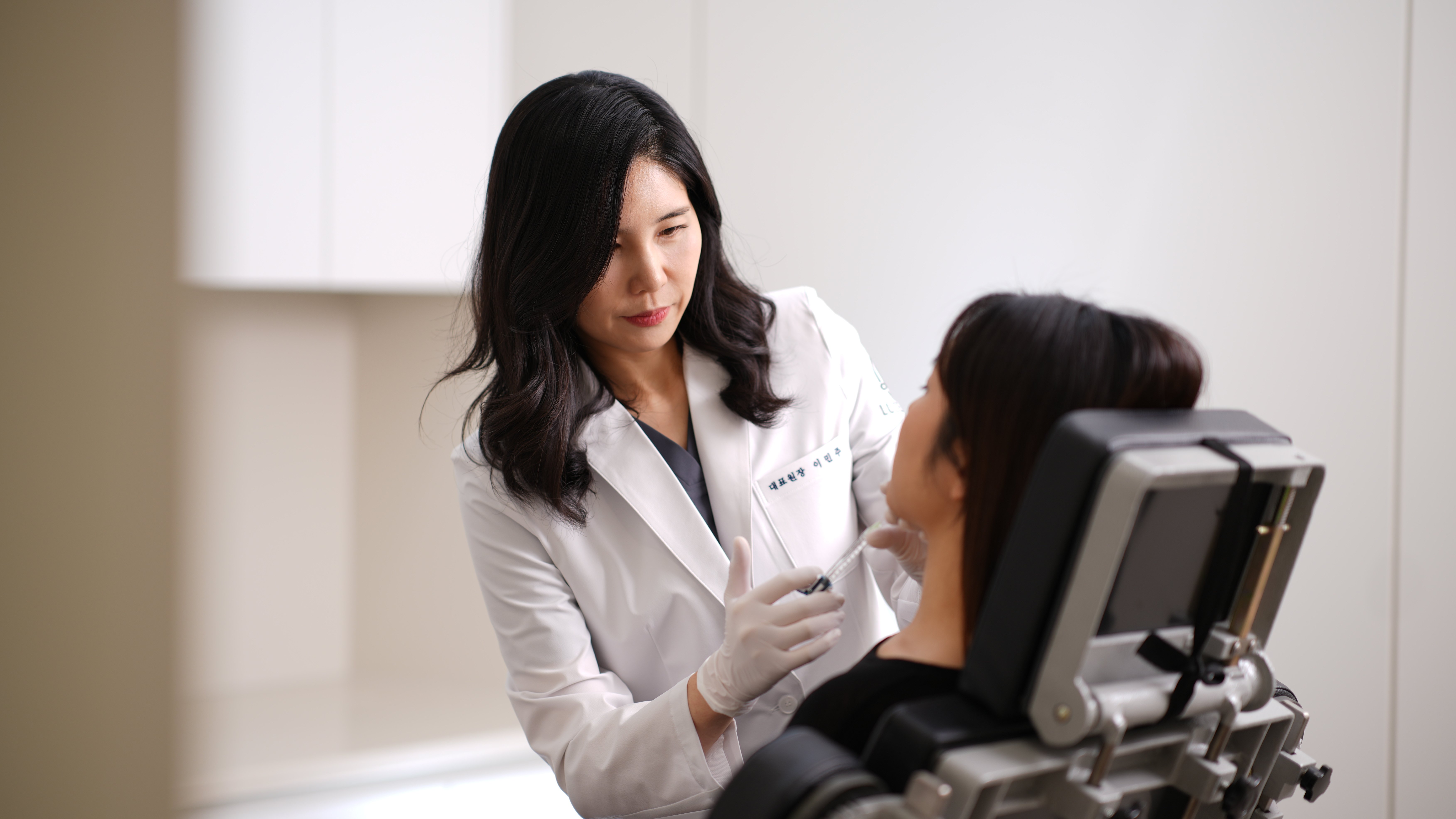
Gangnam Anti-Aging Treatment: Understanding the Approach
Anti-aging care can address different concerns, from changes in skin elasticity to facial contour and volume. At Lucenne clinic, the approach begins with identifying which concerns matter to the patient and considering how a proposed treatment relates to them. The clinic offers customized lifting combinations alongside facial contouring, body contouring, and anti-aging programs. A treatment plan should be chosen for the individual concern, not simply because a procedure is described as anti-aging.
Why Treatment Planning Starts With Your Concerns
Skin changes do not look the same for everyone. Some people are most concerned about looseness, while others notice a change in facial definition or volume. These concerns can overlap, but they do not necessarily call for the same approach. A consultation gives you a chance to describe what you have noticed and which changes you would like to discuss. It also allows the doctor to explain what a proposed treatment is intended to address.
Lucenne clinic describes its lifting combinations as customized following an evaluation of skin elasticity, volume, and contour. These are distinct considerations: elasticity relates to how the skin behaves, while volume and contour help shape the appearance of the face. Discussing them separately can make the purpose of a recommendation clearer. Founder and Medical Director Minju Lee, MD, provides one-on-one consultations and customized treatment. During your consultation, ask the doctor to identify the concern each proposed procedure is intended to address and explain why it is being considered for you. This conversation can also help you decide whether you want to pursue treatment or take more time to consider your options.
Effective planning starts with a clear description of the concern, followed by an assessment of the relevant features. A consultation should leave you understanding the purpose of each proposed treatment and the questions you still need answered.
What Customized Lifting Means
Lucenne clinic offers lifting combinations designed around an evaluation of skin elasticity, volume, and contour. The word lifting describes the intended aesthetic focus, but it does not by itself explain which procedures will be used. Ask the medical staff to name the proposed procedures and explain how each one relates to your assessment. This is particularly useful if more than one approach is recommended, because each component may serve a different purpose.
Before proceeding, discuss the practical aspects of the proposed plan. Ask what the procedure involves, whether it requires preparation, what recovery might be like, and when any changes could be assessed. Changes may take time depending on your individual condition and the treatment selected. It is also reasonable to ask which concerns a procedure is not intended to address. For example, a plan focused on skin elasticity should be discussed in relation to any separate concerns about volume or facial definition. Knowing the distinction helps you consider the recommendation on its own terms, rather than assuming that one treatment will address every concern. The doctor can also explain whether a proposed combination is appropriate for your circumstances.
Facial Definition and Natural Expression
The Faceline program at Lucenne clinic uses botulinum toxin and skin boosters as part of an approach to facial contouring. The program is intended to enhance definition while keeping expressions natural. Botulinum toxin and skin boosters are different types of treatment, so a recommendation involving either should come with an explanation of its intended role. Ask which areas are being considered and how the suggested approach relates to your goals.
When discussing facial treatment, describe the features you want to preserve as well as the changes you want to explore. A useful consultation is not limited to naming a procedure; it should also cover what the treatment can reasonably be expected to do. Ask about potential risks, aftercare, and alternatives before deciding. If you have had previous aesthetic treatments, share that history so the doctor can take it into account when discussing a new plan.
| Program | Stated focus |
|---|---|
| Lifting | Customized combinations informed by skin elasticity, volume, and contour |
| Faceline | Facial contouring with botulinum toxin and skin boosters |
| Off Shoulder | Refining the shoulder line from the neck toward the arms |
| Body Contouring | Management of targeted fat and body volume |
These programs have different areas of focus, even when a patient is interested in more than one. The names are a starting point for discussion rather than a substitute for a treatment plan. Ask which program, if any, addresses your primary concern, what procedures it would involve, and whether another approach deserves consideration. The doctor’s explanation should help you compare the intended purpose of each option with your own priorities.
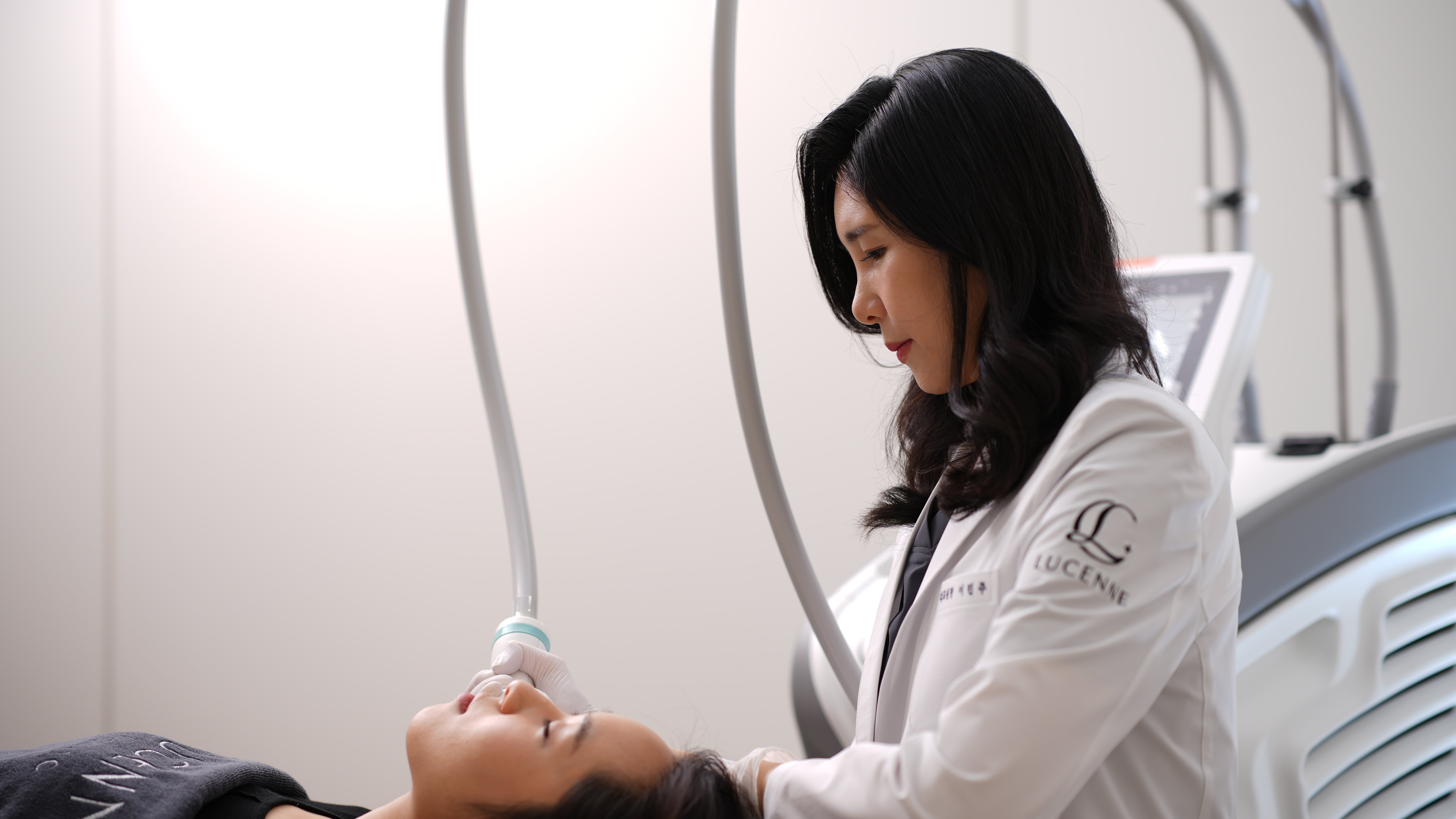
Gangnam Anti-Aging Treatment Options Beyond Facial Lifting
Anti-aging consultations can extend beyond facial skin. Lucenne clinic offers programs focused on the shoulder line and body contours, as well as an anti-aging program that includes stem cell therapy, antioxidant and immune treatments, and intravenous programs. These approaches should not be treated as interchangeable. The proposed procedure, its evidence, and its relevance to your concern are more informative than the program name alone. Ask for a clear explanation before choosing any treatment.
Shoulder and Body Contouring
The Off Shoulder program focuses on the shoulder line and the transition from the neck toward the arms. Body Contouring focuses on targeted fat and body volume. Both are distinct from the clinic’s facial lifting and Faceline programs. If you are considering either, describe the area you want to discuss and ask what the proposed treatment would involve. The program description establishes its focus, but the individual plan should be explained in detail during consultation.
It is helpful to separate your aesthetic goal from the method used to pursue it. For instance, a discussion about the shoulder line should cover what aspect of the area concerns you and how the doctor proposes to address it. A body contouring discussion should identify the targeted area and explain the procedure being considered for fat or volume management. Ask about preparation, possible complications, recovery, and any limitations that matter to your decision. If a combination of treatments is proposed, request an explanation of why each component is included. You can also ask how the doctor would assess a change and what follow-up, if any, is recommended. This keeps the conversation centered on the actual treatment rather than a broad program label.
Facial, shoulder, and body programs address different concerns, so their names do not tell you everything about the procedures involved. A useful consultation identifies the target area, explains the proposed method, and sets realistic expectations.
Understanding the Anti-Aging Program
Lucenne clinic describes its anti-aging program as an approach to overall body condition that includes stem cell therapy, antioxidant and immune treatments, and specialized intravenous programs. These categories cover different interventions and should be discussed individually. Ask the doctor to explain the specific treatment being proposed, its intended purpose, and why it is relevant to your health or aesthetic concern. A broad program description alone cannot establish whether a particular intervention is appropriate for you.
Evidence and safety differ between interventions. In particular, the use of stem cell therapy for general anti-aging should not be assumed to provide proven rejuvenation benefits. Before considering such treatment, ask what product or cells would be used, how the treatment would be administered, what evidence supports the proposed use, and what risks are known. For an intravenous treatment, ask which substances are included and why each is being recommended. Tell the medical staff about your medical history, medications, allergies, and previous reactions to treatment. The doctor can then discuss whether an intervention is suitable, what alternatives exist, and whether the potential benefits justify the risks in your circumstances. You do not need to decide before your questions have been answered.
Questions to Ask About Any Proposed Procedure
Start by asking the doctor to name the procedure and describe its purpose in plain language. Then ask how it is performed, which part of your concern it is intended to address, and what a reasonable assessment of change would involve. If the recommendation includes more than one procedure, ask what each contributes. You can also discuss whether it is reasonable to consider the options separately rather than as a combination.
Practical questions matter as much as aesthetic goals. Ask about preparation, discomfort management, recovery, potential complications, and any activities you may need to plan around. Discuss your health history before proceeding, including medications, allergies, and previous procedures. If the explanation is unclear, ask the medical staff to clarify it before giving consent. A decision can be informed only when you understand both the intended purpose and the relevant uncertainties.
| Consultation topic | Question to consider |
|---|---|
| Purpose | Which concern is this procedure intended to address? |
| Method | What does the proposed procedure involve? |
| Safety | What risks and complications should I understand? |
| Recovery | What preparation and aftercare are needed? |
| Alternatives | Are there other approaches worth considering? |
Bringing a short list of questions can make the consultation more productive, particularly if you are considering treatments with unfamiliar names. You may also want to note your main concern and any previous procedures before your visit. If the doctor recommends a plan, ask for the relevant details to be explained clearly enough that you can consider them afterward. The aim is to understand the proposed care, not to commit to it immediately.
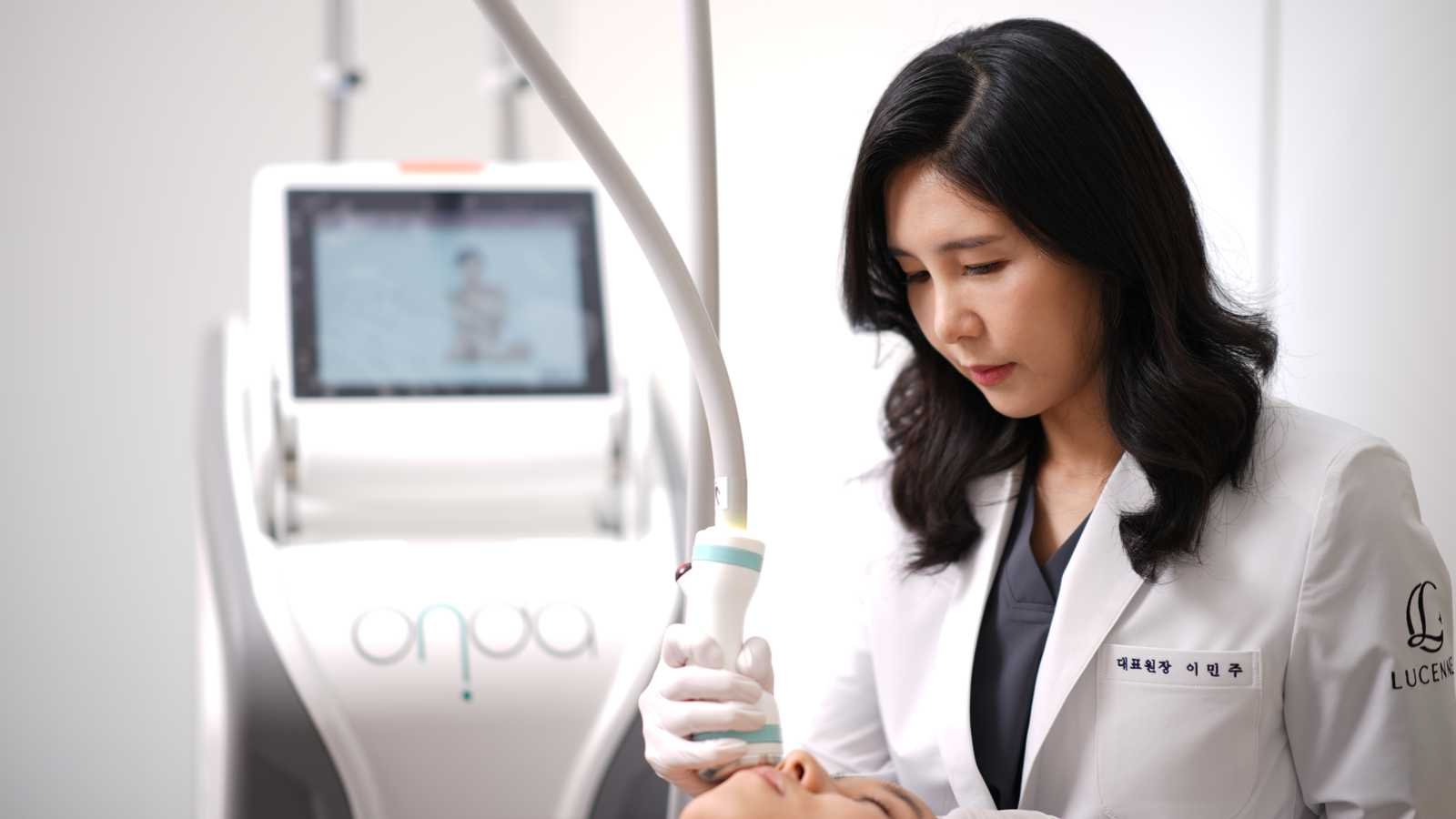
Gangnam Anti-Aging Treatment: Preparing for a Consultation
A consultation is the place to connect your goals with a specific treatment proposal. Lucenne clinic emphasizes personal customization and a private setting, and offers one-on-one consultation with Medical Director Minju Lee, MD. Come prepared to explain what you would like to discuss and to share health information relevant to treatment. Clear communication helps the medical staff assess a proposal in the context of your individual circumstances.
Information to Share With the Doctor
Begin with the concern that matters most to you. You might want to discuss skin elasticity, facial definition, the shoulder line, or a particular area of body contour. Explain whether you are seeking information about a specific program or are unsure which approach might be relevant. It is also helpful to describe what you would prefer to preserve, such as the character of your facial expressions.
Share your medical history as it relates to the proposed care, including medications, allergies, previous aesthetic procedures, and any reactions you have experienced. These details give the doctor context for discussing suitability and potential risks. If you are considering an intravenous program or stem cell therapy, ask specifically how your health history affects the recommendation. You can also describe any practical constraints, such as recovery time or concerns about aftercare. Rather than arriving with a fixed assumption about which treatment you need, use the consultation to understand the available proposal and its limitations. The doctor can explain the intended role of a procedure; you can then decide whether that approach aligns with your priorities and comfort level.
Preparation is straightforward: know what you want to discuss, bring relevant health information, and be ready to ask questions. The consultation should connect those details to a specific proposal, including its purpose and risks.
Points to Consider Before Treatment
Every procedure deserves a discussion of its potential benefits and risks. The relevant considerations depend on the treatment itself and your health history, so ask the doctor for details specific to the proposed plan. Discuss what preparation and aftercare involve, whether follow-up is recommended, and which changes may take time depending on your individual condition. If a treatment is unfamiliar, ask for an explanation that distinguishes established uses from areas where evidence is less certain.
Consent is more meaningful when you understand what you are agreeing to. Ask the medical staff to explain the intended result without assuming it can be guaranteed, and find out what limitations apply. If a treatment combination is recommended, ask whether each component is necessary for your goal and what alternatives are available. For injected or intravenous treatments, discuss the substances involved and any relevant allergies or prior reactions. For any proposed stem cell intervention, ask about the nature of the cells or product and the evidence for the intended use. You can take time to consider the explanation and ask further questions before deciding. A personalized plan should reflect both the clinical discussion and your preferences.
Planning Your Visit
Consider writing down your questions before the appointment, especially if you want to compare facial lifting with contouring or discuss more than one area. Bring a list of medications and relevant past procedures, and be ready to explain any previous treatment reactions. If cost is important to your decision, ask for a clear explanation of the proposed plan and its pricing during the consultation. Pricing depends on the care being considered.
Lucenne clinic is located at 5F, Dongyang Building, 105 Bongeunsa-ro, Gangnam-gu, Seoul, Republic of Korea. For consultation inquiries, call +82-2-6952-3663. When arranging a visit, you can explain which concern you would like to discuss so the conversation starts with your priorities. The consultation is also an opportunity to ask about the private setting and what to expect before attending.
After the consultation, review the proposed procedures and make sure you understand the purpose of each one. Consider the expected course of care, possible risks, aftercare, and any alternatives discussed with the doctor. If you are uncertain about a recommendation, ask for clarification rather than relying on the name of a program. The most useful plan is one you understand and can make an informed decision about.




Frequently Asked Questions
Q.What kind of care does Lucenne clinic offer?
A.Lucenne clinic is a dermatology clinic offering customized lifting, facial and body contouring, and anti-aging programs.
Q.Who might consider a consultation?
A.A consultation may be useful for someone who wants to discuss skin elasticity, facial definition, the shoulder line, or body contours.
Q.What treatments are included in the facial contouring program?
A.The Faceline program uses botulinum toxin and skin boosters to address facial definition while keeping expressions natural.
Q.What should I prepare before my appointment?
A.Consider listing your main concerns, medications, allergies, and previous aesthetic treatments so you can discuss them with the medical staff.
Q.How can I contact Lucenne clinic about a consultation?
A.You can call Lucenne clinic to inquire about a consultation using the contact details above.
Clinic Information
| Clinic | Lucenne clinic |
|---|---|
| Specialty | Dermatology |
| Address | 5F, Dongyang Building, 105 Bongeunsa-ro, Gangnam-gu, Seoul, Republic of Korea |
| Phone | +82-2-6952-3663 |
| Website | https://en.lucenne.co.kr/ |
 Lucenne clinic