
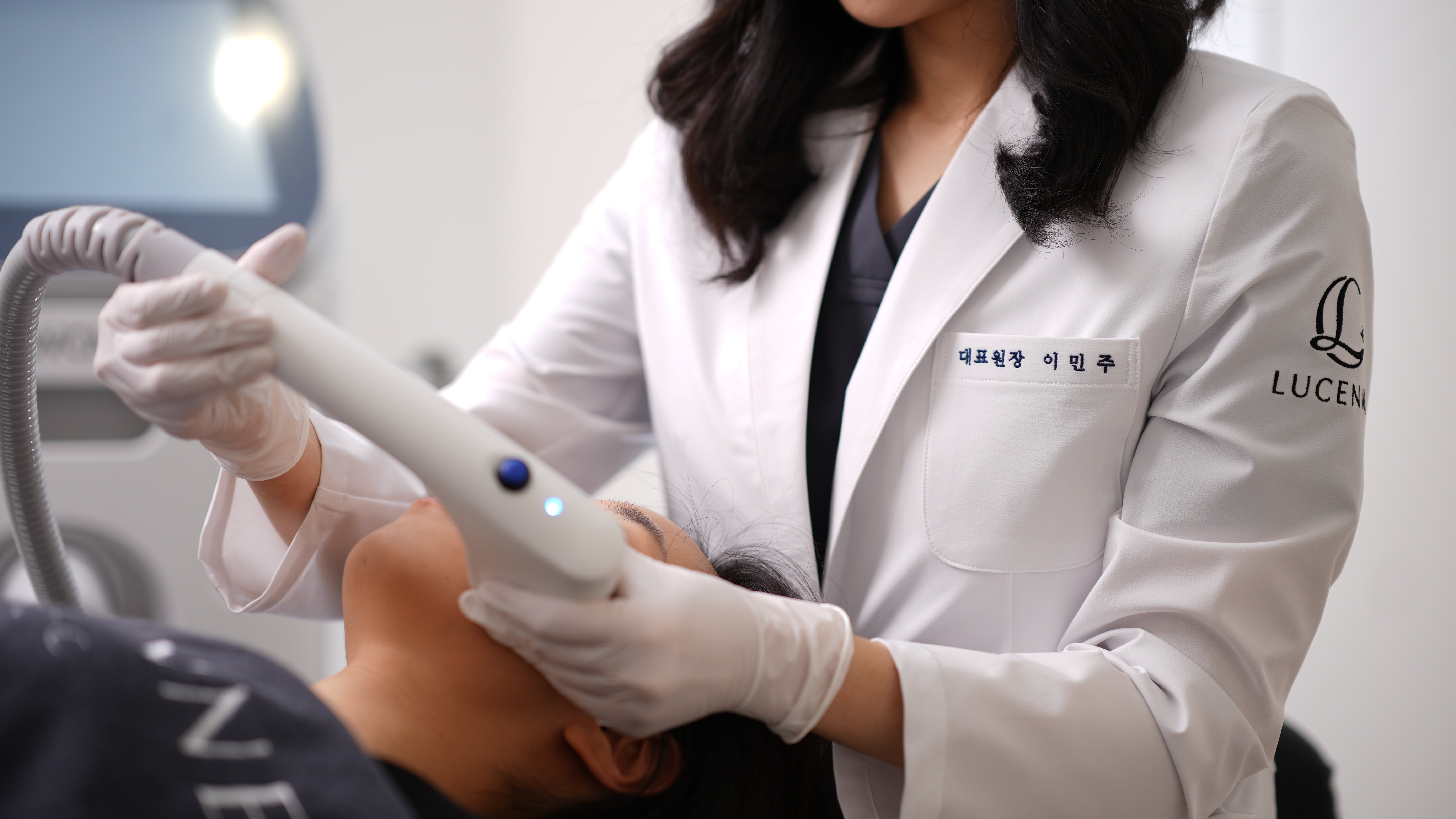
Gangnam Anti-Aging Clinic: A Personalized Approach
Anti-aging care is not a single procedure. Changes in skin firmness, fine lines, texture, and facial volume can call for different approaches, even when the overall goal is a more refreshed appearance. At Lucenne Clinic, consultations guide the selection of energy-based and injectable treatments according to individual skin and body concerns. The starting point is an assessment of the concern, rather than a predetermined treatment combination. This makes it easier to discuss what a procedure is intended to address and whether it fits the individual’s priorities.
Starting With a Consultation
A useful consultation begins with a clear description of what you would like to address. For example, skin laxity and uneven texture are different concerns and do not necessarily call for the same approach. Minju Lee, MD, founder and medical director of Lucenne Clinic, provides one-on-one consultations and customized treatment. The discussion can cover the areas that matter most to you, your previous treatments, and any relevant health information that may affect a treatment decision.
Before your appointment, consider whether your main concern is a change in firmness, fine lines, visible pores, or another feature. It can also help to think about how much recovery time you can accommodate and whether you have an upcoming event. Bring a record of medicines, supplements, allergies, and previous cosmetic procedures so the medical staff can take them into account. Clear expectations are as important as a clear description of the concern. Ask what each proposed treatment is designed to address, how it is performed, and what changes may take time depending on your individual condition. A consultation is also an opportunity to discuss whether a single treatment or a combination is appropriate. The aim is to make an informed decision, not to assume that every available procedure is necessary.
A personalized plan starts by identifying the specific change you want to address. A consultation helps connect that concern with an appropriate treatment approach and realistic expectations.
Understanding Skin Analysis
Lucenne Clinic uses EVE MUSE for three-dimensional, AI-assisted skin analysis. The system analyzes overall skin condition and provides a prediction of future aging to support tailored cosmetic planning. Analysis can add context to a consultation, but it should be considered alongside a discussion with the medical staff. A predicted change is not a certainty, and a treatment decision should reflect the individual’s current concerns, health information, and preferences.
Skin analysis can help organize a conversation around features that may be difficult to assess in isolation. For instance, a person focused on fine lines may also want to discuss texture, while someone concerned about contour may be interested in how skin elasticity and volume contribute to the overall appearance. These are related but distinct considerations. More information is useful when it leads to a clearer treatment plan. Ask the medical staff to explain which findings relate to your goals and how those findings influence the recommended options. You can also ask what a proposed treatment can reasonably address and what it is not intended to change. This keeps the discussion grounded in the concerns you want to prioritize.
Choosing a Treatment Goal
Anti-aging treatment discussions often include firmness, fine lines, texture, and contour. These terms describe different aspects of appearance: firmness relates to how taut the skin looks and feels, while texture describes the character of its surface. Contour refers to the shape of an area, and volume relates to its fullness. Naming the feature that concerns you gives the medical staff a practical starting point for explaining the available options.
Lucenne Clinic offers customized lifting combinations tailored to skin elasticity, volume, and contour after consultation. A combination can include different approaches when appropriate, but more procedures do not automatically mean a better fit. Ask why each proposed step is included and how the steps relate to your stated goals. If your priority is limited to one concern, say so; a focused discussion can help keep the plan aligned with that priority.
It is also helpful to distinguish between a treatment’s intended effect and an individual outcome. Energy-based treatments are designed to target particular skin layers or concerns, but responses differ. Ask the medical staff to explain the expected course of treatment for your circumstances, including any preparation and aftercare. If a recommendation includes injectable care, discuss the proposed injection separately so you understand its purpose within the overall plan.
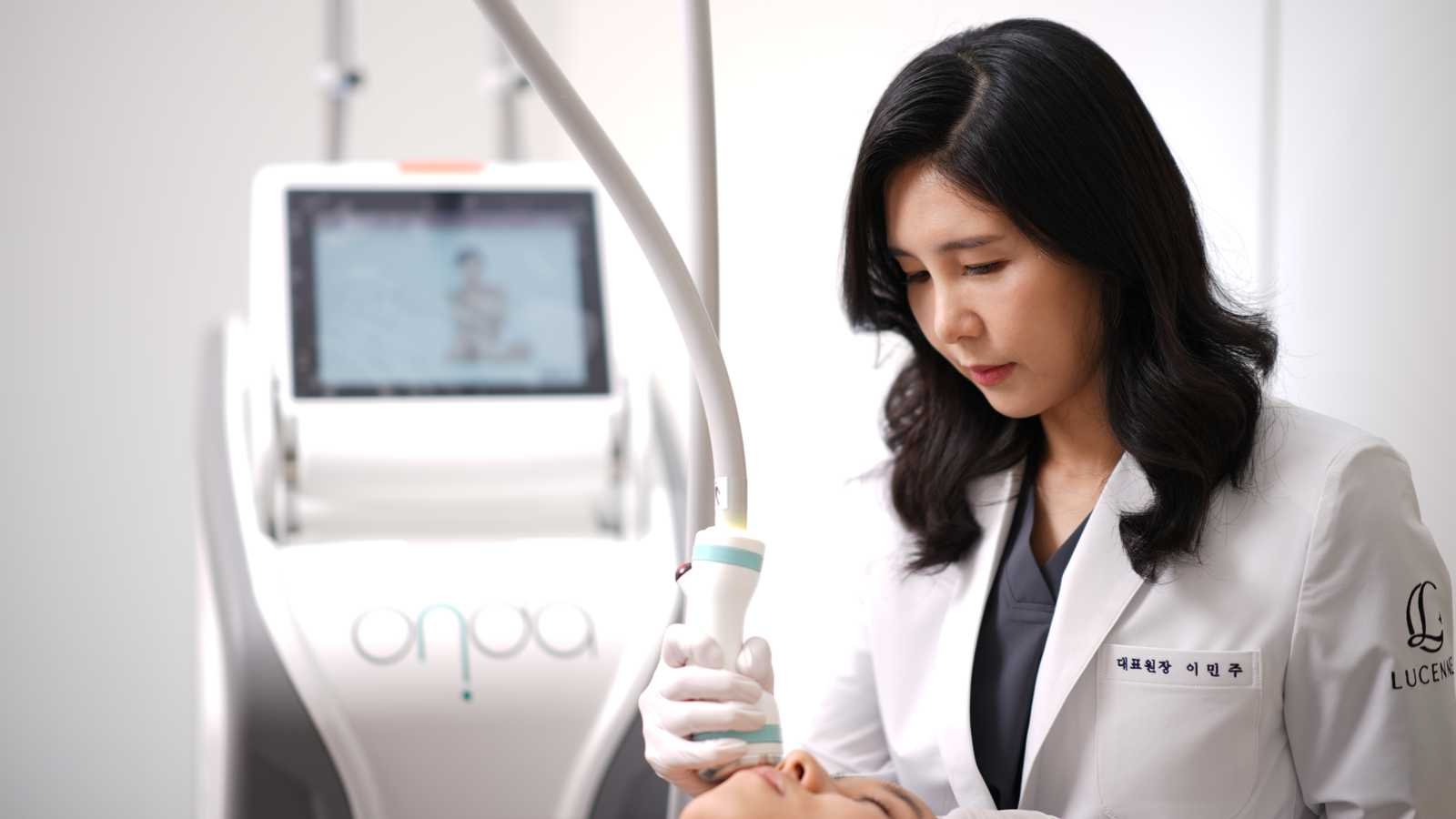
Gangnam Anti-Aging Clinic: Energy-Based Treatment Options
Energy-based treatments use different technologies to address concerns such as laxity, fine lines, and texture. Lucenne Clinic offers focused ultrasound, radiofrequency, microwave, and microneedling radiofrequency options. These approaches differ in how energy is delivered and in the concerns they are intended to address. Rather than choosing a device by name alone, consider the treatment area and the result you want to discuss. The medical staff can explain which options are appropriate after assessing your skin.
Focused Ultrasound for Firmness and Fine Lines
Ultherapy Prime uses high-intensity focused ultrasound to deliver energy to the deeper structural layer known as the superficial musculoaponeurotic system, or SMAS. Lucenne Clinic also offers Sofwave, which uses focused ultrasound in the mid-dermis and is intended to address fine lines and skin texture. Although both use ultrasound energy, the approaches target different depths. The choice depends on the area being treated and the concern identified during consultation.
Depth is one useful distinction, but it is not the only question to ask. Discuss whether your concern is primarily laxity, fine lines, or a combination, and ask the medical staff how the proposed treatment relates to it. You can also ask what the appointment involves, what sensations to expect, and what care is recommended afterward. Changes may take time depending on individual condition. An explanation of the expected timeline can help you plan without assuming that every technology produces the same response. If you have had a previous energy-based procedure, share the details during consultation. That information gives the medical staff context when assessing your current skin and discussing a suitable plan.
Focused ultrasound treatments can target different tissue depths, so a device name alone does not determine suitability. Start with the concern and ask how the proposed approach addresses it.
Radiofrequency, Microwave, and Microneedling
Radiofrequency treatments at Lucenne Clinic include XERF and Thermage FLX. XERF combines two radiofrequency frequencies and is designed to target three skin depths for customized tightening and fine-line care. Thermage FLX uses radiofrequency energy in the dermis and is intended to address skin tightening and fine lines. Onda Lifting uses microwave energy and is offered for lifting and tightening concerns. Each option should be considered in relation to the treatment area and individual assessment.
Potenza combines microneedling with radiofrequency and is used to address concerns including pores, scars, and redness. Double Tite combines radiofrequency energy with a skin booster injection and is intended to support hydration and firmness. These procedures illustrate why it is useful to look beyond a broad label such as “anti-aging”: a treatment focused on texture may serve a different purpose from one selected for laxity. Ask the medical staff how a recommended procedure works, which concern it targets, and whether it involves needles. You can also discuss expected recovery, aftercare, and the timing of any follow-up. If a combination is proposed, ask how the treatments complement one another and whether all steps need to be performed at the same appointment.
Comparing Treatment Approaches
A comparison is most useful when it connects a technology to its intended purpose. The table below summarizes selected options available at Lucenne Clinic; it is not a recommendation for a particular person. Skin condition, treatment history, and the area of concern all matter when choosing an approach. A consultation can clarify whether one of these options, a different service, or a combination is suitable.
Different technologies can address overlapping concerns, but overlap does not make them interchangeable. Fine lines, for example, may be part of a wider discussion about texture or firmness. Ask which feature is being prioritized and why the proposed treatment is appropriate for that feature. The medical staff can also explain whether a procedure is intended to complement another part of the plan.
| Treatment | Technology | Concerns addressed |
|---|---|---|
| Ultherapy Prime | Focused ultrasound | Skin laxity |
| Sofwave | Focused ultrasound | Fine lines and skin texture |
| XERF | Radiofrequency | Skin tightening and fine lines |
| Thermage FLX | Radiofrequency | Skin tightening and fine lines |
| Potenza | Microneedling radiofrequency | Pores, scars, and redness |
| Double Tite | Radiofrequency and skin booster injection | Hydration and firmness |
When reviewing these options, ask about the intended treatment area as well as the technology. A procedure selected for facial skin may be discussed differently from one selected for a body concern. It is also reasonable to ask whether treatment is appropriate now or whether another concern should be addressed first. The most useful comparison is the one tied to your own assessment and priorities. Cost, appointment planning, and any recommended care can be discussed as part of that decision.
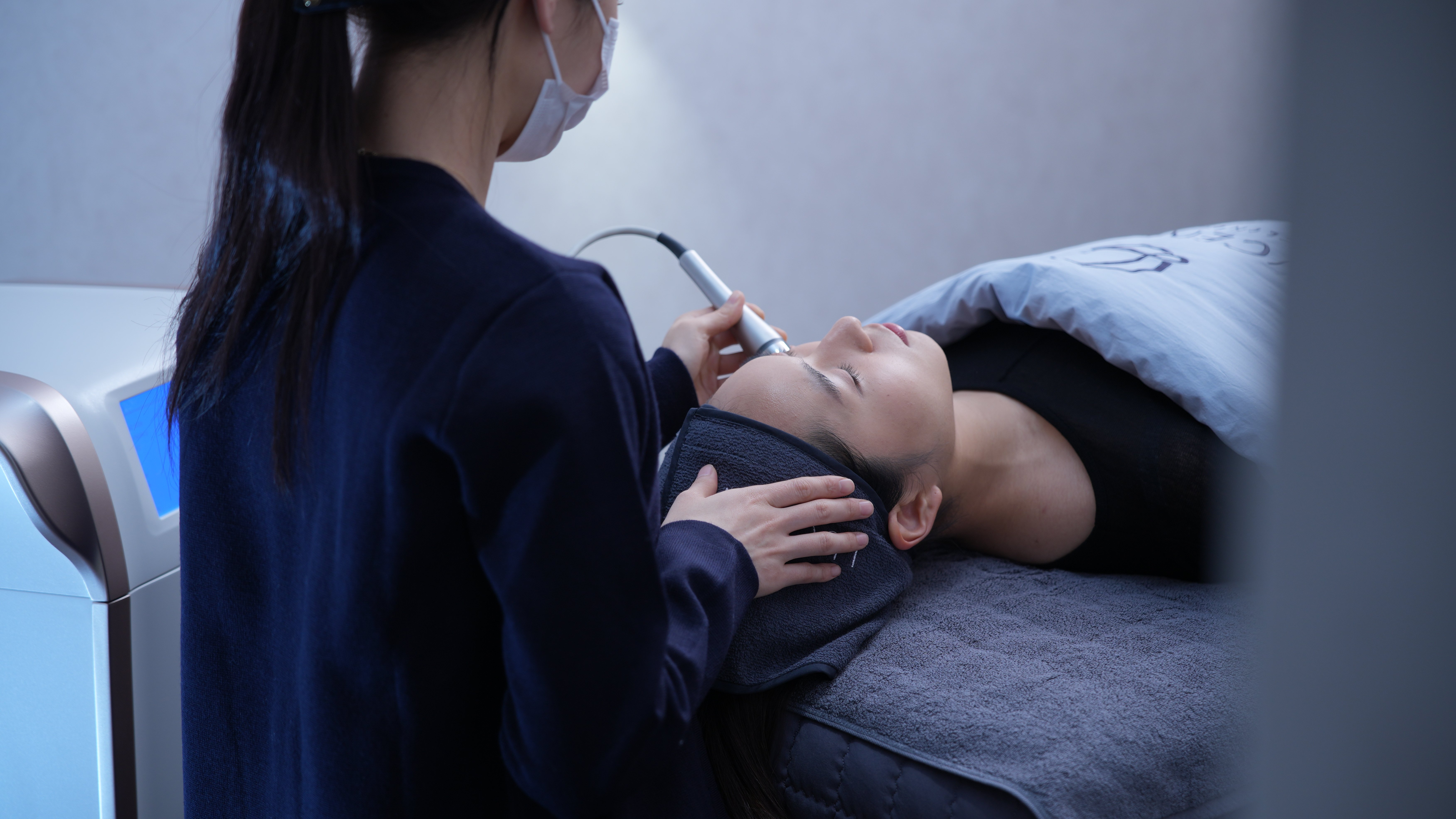
Gangnam Anti-Aging Clinic: Planning Your Visit and Aftercare
A considered treatment plan includes more than the procedure itself. Preparation, comfort, and aftercare all deserve attention during consultation. Lucenne Clinic provides supportive care technologies alongside its energy-based and injectable treatments, and the medical staff can explain which services are relevant to an individual plan. Before proceeding, discuss your health history, previous procedures, and the practical details of your appointment. This helps you understand both the proposed treatment and your responsibilities afterward.
Points to Consider Before Treatment
Tell the medical staff about skin irritation, allergies, medicines, supplements, and previous cosmetic treatments. These details can affect the assessment and the discussion of appropriate care. Ask about the expected sensations during the procedure, possible reactions, and any activities or products you should avoid afterward. Individual suitability and treatment responses cannot be determined from a device description alone. The medical staff can explain considerations specific to the proposed procedure.
Some treatments can cause temporary reactions such as redness, swelling, or tenderness; procedures involving needles can also cause bruising. The nature and duration of a reaction depend on the treatment and the individual. Ask what is expected, how to care for the treated area, and when to contact the clinic if you are concerned. If you have travel plans or an important event, mention them before scheduling so you can discuss timing. Do not assume that a treatment described as comfortable will feel the same for everyone. Equally, avoid assuming that immediate appearance predicts the final outcome: changes may take time depending on individual condition. A clear conversation about these points supports a more informed choice.
Preparation and aftercare are part of a treatment decision, not an afterthought. Share your health and treatment history, and ask what to expect for the specific procedure being considered.
Supportive Skin Care
Lucenne Clinic offers LDM, a dual-ultrasound treatment used for hydration, skin-barrier care, and soothing irritation. Cryocell combines cooling and microcurrents and is used to soothe skin and address redness and swelling. Biolight 3 uses multi-wavelength light and is offered for concerns including acne and skin soothing. These services have different purposes, so their role should be discussed in the context of your skin and any planned procedure.
Supportive care is not a substitute for understanding the main treatment. If a service is recommended before or after an energy-based procedure, ask what it is intended to do and whether it is appropriate for your skin at that time. For example, a discussion about hydration is different from a discussion about reducing the appearance of redness. Lucenne Clinic also offers Sonicool, a system that combines cleansing, heating, cooling, and microcurrent functions. The medical staff can explain how a particular service fits into the proposed plan. At home, follow the individualized instructions given after treatment and contact the clinic if you have questions about your recovery. Avoid adding products or treatments to your routine without first discussing them when your skin is recovering.
Making a Practical Appointment Plan
Lucenne Clinic is open on Monday, Tuesday, Thursday, and Friday from 10:00 to 20:00; on Wednesday from 14:00 to 20:00; and on Saturday from 10:00 to 15:00. The lunch break is from 13:00 to 14:00. When arranging a visit, consider whether you want to discuss a particular treatment or begin with a broader assessment. Sharing your main concern in advance can help you prepare your questions.
Treatment costs and the time needed for care depend on the proposed plan. During consultation, ask for an explanation of the recommended procedures, their respective costs, and any preparation or follow-up involved. If more than one option is discussed, ask how the options differ in purpose and what each would require of you. This makes it easier to choose a plan that fits both your priorities and your schedule.
For the appointment itself, bring relevant details of your medical and cosmetic treatment history. Write down questions about the treatment area, expected changes, possible reactions, and aftercare so you can refer to them during the discussion. A well-prepared consultation gives you space to compare options without rushing the decision. If anything about the proposed plan is unclear, ask the medical staff to explain it before you proceed.




Frequently Asked Questions
Q.What kind of place is Lucenne Clinic?
A.Lucenne Clinic provides dermatology care, including customized energy-based and injectable treatments for skin and body concerns.
Q.Who might consider a consultation at Lucenne Clinic?
A.A consultation may suit someone concerned about skin firmness, fine lines, texture, or contour. The medical staff can assess the concern and discuss appropriate options.
Q.What anti-aging treatments does Lucenne Clinic offer?
A.Options include Ultherapy Prime and Sofwave focused ultrasound, XERF and Thermage FLX radiofrequency, and Potenza microneedling radiofrequency. Lucenne Clinic also offers Onda Lifting and Double Tite.
Q.What should I prepare before a consultation?
A.Consider your main skin concern and bring details of relevant medicines, allergies, and previous cosmetic treatments. You can also ask about treatment costs, preparation, and aftercare.
Q.Where is Lucenne Clinic, and how can I arrange a visit?
A.Lucenne Clinic is at 5F, Dongyang Building, 105 Bongeunsa-ro, Gangnam-gu, Seoul, Republic of Korea. For contact and reservations, call +82-2-6952-3663.
Clinic Information
| Clinic | Lucenne clinic |
|---|---|
| Specialty | Dermatology |
| Address | 5F, Dongyang Building, 105 Bongeunsa-ro, Gangnam-gu, Seoul, Republic of Korea |
| Phone | +82-2-6952-3663 |
| Website | https://en.lucenne.co.kr/ |
 Lucenne clinic