
Gangnam Skin Clinic: An Individual Approach to Skin Care
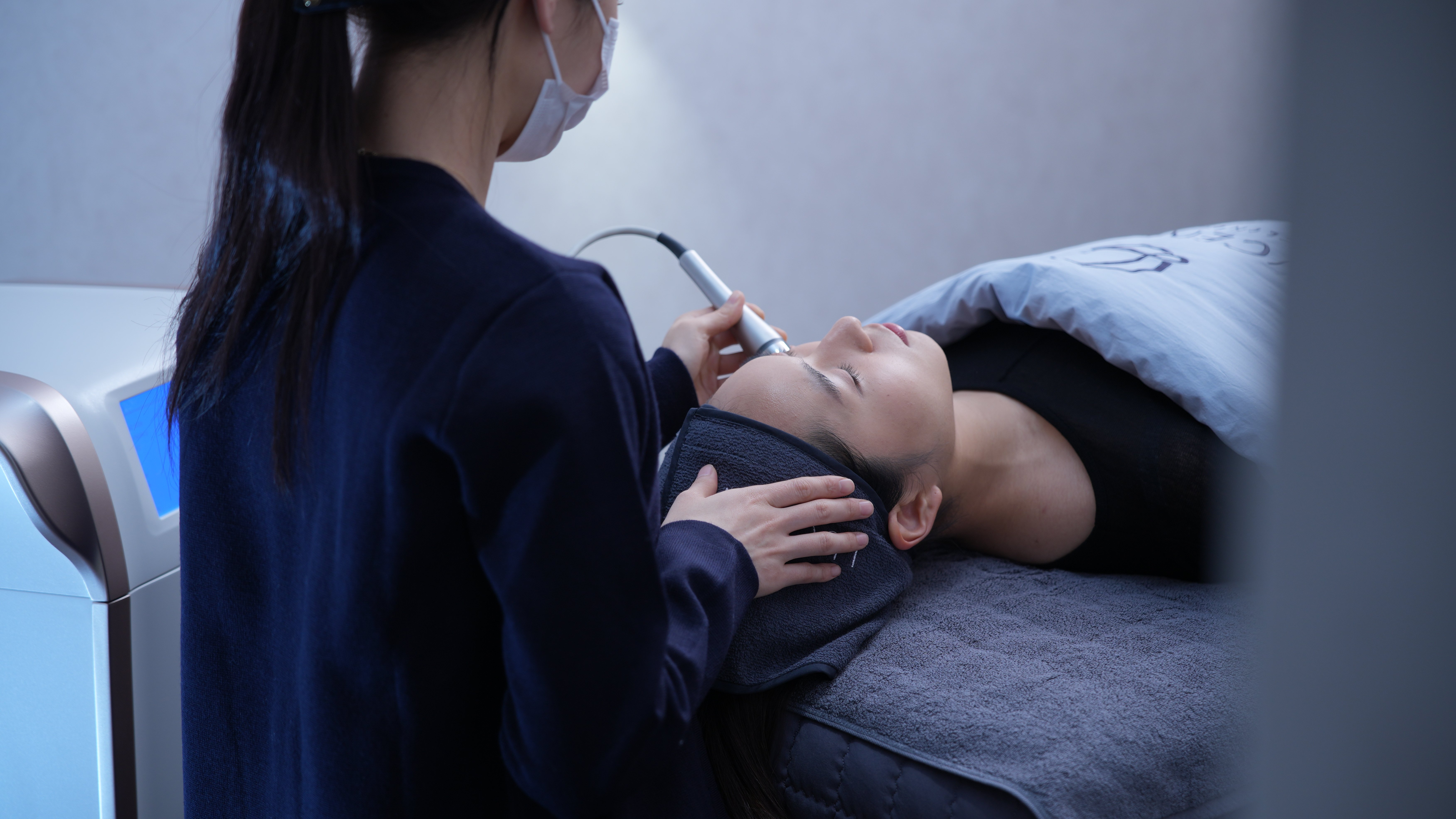
Skin care procedures address different concerns, from changes in firmness and fine lines to uneven texture and the appearance of pores. At Lucenne clinic, treatment planning begins with an assessment of the features relevant to the person’s goals. Our clinic emphasizes subtle refinement rather than over-treatment, with options for the face, skin, and body. A useful consultation considers not only the area of concern, but also skin condition, facial volume, and the type of change a person hopes to achieve.
Starting with a Skin Assessment
Skin elasticity, volume, and facial contours can all influence how a treatment is selected. For example, a person concerned about fine lines may need a different discussion from someone focused on skin texture or facial definition. Lucenne clinic offers customized lifting combinations following an evaluation of these features. Our clinic also uses the EVE MUSE skin analysis system, which uses three-dimensional imaging and artificial intelligence to assess overall skin condition and inform a tailored cosmetic plan.
Before a consultation, it helps to identify the concern you would most like to discuss and how long you have noticed it. Bring a list of current skin care products, medications, and previous aesthetic procedures if relevant. This information gives the medical staff useful context when considering treatment options and timing. You can also explain whether you prefer a gradual approach or have practical limits on recovery time. A treatment plan should reflect your individual condition and priorities, rather than relying on a device name alone. Ask the doctor how a proposed procedure works, what preparation it requires, and what changes are realistic for your skin. Changes may take time depending on individual condition, and a consultation is the appropriate place to discuss what to expect.
Good treatment planning starts with the concern, not the device. An assessment of skin condition, volume, and contours helps guide a more individualized discussion.
Choosing Between Treatment Approaches
Energy-based treatments and injectable treatments work in different ways. Ultrasound and radiofrequency devices deliver energy to selected layers of tissue, while injectable treatments involve placing a product into the skin or other targeted tissue. Microneedling radiofrequency combines fine needles with radiofrequency energy. Lucenne clinic offers these approaches as part of its skin and contour programs, with the choice guided by the consultation. A combination may be discussed when concerns involve more than one feature, such as firmness and texture.
Each approach has its own preparation, treatment process, and recovery considerations. During the consultation, ask which area will be treated, how the treatment is intended to address your concern, and whether more than one session is recommended. It is also reasonable to ask how the doctor will assess progress and when a follow-up may be useful. More treatment is not automatically more appropriate. A focused plan can help keep the discussion centered on your goals and skin condition. If you have a history of sensitive skin, scarring, or reactions to prior procedures, share that information before deciding. The medical staff can explain whether the proposed approach needs to be adjusted and discuss alternatives where appropriate.
Facial and Body Programs
Lucenne clinic offers signature programs focused on facial contours, shoulder lines, and skin elasticity. The Faceline program uses botulinum toxin and skin boosters as part of a facial contour approach. The Off Shoulder program focuses on the line extending from the neck to the arms. A body contouring program addresses targeted fat and body volume. These programs have different aims, so the most useful starting point is to describe the area and appearance you want to discuss.
Our clinic also offers an anti-aging program that includes stem cell therapy, antioxidant and immune treatments, and intravenous programs. These options should be discussed separately from facial skin procedures because their purpose and treatment process differ. Ask the medical staff to explain the proposed treatment, its intended use, and the considerations relevant to your health. A program name alone does not establish whether a procedure is appropriate for you.
When comparing programs, consider whether your main priority is skin texture, facial definition, or a body area. That distinction helps keep the consultation practical and makes it easier to understand why a particular procedure has been suggested. You can request an explanation of each component before agreeing to a combination plan. The goal is an informed choice based on your concerns, not a fixed list of procedures.
Gangnam Skin Clinic: Ultrasound and Radiofrequency Options
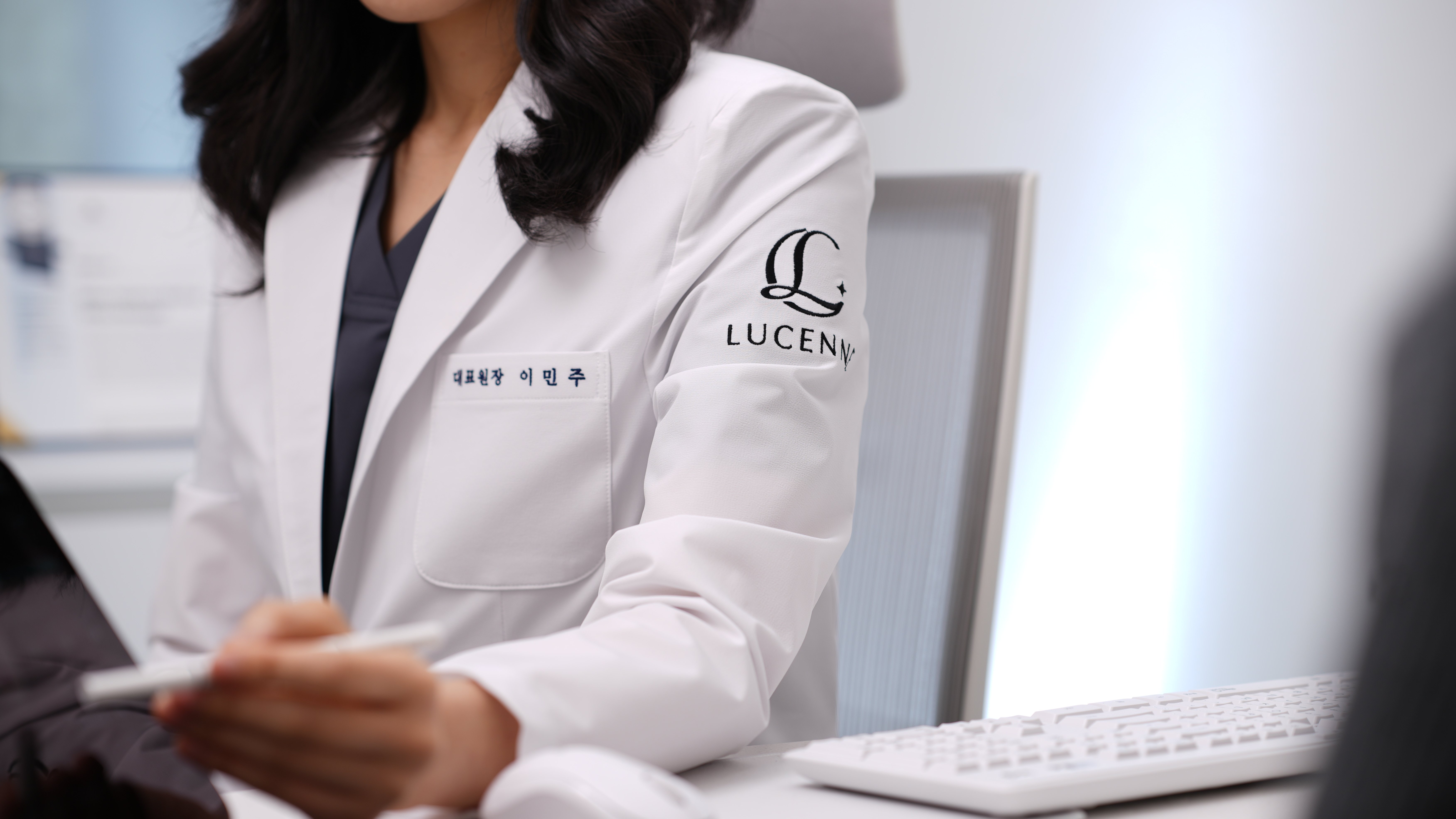
Ultrasound and radiofrequency are used in aesthetic care to deliver energy to tissue at different depths. Lucenne clinic offers devices with distinct treatment approaches, so a discussion of the target area and skin condition is important when comparing them. Some options focus on firmness and fine lines; others address texture, pores, or scars. The medical staff can explain the role of each device in a proposed plan, including the expected treatment process and recovery considerations.
Ultrasound Treatments for Firmness and Texture
Ultherapy Prime uses high-intensity focused ultrasound with imaging to target deeper tissue, including the superficial muscular aponeurotic system, or SMAS layer. Sofwave uses focused ultrasound aimed at the mid-dermis and is offered for concerns such as fine lines and skin texture. Although both use ultrasound, their treatment targets differ. The appropriate choice depends on the area being assessed and the treatment goals discussed with the medical staff.
It can be helpful to ask how the depth of treatment relates to your particular concern. A procedure directed at deeper tissue is not interchangeable with one intended for a different skin layer. The doctor can explain which features are being assessed and how the proposed treatment fits into your broader plan. Comfort during an energy-based procedure varies by person and treatment, so ask what to expect during the session and what aftercare is recommended. Results are individual, and visible changes may take time. If you are considering a combination of treatments, ask whether each procedure will be performed on the same day or scheduled separately, and why that sequence is being proposed.
Ultrasound devices differ in the tissue layers they target. The choice should follow an assessment of the concern and a clear discussion of what the procedure is intended to address.
Radiofrequency and Microneedling Radiofrequency
Radiofrequency treatments offered at Lucenne clinic include Thermage FLX and XERF. Thermage FLX uses radiofrequency energy in the dermis and is offered for skin tightening and fine lines. XERF combines radiofrequency frequencies to target different skin depths and is used for customized tightening and wrinkle care. These options are discussed in relation to the area being treated and the condition of the skin.
Potenza combines microneedling with radiofrequency and is offered for concerns including pores, scars, and redness. Double Tite combines radiofrequency with skin booster injections as part of an approach to hydration and firmness. Because these procedures differ in how energy or injections are delivered, ask the medical staff about the process rather than assuming that all radiofrequency treatments involve the same steps. Questions about skin sensitivity, preparation, and aftercare are particularly useful when a procedure involves needles. If you use active skin care products or have recently had another procedure, mention this during your assessment. The doctor can advise on any adjustments appropriate to your treatment plan.
Comparing the Available Devices
The following overview shows how selected devices are used at Lucenne clinic. It is a starting point for discussion rather than a recommendation for a particular person. Treatment selection depends on the area of concern, the assessment, and the doctor’s advice.
| Device | Approach | Concerns discussed |
|---|---|---|
| Ultherapy Prime | Focused ultrasound with imaging | Skin laxity and deeper tissue |
| Sofwave | Focused ultrasound targeting the mid-dermis | Fine lines and skin texture |
| Thermage FLX | Radiofrequency | Skin firmness and fine lines |
| XERF | Radiofrequency targeting different skin depths | Skin tightening and wrinkles |
| Potenza | Microneedling radiofrequency | Pores, scars, and redness |
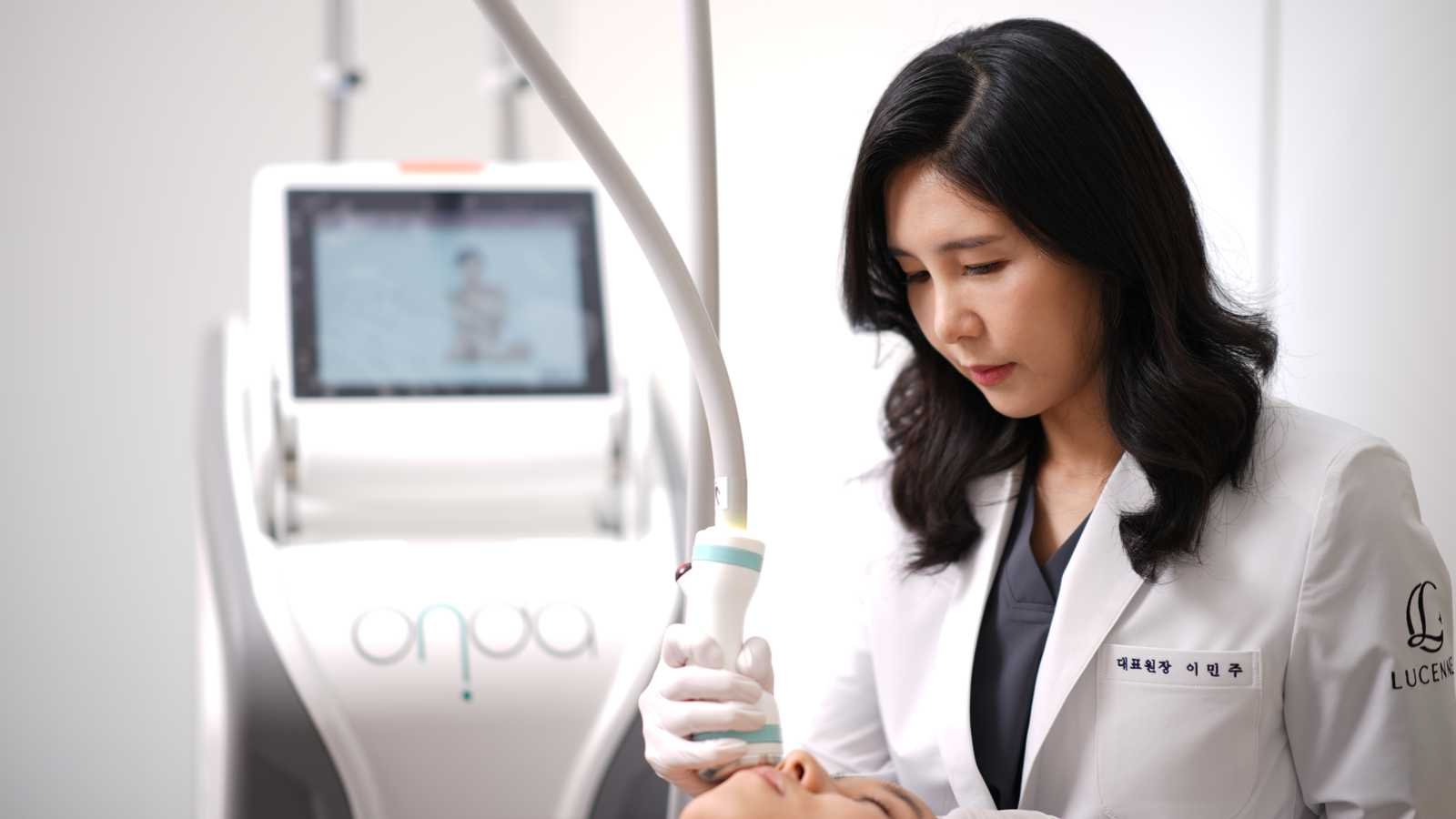
Lucenne clinic also offers Onda lifting, which uses microwave energy as part of a treatment approach to skin and targeted fat. Its treatment mechanism differs from the ultrasound and radiofrequency options above. If you are comparing devices, ask how each one relates to your specific concern and whether the proposed treatment is intended for skin, underlying tissue, or both. The device is only one part of the decision; the treatment area and your medical history matter as well.
Before proceeding, ask about the expected sensations, potential reactions, and any activity or skin care restrictions afterward. Redness, swelling, and other reactions can depend on the procedure and the individual. The medical staff can explain which effects are relevant to your plan and when to contact our clinic with concerns. Discussing these points before treatment supports an informed decision.
Gangnam Skin Clinic: Preparation and Aftercare
Preparation and aftercare are part of a thoughtful skin care plan. The steps depend on whether the procedure uses energy, needles, injections, or supportive skin care techniques. At Lucenne clinic, the consultation is an opportunity to discuss your health history, current products, and practical questions about the treatment day. Ask for instructions specific to your procedure rather than applying general advice to every treatment.
What to Discuss Before Treatment
Tell the medical staff about relevant medical conditions, allergies, medications, and previous reactions to procedures. Mention any recent treatments in the same area and any current irritation or broken skin. This information can help the doctor assess whether the planned procedure is appropriate and whether its timing needs adjustment. It is also useful to explain your priorities clearly, including the degree of change you are seeking and any concerns about recovery.
Ask the doctor to explain the procedure’s intended benefits, possible risks, and alternatives before you decide. For injectable treatments, you can ask which product is proposed and where it will be placed. For energy-based procedures, ask which areas will be treated and what sensations are commonly experienced. If a combination plan is suggested, request an explanation of the role of each component. Lucenne clinic offers handheld ultrasound imaging that can be used to visualize underlying anatomy in real time. Imaging can inform treatment planning, but it does not eliminate the need to discuss risks and suitability. Make sure you understand the plan and have had your questions answered before treatment begins.
A useful consultation covers your health history as well as your aesthetic goals. Understanding the procedure, its risks, and the aftercare plan helps you make an informed choice.
Supportive Skin Care and Recovery
Lucenne clinic offers supportive care options alongside its aesthetic treatments. LDM uses dual ultrasound and is offered for hydration, skin barrier care, and calming irritation. Cryocell combines cooling technology and microcurrents and is offered for care related to redness and swelling. The medical staff can discuss whether either option is relevant to your skin condition or treatment plan.
Other equipment includes Sonicool, which combines cleansing, heating, cooling, and microcurrent functions, and Biolight 3, a multi-wavelength LED device used in skin care. These approaches have different purposes from lifting or injectable procedures, so ask what role a supportive treatment would serve in your plan. After any procedure, follow the individualized instructions given by the medical staff. Depending on the treatment, those instructions may address cleansing, skin care products, sun protection, and when to resume usual activities. If you notice a reaction that concerns you, contact our clinic for guidance. Avoid adding new products or arranging another procedure without first discussing how they fit with your recovery.
Planning Your Visit
A consultation is a useful time to clarify the treatment sequence, expected recovery, and any follow-up. If you are considering more than one procedure, ask which concern each treatment addresses and whether the procedures should be spaced apart. You can also discuss costs before deciding; exact pricing depends on the proposed treatment plan. Bring your questions with you so the discussion covers both your goals and practical needs.
Lucenne clinic is located at 5F, Dongyang Building, 105 Bongeunsa-ro, Gangnam-gu, Seoul, Republic of Korea. For inquiries, call +82-2-6952-3663. When arranging a visit, it can help to describe the concern you want to discuss so you can prepare the relevant treatment and medical history for your consultation.
Keep a record of any instructions you receive and ask how to reach the medical staff if questions arise afterward. Skin needs and treatment responses differ, so a plan may need to be reviewed over time. Clear communication before and after a procedure is an important part of individualized care.




Frequently Asked Questions
Q.What services does Lucenne clinic offer?
A.Lucenne clinic provides dermatology and aesthetic services, including lifting, facial contour care, body contouring, and supportive skin care.
Q.Who might consider a consultation at Lucenne clinic?
A.A consultation may be useful for someone who wants to discuss skin firmness, fine lines, texture, pores, scars, or facial contours.
Q.What skin treatments are available?
A.Options include focused ultrasound, radiofrequency, microneedling radiofrequency, and injectable treatments. The medical staff assess skin condition and treatment goals when discussing a plan.
Q.What should I prepare before a consultation?
A.Bring information about relevant medical conditions, allergies, medications, skin care products, and previous procedures. It also helps to identify the concern you most want to address.
Q.How can I contact Lucenne clinic?
A.Call +82-2-6952-3663 for inquiries. Lucenne clinic is at 5F, Dongyang Building, 105 Bongeunsa-ro, Gangnam-gu, Seoul, Republic of Korea.
Clinic Information
| Clinic | Lucenne clinic |
|---|---|
| Specialty | Dermatology |
| Address | 5F, Dongyang Building, 105 Bongeunsa-ro, Gangnam-gu, Seoul, Republic of Korea |
| Phone | +82-2-6952-3663 |
| Website | https://en.lucenne.co.kr/ |
 Lucenne clinic