
Gangnam Skin Booster: Understanding Skin Quality
Skin quality is shaped by more than the surface you see in the mirror. Hydration, the skin barrier, collagen, and the distribution of supporting tissue all contribute to how skin looks and feels. A skin booster is intended to address aspects of skin quality rather than substantially change facial contours. The term covers different products and treatment approaches, so it is useful to ask what a proposed treatment contains and what it is intended to do. At Lucenne clinic, the consultation is an opportunity to connect those details to your concerns.
The Role of Hydration and the Skin Barrier
The outermost layer of skin helps retain water and protect against environmental stressors. When this barrier is disrupted, skin can feel dry, tight, or rough. Hydration is also influenced by substances within the skin that attract and retain water, including hyaluronic acid. Skin boosters intended to support hydration work through a different approach from a daily moisturizer, which is applied to the surface. Understanding that distinction can help you discuss whether an in-clinic treatment or a change in your routine is appropriate.
Dryness and visible texture do not always have the same cause. Weather, skin care habits, irritation, and underlying skin conditions can all influence how the skin feels. For that reason, describing when dryness occurs and which products cause discomfort can be more useful than simply asking for a hydration treatment. The doctor can assess your concerns and explain whether a skin booster is appropriate for your skin. A treatment plan should also take account of the skin barrier: irritated or actively inflamed skin may need attention before an elective procedure. Skin boosters do not replace gentle cleansing, suitable moisturization, or sun protection. Instead, those habits remain part of a broader approach to maintaining skin health.
Skin hydration and skin texture are related, but they are not identical concerns. A useful consultation starts by identifying what is causing the change you notice, rather than choosing a treatment by name alone.
Collagen and Skin Structure
Collagen is a structural protein that helps give skin support. Its amount and organization change over time, and factors such as sun exposure can affect the skin’s appearance. Some treatments are designed to encourage collagen production, while others primarily address hydration. Lucenne clinic offers both skin boosters and collagen boosters. These categories should not be assumed to work in exactly the same way: the ingredients, method of administration, and intended effects depend on the treatment selected.
If your main concern is a change in firmness or fine texture, ask the doctor how the proposed treatment is intended to address it. The answer should distinguish between an immediate effect from a product and changes associated with the skin’s response over time. Changes may take time depending on individual condition, and the degree of change cannot be assumed in advance. It is also worth discussing what a treatment cannot reasonably address. A skin-quality treatment has a different purpose from a procedure intended to alter facial volume or contours. By defining your priorities before treatment, you can have a more focused discussion about whether a skin booster, a collagen booster, or another approach fits your goals.
Skin Boosters and Facial Fillers
Skin boosters and facial fillers are not interchangeable terms. A skin booster generally focuses on qualities such as hydration or texture, while a filler is typically used to add volume or provide structural support. Some products may share ingredients, but their formulation, placement, and purpose can differ. Lucenne clinic offers skin boosters and full-face filler as separate services. The doctor can explain the proposed approach without assuming that a treatment intended for one concern will address every other concern.
Before choosing a procedure, describe the change you want to see in ordinary terms. For example, you might be concerned about roughness, a loss of volume, or a combination of both. Ask how the recommended treatment relates to that concern and what kind of change it is designed to produce. A clear treatment objective makes it easier to weigh the proposed approach against its practical requirements and risks. You can also ask whether a more conservative plan would be appropriate.
| Concern to discuss | Useful question for the doctor |
|---|---|
| Dryness or rough texture | Is hydration the main concern, or could irritation be contributing? |
| Changes in firmness | What is the proposed treatment intended to do? |
| Loss of facial volume | Would a skin-quality treatment address this concern? |
| More than one concern | Which concern should the treatment plan address first? |
These questions are a starting point, not a substitute for an assessment. Skin can look different under changing light, after a change in routine, or during a period of irritation. Bringing a concise description of your concerns helps the doctor understand what matters to you. At Lucenne clinic, one-on-one consultation supports a customized discussion rather than a standard recommendation for everyone. The aim is to understand the proposed treatment clearly before deciding whether to proceed.
Gangnam Skin Booster: How Treatment Approaches Differ
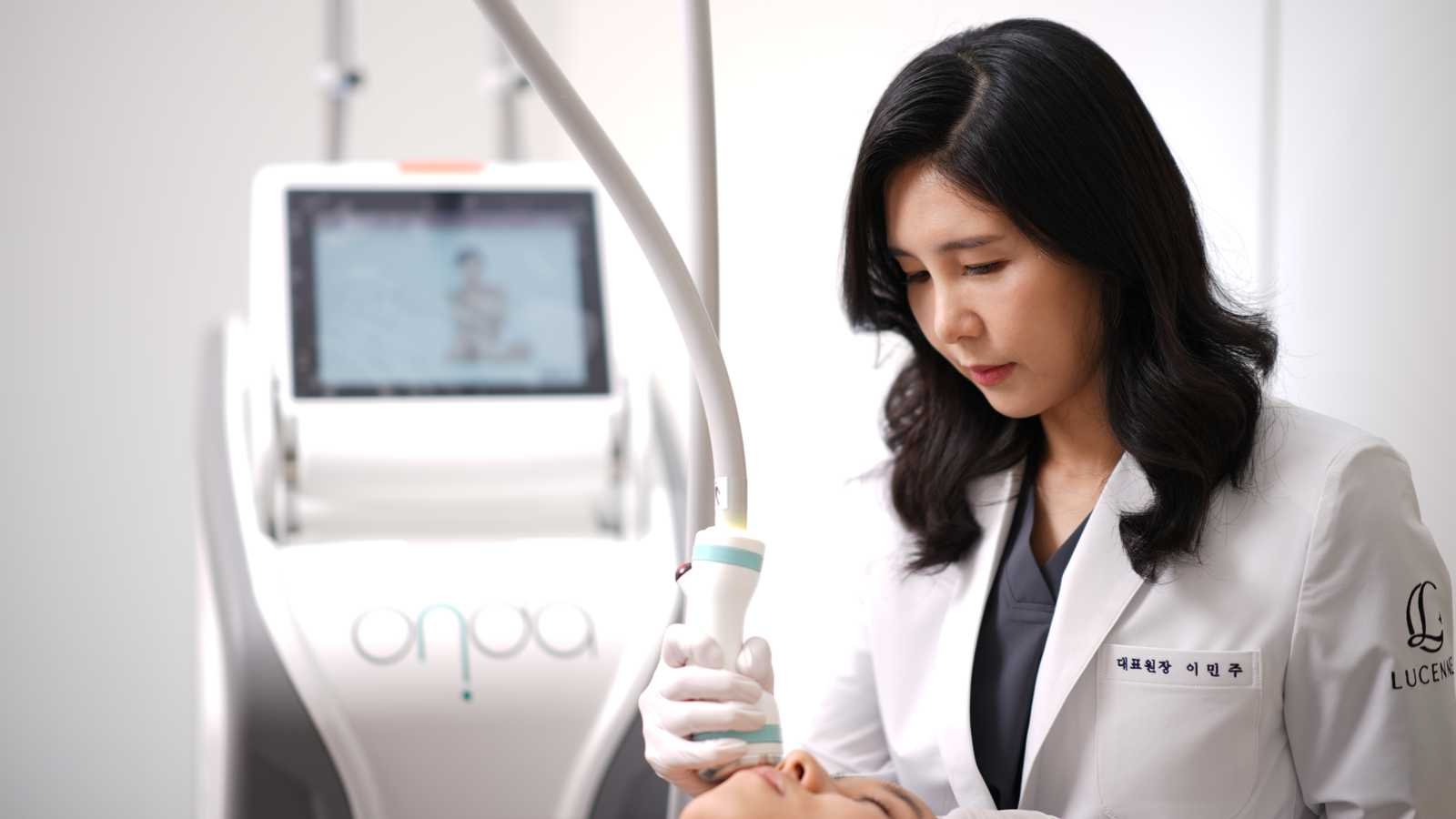
The science behind a skin booster depends on its formulation and how it is administered. Some products are designed to support hydration; others are intended to encourage changes in the skin’s supporting structure. Injectable approaches place a product into the skin, but technique and depth depend on the product and treatment plan. The name “skin booster” alone does not tell you precisely what is in a product or how it will work. Ask the doctor to explain those details in relation to your skin and treatment goals.
Ingredients and Intended Effects
Hyaluronic acid is a water-binding substance naturally present in skin. It is also used in some aesthetic products, although formulations differ in their properties and intended uses. Other products may be described as collagen boosters because they are intended to stimulate a response in the skin. These descriptions refer to different mechanisms; they do not establish that every product will have the same effect. Your doctor can explain the ingredients in the specific treatment being considered.
When discussing a product, ask what it contains, where it is intended to be placed, and what changes it is designed to support. It is also reasonable to ask whether the treatment is expected to focus mainly on hydration, texture, or another aspect of skin quality. Avoid judging a product solely by a broad category name or an image of someone else’s result. Skin condition, treatment technique, and individual response all matter. If you have a history of allergies or reactions to prior procedures, share that information before treatment. The doctor needs your medical and treatment history to assess whether a proposed product is suitable. A clear explanation of the product and its purpose also helps you make an informed decision.
Different skin boosters can have different ingredients and intended effects. Ask what the specific product is designed to do and how that goal relates to your own skin concerns.
What a Customized Consultation Covers
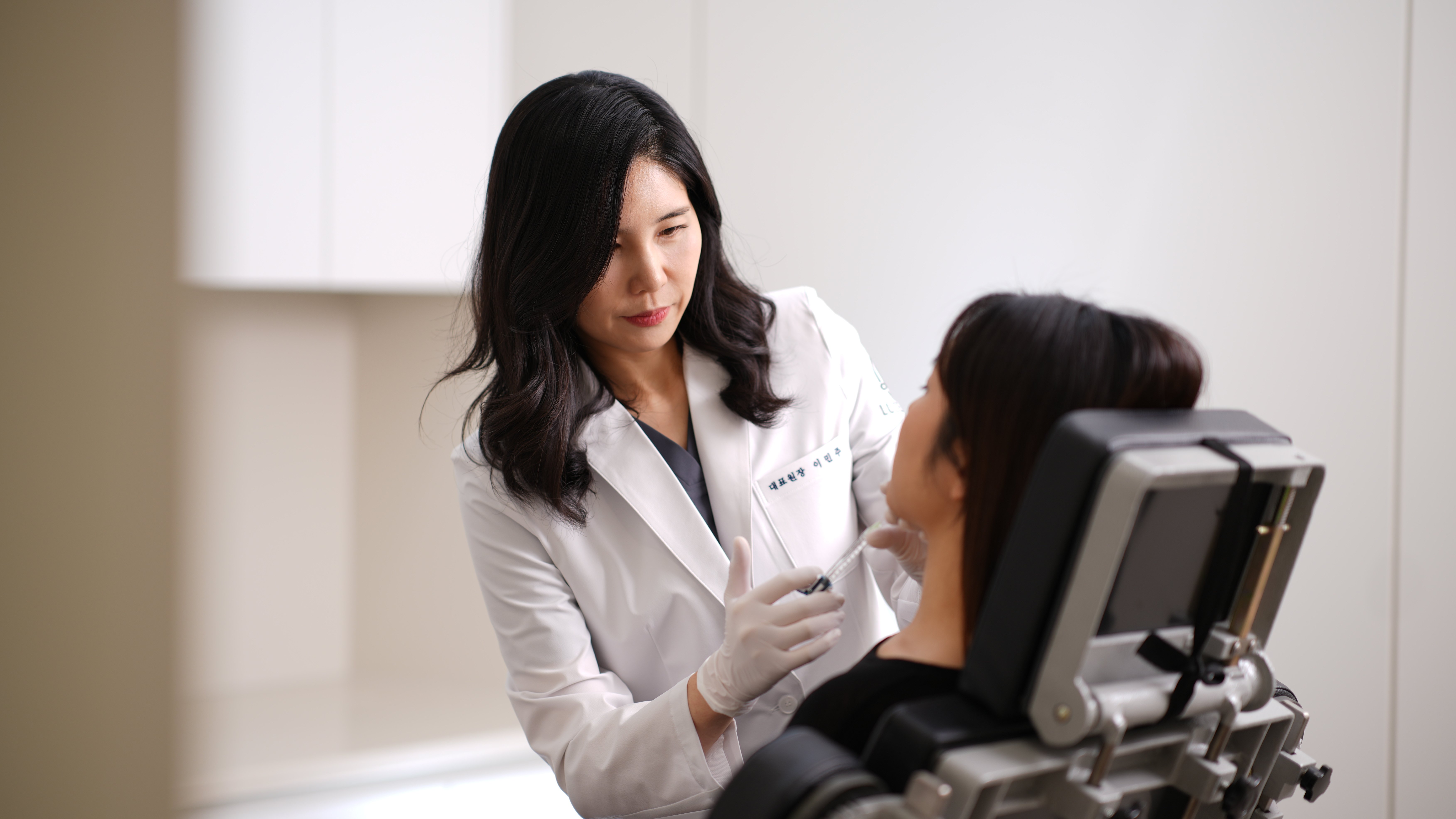
Lucenne clinic offers one-on-one consultations and customized treatment. Founder and medical director Minju Lee, MD, leads the clinic’s approach to care, which focuses on subtle refinement rather than over-treatment. A consultation gives you space to explain your concerns and ask how a proposed treatment fits your priorities. It is also the appropriate time to discuss your medical history, previous aesthetic procedures, and any current skin irritation that could affect treatment planning.
Prepare for the discussion by noting the concern that matters most to you and how long you have noticed it. Tell the doctor about current skin care products, medications, allergies, and previous reactions when relevant. If you have undergone an aesthetic procedure before, describe what was done and how your skin responded, if you know those details. You can also explain how much recovery time you can accommodate and whether you prefer a gradual, conservative approach. The doctor can then explain the proposed treatment, its intended benefits, its risks, and any alternatives. You do not need to decide on a procedure before you understand the plan. Asking questions is part of making a considered treatment decision.
Setting Realistic Expectations
A treatment goal should be specific enough to discuss and assess. “Improve hydration” or “address the appearance of rough texture” gives the doctor a clearer starting point than a broad request to improve everything at once. Results depend on the treatment selected and individual skin condition. Some changes may be subtle, and changes associated with the skin’s response may take time. The doctor can explain what to look for and when a follow-up discussion would be useful.
It is equally important to understand the limits of a treatment. A skin booster is not a substitute for managing an active skin condition, and a hydration-focused approach is not designed to produce the same kind of volume change as a filler. If you are considering more than one service, ask why each is recommended and how the procedures relate to your priorities. A plan centered on your main concern can be easier to understand and evaluate.
| Discussion point | What to clarify |
|---|---|
| Product | Its ingredients and intended purpose |
| Procedure | How the treatment is administered |
| Expected change | Which aspect of skin quality is being addressed |
| Recovery | What to expect and how to care for the skin afterward |
Use the consultation to understand the complete plan, not just the procedure name. Ask what the doctor will assess before treatment, what the treatment is intended to achieve, and what follow-up is appropriate. If your schedule or skin sensitivity makes recovery a particular concern, raise it before proceeding. An informed decision includes understanding both the possible benefits and the practical commitments involved. The treatment plan should make sense to you before you give consent.
Gangnam Skin Booster: Preparation and Aftercare
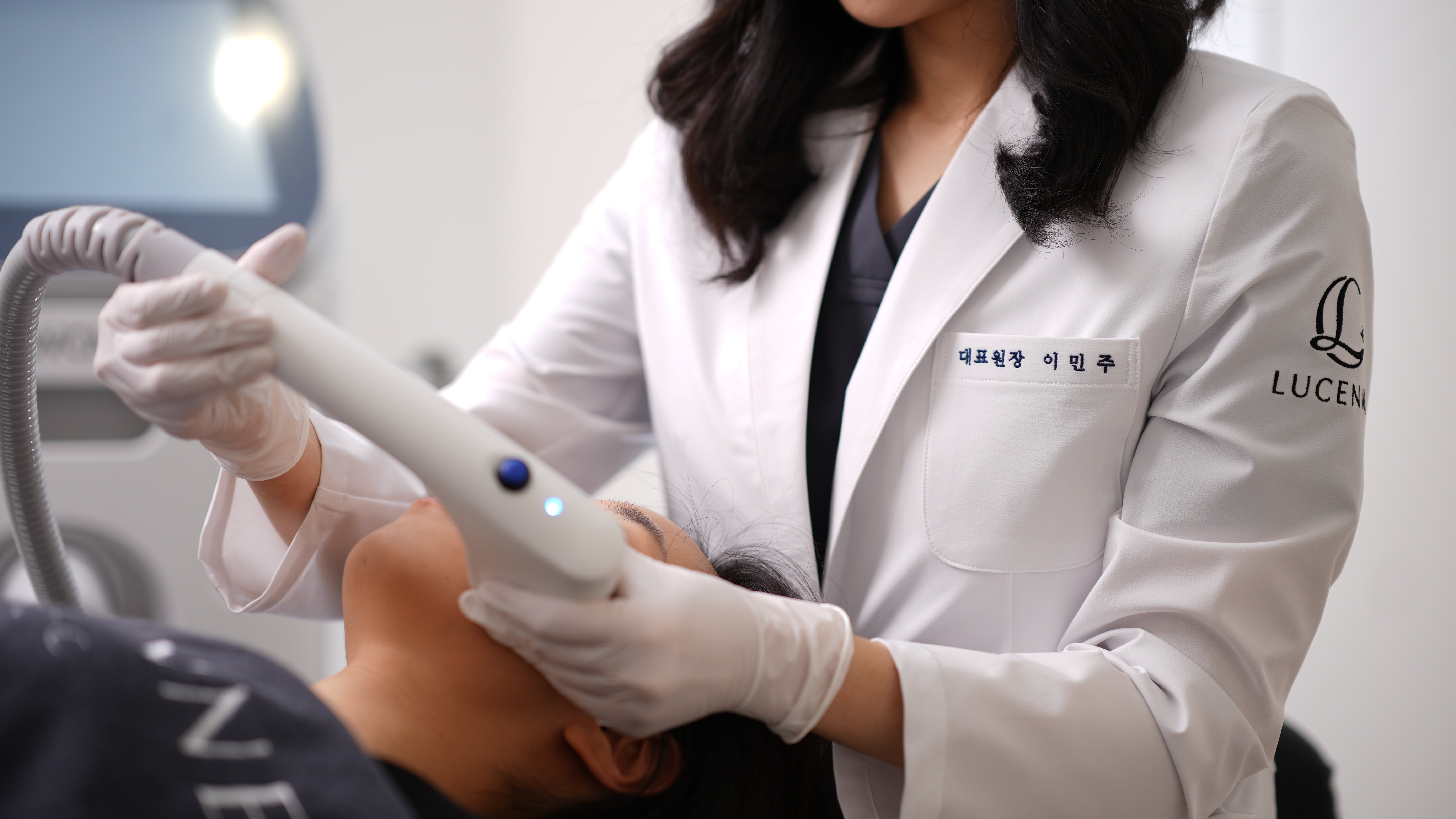
Preparation begins with an honest account of your skin and medical history. Current irritation, allergies, medications, and prior reactions can affect whether an elective treatment is appropriate. Aftercare depends on the specific product and procedure, so ask for instructions tailored to your treatment. Lucenne clinic’s medical staff can explain what to expect and when to contact the clinic. Keeping the discussion practical helps you plan around the procedure and recognize changes that need attention.
Before Your Appointment
Make a short list of your concerns and the questions you want answered. Include any history of sensitivity, infection, or reactions in the area you want treated, along with relevant medications and previous procedures. If your skin is currently inflamed or irritated, tell the medical staff before treatment. Do not stop prescribed medication on your own; discuss it with the prescribing clinician and the doctor planning your procedure. This information helps support a safer, more individualized assessment.
Think about your schedule as well as your treatment goal. Ask what visible changes might occur immediately afterward and whether any activities or skin care products should be avoided for a period of time. Instructions can differ according to the procedure, so a general online checklist cannot replace the advice given for your treatment. If cost is part of your decision, ask for the proposed plan and its cost before agreeing to it. You can also ask whether a follow-up visit is recommended and what it would involve. Understanding the plan in advance gives you an opportunity to consider the procedure without feeling rushed. If you are unsure about any aspect, ask the doctor to explain it in terms you understand.
Good preparation is straightforward: share relevant health information and make sure you understand the proposed procedure. The right aftercare advice is specific to the treatment you actually receive.
Points to Consider Before Treatment
Potential benefits should be considered alongside possible reactions. Depending on the procedure, temporary redness, tenderness, swelling, or bruising can occur. Injectable treatments also carry less common but potentially serious risks, including infection and injury to blood vessels. The doctor should explain the risks relevant to the proposed product and technique, as well as the signs that require prompt attention. If you develop severe pain, unusual skin color changes, or changes in vision after an injection, seek urgent medical care.
Tell the doctor about any allergies, prior complications, or skin conditions before deciding on treatment. Ask how common post-treatment reactions differ from signs that need medical assessment, and make sure you know how to contact the clinic with concerns. If you have an active infection or significant inflammation in the treatment area, the doctor may advise addressing it before an elective procedure. Individual circumstances matter, so avoid relying on another person’s experience as a guide to your own risk. A balanced discussion should cover why the treatment is recommended, what alternatives are available, and what may happen if you decide not to proceed. Consent is most meaningful when you understand those choices and have had your questions answered.
Caring for Your Skin Afterward
Follow the instructions given by the medical staff for your specific procedure. Ask when you can return to your usual skin care routine and whether you should temporarily avoid particular products or activities. Gentle care can help you avoid adding unnecessary irritation while the skin settles. If you notice a change that concerns you, contact the clinic rather than trying to diagnose it yourself. Keep any written instructions accessible so you can refer to them after your appointment.
Long-term skin care remains relevant after an aesthetic treatment. A gentle routine, appropriate moisturizer, and sun protection can support everyday skin health. If a product causes stinging or irritation, discuss it with the doctor rather than assuming it is suitable for use immediately after a procedure. Your care plan should reflect both your treatment and your skin’s response. Changes may take time depending on individual condition, so ask when it is reasonable to assess the treatment’s effects.
| Stage | Practical step |
|---|---|
| Before consultation | List your concerns, medications, allergies, and previous reactions. |
| During consultation | Ask about the product, intended effects, risks, and cost. |
| After treatment | Follow the medical staff’s instructions and report concerning changes. |
A follow-up discussion can help you review how your skin responded and whether your original concern has changed. It also gives you a chance to discuss any questions about your routine or future care. Lucenne clinic’s approach emphasizes customized treatment and subtle refinement. That makes a clear conversation about your priorities especially useful: the goal is to select care thoughtfully, with an understanding of what each procedure is intended to address.




Frequently Asked Questions
Q.What does Lucenne clinic offer?
A.Lucenne clinic is a dermatology clinic offering skin boosters and collagen boosters, among other aesthetic services. The clinic offers one-on-one consultations and customized treatment.
Q.Who might consider a skin booster?
A.Someone concerned about skin hydration or texture may wish to discuss a skin booster with the doctor. Suitability depends on the individual’s skin condition, medical history, and treatment goals.
Q.How does Lucenne clinic approach treatment planning?
A.Lucenne clinic offers one-on-one consultations and customized treatment, with an emphasis on subtle refinement rather than over-treatment. Minju Lee, MD, is the founder and medical director.
Q.What should I prepare before a consultation?
A.Bring a list of your main skin concerns, relevant medications, allergies, and previous treatment reactions. Ask about the proposed treatment, its risks, aftercare, and cost before deciding whether to proceed.
Q.Where is Lucenne clinic, and how can I contact it?
A.Lucenne clinic is at 5F, Dongyang Building, 105 Bongeunsa-ro, Gangnam-gu, Seoul, Republic of Korea. Call +82-2-6952-3663 to inquire about a consultation.
Clinic Information
| Clinic | Lucenne clinic |
|---|---|
| Specialty | Dermatology |
| Address | 5F, Dongyang Building, 105 Bongeunsa-ro, Gangnam-gu, Seoul, Republic of Korea |
| Phone | +82-2-6952-3663 |
| Website | https://en.lucenne.co.kr/ |
 Lucenne clinic