
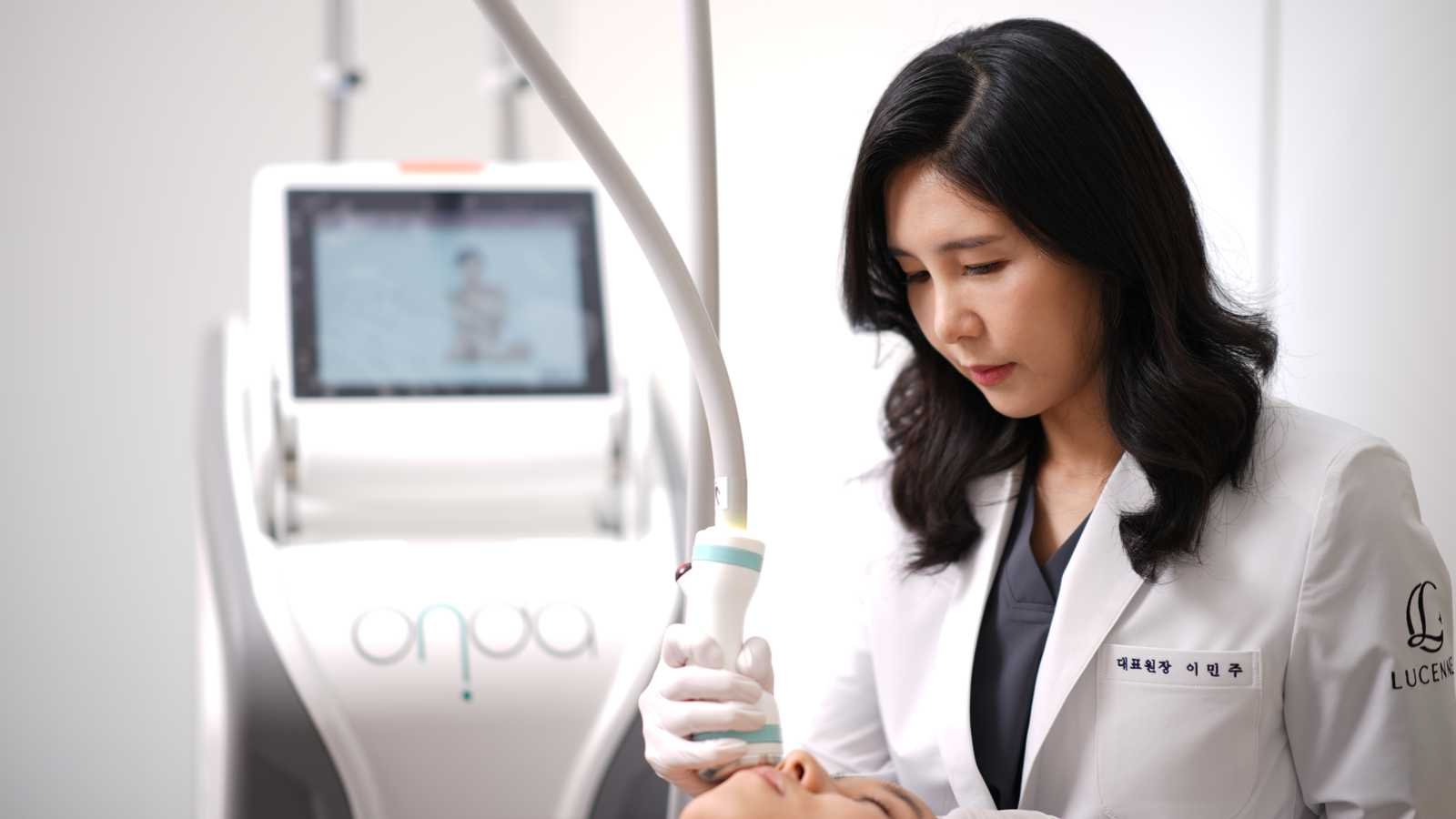
Gangnam Direct Doctor Consultation: What to Discuss
Aesthetic treatment begins with a clear understanding of what you want to address. At Lucenne clinic, the focus is on personalized choices and subtle refinement, rather than over-treatment. The clinic offers programs that address facial contours, skin elasticity, shoulder lines, and body volume. A direct conversation with the doctor gives you an opportunity to describe your concerns and ask how a proposed approach relates to them. A treatment plan should reflect both your goals and the clinical considerations relevant to your health.
Start with your priorities
Before a consultation, consider which changes matter most to you. You might be concerned about facial definition, skin elasticity, or the appearance of your shoulder line. Describing the concern in your own words can be more useful than arriving with a procedure already selected. For example, explain whether you are seeking a subtle change or want to understand the options available. This gives the doctor a starting point for discussing the suitability of different approaches and helps keep the conversation focused on your individual priorities.
It also helps to distinguish between a treatment goal and an assumed solution. Someone interested in facial contours, for instance, may have questions about muscle activity, skin quality, or volume. These are different considerations, and a single procedure should not be assumed to address all of them. Lucenne clinic’s facial contour program includes botulinum toxin and skin boosters, while its lifting programs are tailored around an evaluation of elasticity, volume, and contour. Ask the doctor what each recommended treatment is intended to address, how it is performed, and why it is relevant to your concern. You can also ask what changes are realistic and how long they may take to become noticeable. Changes may take time depending on individual condition, and a discussion of expectations is part of making an informed choice.
A useful consultation starts with the result you hope to understand, not a predetermined procedure. Discussing your priorities and expectations helps the doctor explain which considerations are relevant to a treatment plan.
Share your medical history
Tell the doctor about your health history, current medications, allergies, and previous aesthetic treatments. This information can help the medical staff consider whether a proposed procedure is appropriate and whether any additional precautions are needed. If you have experienced a reaction to a previous treatment, describe what happened and when. Bring any relevant treatment details you have available, including the name of a product or procedure if you know it. Do not stop or change prescribed medication without advice from the clinician responsible for it.
Skin symptoms deserve attention during the discussion as well. Mention active irritation, a rash, an infection, or any other change in the area you want treated. If you are pregnant, breastfeeding, or managing an ongoing health condition, tell the doctor before considering a procedure. These details do not automatically determine the outcome of a consultation, but they can affect the questions the medical staff needs to ask. Be equally clear about previous injections or other procedures in the same area, even if they were performed some time ago. If you are unsure of the details, say so rather than guessing. The aim is to give the doctor a reliable picture of your situation and to understand whether treatment, a different approach, or postponement is appropriate.
Ask about the proposed plan
Once a treatment is discussed, ask the doctor to explain its purpose and the area it will address. A tailored recommendation may involve a single approach or a combination, depending on the concern and the clinical assessment. Ask whether the proposed steps are optional, what alternatives are available, and what you should expect during recovery. If a term is unfamiliar, request a plain-language explanation. You should understand and agree to a plan before treatment begins.
It is also reasonable to ask about the experience of having a procedure, including preparation, possible discomfort, and aftercare. Ask how to contact the clinic if you have a concern afterward and which symptoms need prompt medical attention. A written list of questions can help you remember important points during the appointment. If you need more time to decide, use the consultation to gather information rather than feeling obliged to proceed immediately.
| Consultation topic | Useful question |
|---|---|
| Treatment goal | What is this procedure intended to address? |
| Personal suitability | How does my medical history affect the recommendation? |
| Alternatives | Are there other approaches worth considering? |
| Aftercare | What should I do after treatment, and when should I seek help? |
Finally, ask for a clear explanation of the proposed cost before agreeing to treatment. The amount can depend on the plan discussed, so request details for each recommended procedure and ask whether any additional visits are anticipated. Understanding the scope of the plan is as important as knowing its price: a consultation may cover options without requiring you to choose every suggested treatment. Keep your own notes so you can review the information at a comfortable pace.
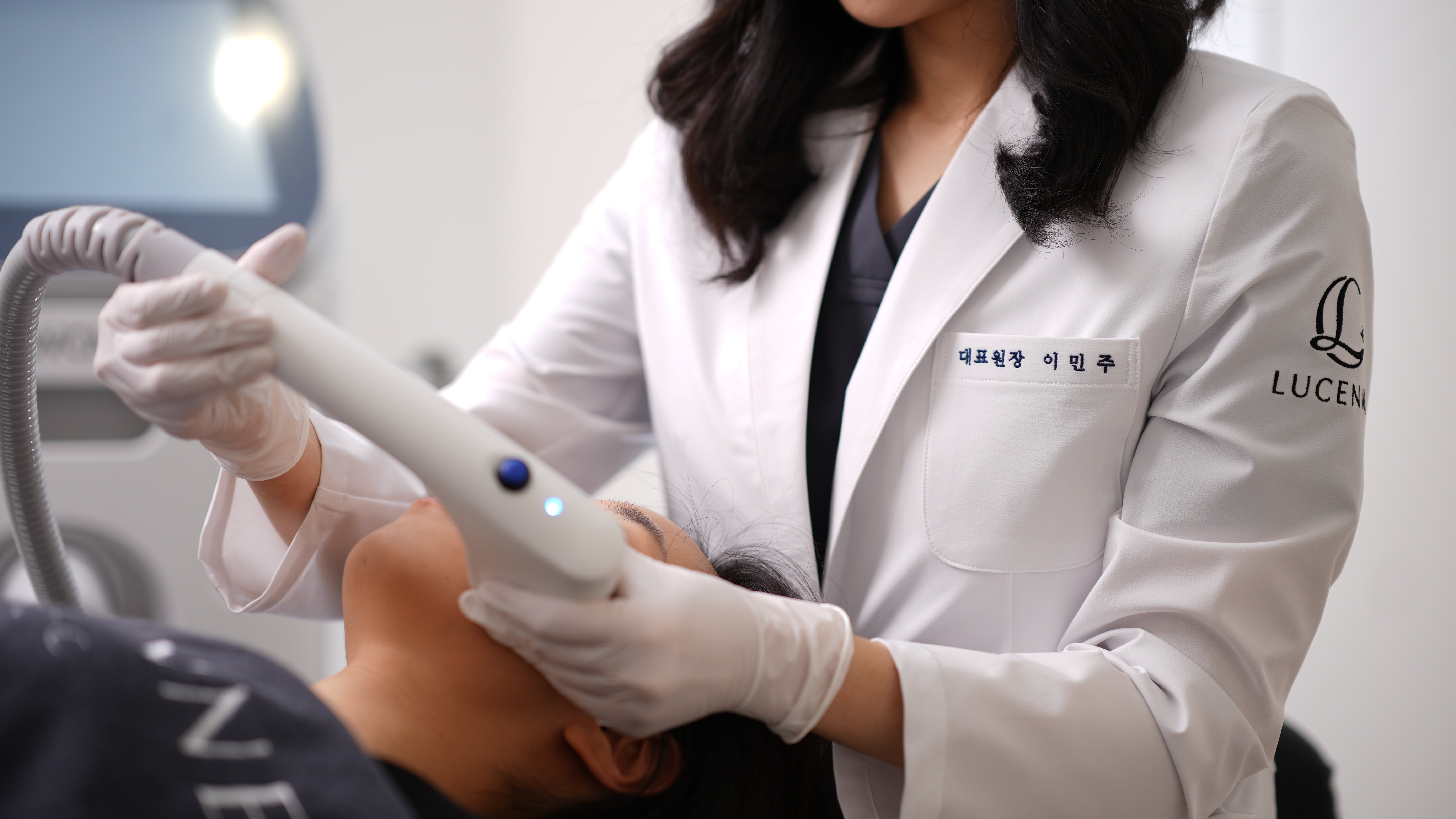
Gangnam Direct Doctor Consultation: Treatment Options
Lucenne clinic offers aesthetic programs designed around different areas of concern. These include lifting combinations, facial contour refinement, shoulder-line care, and body contouring. The clinic also offers anti-aging programs that include stem cell therapy, antioxidant and immune treatments, and intravenous programs. These options have different purposes and considerations; a consultation is the place to discuss which, if any, is appropriate for you. The following overview can help you prepare questions without assuming that a particular procedure will produce a specific result.
Lifting and facial contours
Lucenne clinic’s lifting programs are designed around an evaluation of skin elasticity, volume, and facial contour. Rather than treating these features as interchangeable, the program considers them together when discussing a lifting combination. This distinction matters because a concern about skin firmness is not necessarily the same as a concern about facial volume. Ask the doctor which feature is relevant to your goal and how each proposed part of the plan is intended to address it.
The facial contour program includes botulinum toxin and skin boosters. Botulinum toxin and skin boosters are different types of treatment, so ask what role each would have in your plan and whether both are being recommended. You can also discuss how the proposed approach relates to your wish to maintain natural facial expression. If a combination is suggested, ask why the procedures are being paired, whether they need to be performed together, and what aftercare applies to each. The doctor can explain the considerations for your individual condition, including possible risks and the time needed to assess changes. Personalization means understanding the reason for each recommendation, not simply choosing a program by name.
Lifting and facial contour treatments address distinct concerns, even when they are discussed together. Ask the doctor to explain the purpose of each proposed procedure and how it relates to your priorities.
Shoulder lines and body contouring
The clinic’s shoulder-line program focuses on the line extending from the neck toward the arms. Its body contouring program addresses targeted fat and body volume. These programs are described by the area or concern they focus on, rather than by a single procedure. If either is relevant to you, ask the doctor which treatment methods are being considered, what those methods involve, and whether the approach is suitable for your individual circumstances.
For a shoulder-line consultation, describe the change you are seeking and ask how the proposed treatment relates to the appearance of your neck and shoulders. For body contouring, identify the area you want to discuss and ask what the program is intended to address. Avoid assuming that a program name tells you everything about the treatment itself: the method, preparation, and aftercare are important parts of the decision. Ask about the expected course of treatment, the possibility of discomfort, and any activity guidance afterward. It is also useful to discuss expectations openly. Aesthetic preferences differ, and the clinic’s stated approach emphasizes natural-looking refinement rather than over-treatment. The doctor can help you consider the proposed plan in relation to your goals and health history.
Anti-aging programs
Lucenne clinic’s anti-aging offering includes stem cell therapy, antioxidant and immune treatments, and intravenous programs. These are distinct approaches, and the name of a program alone does not explain its ingredients, method, or suitability. If one is proposed, ask the doctor to identify the specific treatment, explain its intended purpose, and discuss the evidence and uncertainties relevant to your situation. You can also ask about alternatives before deciding whether to proceed.
Questions about safety are especially important when discussing an injectable or intravenous treatment. Ask what the procedure involves, what reactions or complications are possible, and what monitoring or follow-up is appropriate. Share relevant medical conditions and medications, and make sure you understand any preparation instructions. A treatment described as anti-aging should still be assessed on its specific purpose, potential risks, and suitability for the individual.
The clinic describes its setting as private and its approach as personalized. During a consultation, you can use that time to discuss sensitive concerns and ask for clarification about the program being considered. If you are comparing options, request an explanation in terms you can understand: what the treatment is meant to do, how it is delivered, and what is known about its limitations. This makes it easier to decide whether the proposed approach aligns with your priorities.
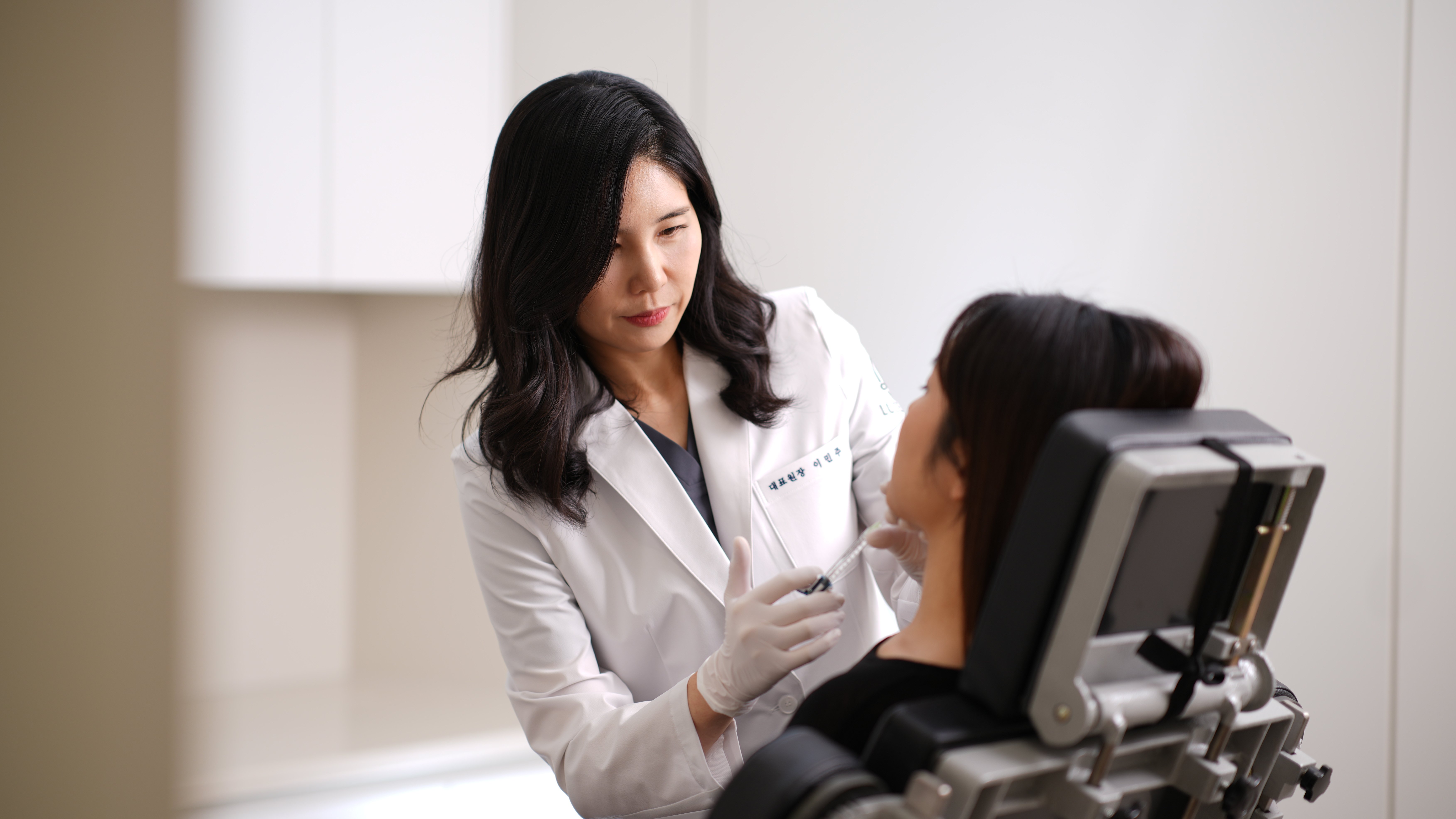
Gangnam Direct Doctor Consultation: Preparing for Your Visit
Good preparation can make an aesthetic consultation more productive. Write down your main concerns, relevant health information, and questions about procedures before you visit. Lucenne clinic offers personalized programs in a private setting, with an emphasis on natural expression. Your role is to give the doctor an accurate account of your goals and medical history, then consider the explanation you receive. There is no need to arrive having already chosen a treatment.
Before the appointment
Make a short note of the areas you want to discuss and any previous treatments in those areas. Include the names and dates if you know them, along with any reactions you experienced. A list of medications and allergies can also be useful. If you have questions about preparation, ask when arranging your visit rather than relying on instructions intended for a different procedure. Preparation should follow the guidance relevant to the treatment actually being considered.
Think about practical constraints as well as aesthetic goals. For example, you may want to know whether a proposed treatment involves visible recovery, whether you need to adjust activities afterward, and when the doctor expects to assess any changes. Ask these questions before scheduling a procedure, particularly if you have upcoming commitments. If cost matters to your decision, request an explanation of the proposed plan and its charges before proceeding. You can also ask whether a follow-up is recommended and what its purpose would be. A consultation is a chance to understand the options, not a commitment to treatment. Taking notes or bringing your questions in writing can help you compare the doctor’s explanation with your own priorities after the appointment.
Preparation is straightforward: know what you want to discuss and share relevant health details. Leave room to ask questions and review the proposed plan before making a decision.
Points to consider before treatment
Every procedure has its own considerations, and suitability depends on the person and the treatment being discussed. Ask the doctor about possible reactions, complications, and any reasons to delay or avoid a procedure. For treatments involving injections, it is reasonable to discuss concerns such as bruising, swelling, or infection, along with the clinic’s instructions for responding to them. The doctor should explain the risks relevant to the proposed treatment rather than relying on a general program description.
Ask how the treatment is administered and what you should expect immediately afterward. If the plan includes more than one procedure, discuss the considerations for each one separately. You should also understand which changes may take time and when to contact the clinic if something concerns you. Seek urgent medical care for severe or rapidly worsening symptoms, particularly difficulty breathing or signs of a serious allergic reaction. The purpose of this discussion is not to assume that a complication will occur, but to make sure you know what to watch for and what action to take. Clear information about risks and aftercare supports an informed decision.
Aftercare and follow-up questions
Before leaving, ask for aftercare instructions that apply to the procedure you received. These may include guidance on caring for the treated area, activities to avoid, and when to seek advice. Follow the instructions from the medical staff rather than applying a general routine to every treatment. If anything is unclear, ask for it to be explained again. Keep the clinic’s contact details accessible so you can raise a concern if needed.
It can be helpful to ask when and how the doctor recommends reviewing the treatment. A follow-up conversation gives you an opportunity to discuss your experience and ask whether any further care is appropriate. Changes may take time depending on individual condition, so avoid judging a treatment solely by its immediate appearance. If you notice a symptom that worries you, contact the clinic rather than waiting for a routine review.
When planning a visit, consider the full sequence: consultation, decision, treatment if appropriate, and aftercare. Ask about each stage in relation to the specific procedure under consideration. Lucenne clinic’s programs cover different concerns, so instructions and expectations should be discussed individually. A clear understanding of the plan helps you make a choice that fits your goals, health circumstances, and practical needs.




Frequently Asked Questions
Q.What does Lucenne clinic offer?
A.Lucenne clinic is a dermatology clinic offering personalized aesthetic programs for facial contours, skin elasticity, shoulder lines, and body contouring. Its approach emphasizes subtle refinement and natural expression.
Q.Who might consider a consultation at Lucenne clinic?
A.Someone who wants to discuss facial contours, skin elasticity, shoulder lines, or body volume may consider a consultation. The doctor can discuss the person’s goals and relevant health history.
Q.What treatments are included in the facial contour program?
A.The facial contour program includes botulinum toxin and skin boosters. Ask the doctor how each treatment relates to your individual concerns.
Q.What should I prepare before a consultation?
A.Bring questions about your goals and be ready to discuss medications, allergies, and previous aesthetic treatments. You can also ask for an explanation of the proposed treatment cost before deciding whether to proceed.
Q.Where is Lucenne clinic, and how can I contact it?
A.Lucenne clinic is at 5F, Dongyang Building, 105 Bongeunsa-ro, Gangnam-gu, Seoul, Republic of Korea. To ask about booking, call +82-2-6952-3663.
Clinic Information
| Clinic | Lucenne clinic |
|---|---|
| Specialty | Dermatology |
| Address | 5F, Dongyang Building, 105 Bongeunsa-ro, Gangnam-gu, Seoul, Republic of Korea |
| Phone | +82-2-6952-3663 |
| Website | https://en.lucenne.co.kr/ |
 Lucenne clinic