
On-Site English Interpreter Gangnam: What to Check
Finding an on-site English interpreter in Gangnam involves more than checking whether someone can translate everyday conversation. A dermatology consultation may cover symptoms, previous treatments, medical history, and aftercare, so clear communication matters at each step. Before arranging a visit to Lucenne clinic, contact the clinic to ask whether English-language support can be arranged and what the appointment will involve. Do not assume an interpreter is available unless the clinic confirms it directly. A little preparation can help you use consultation time effectively and make informed decisions.
Confirm Language Support Before Booking
Start by asking whether an interpreter can attend in person and whether support is available for the full appointment. Clarify whether the interpreter can assist during consultation, treatment planning, and aftercare discussions, rather than only at reception. If support cannot be arranged for every part of the visit, ask how questions about the procedure and recovery will be handled. Clear expectations before the appointment help prevent misunderstandings on the day.
When you contact Lucenne clinic, explain that you are seeking an English-language dermatology consultation and ask what communication arrangements are available. A useful interpreter should be able to convey your words accurately without summarizing away important details. This matters when you describe allergies, medications, previous procedures, or changes in your skin. Ask whether you should bring written information or whether the clinic prefers a particular way to share your medical history. Confirm arrangements directly with the clinic rather than relying on assumptions about language support. If an interpreter is not available, ask what alternatives can be used to make the discussion understandable before agreeing to treatment.
Good interpretation is part of good preparation: the patient and medical staff need to understand one another throughout the visit. Confirm the scope of language support in advance, especially for treatment decisions and aftercare instructions.
Look for Accuracy in Medical Communication
For a dermatology appointment, an interpreter should communicate medical details carefully and allow both sides to speak without unnecessary interruption. You should be able to explain your concerns in your own words, and the medical staff should be able to describe recommendations and relevant considerations clearly. If something is unclear, ask for it to be repeated or explained in simpler terms. The goal is not speed; it is a shared understanding of the information being discussed.
Before the appointment, consider how the interpreter will handle unfamiliar medical terms. Ask whether they can interpret questions and answers directly, and whether they can clarify when a term has no simple equivalent. During the conversation, listen for whether details such as the area being treated, your goals, and the proposed care plan remain consistent. You may ask the interpreter to repeat an important point in plain English. An interpreter supports communication but does not make treatment decisions for you. Make sure you can ask the doctor questions directly and understand the response before deciding how to proceed. If a discussion moves too quickly, request a pause.
Prepare Your Medical History and Questions
A short written summary can make an interpreted consultation more efficient. Note your main skin concerns, when they began, what changes you have noticed, and any treatments you have already tried. Include relevant allergies, medications, and previous procedures so you can share them accurately. Bring your questions in English, and consider writing down key details in advance. Organized information helps keep the conversation focused on your priorities.
Choose a few questions that matter most to you, such as what the consultation will assess, what options may be considered, and what care is needed afterward. If you have photographs or records that explain a concern, ask whether they would be useful to review. Share only information relevant to your care, and tell the medical staff if you are unsure how to describe a symptom. You can request that important instructions be stated clearly and repeated before leaving. Do not feel pressured to agree to a treatment while you are still uncertain about its purpose or the information discussed.
Keep the written summary concise and easy to scan. Separate current medications and allergies from your treatment history, and mark your most important concerns so they are not overlooked. This preparation does not replace a clinical assessment, but it can help you and the medical staff use the consultation time well. If new questions arise during the visit, ask the interpreter to convey them before the discussion moves on. Make sure you understand the next steps and how to seek clarification after the appointment.
On-Site English Interpreter Gangnam: Discussing Treatment
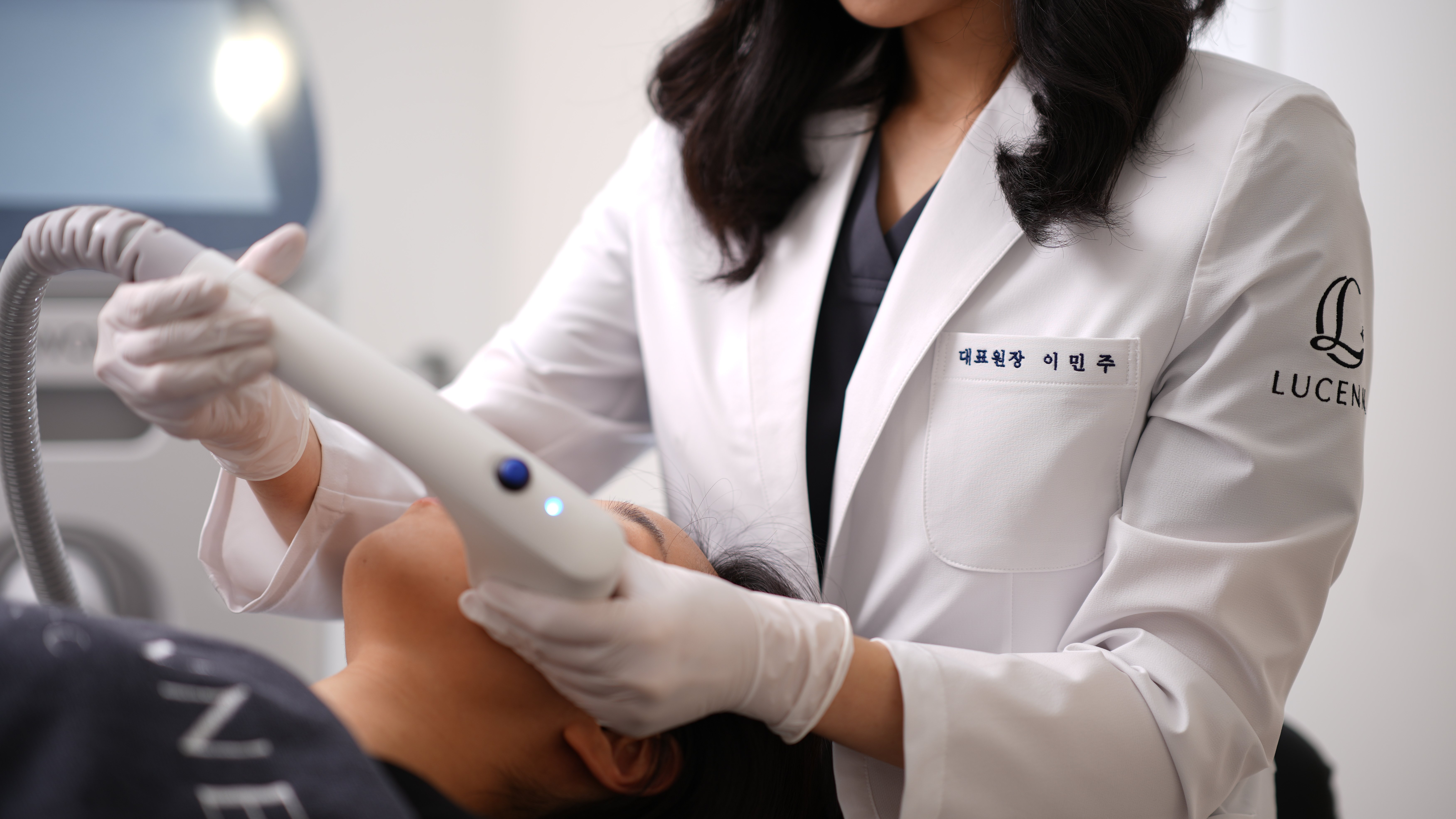
Once language support is confirmed, use the consultation to understand which options fit your concerns and what each involves. At Lucenne clinic, care is described as personalized, with one-on-one consultation and customized treatment. Its signature programs include lifting, Off Shoulder, Faceline, body contouring, and anti-aging care. These names refer to different focus areas, not a promise that any particular treatment is appropriate for every person. Ask the doctor to explain the reasoning, expected process, and relevant considerations before making a decision.
Understand the Consultation and Assessment
A useful consultation begins with your goals and relevant health information, followed by an assessment and discussion of possible care. Lucenne clinic describes its approach as a one-on-one consultation with customized treatment. Ask what aspects of your skin, facial contour, or body concern will be evaluated and how the findings inform recommendations. If an interpreter is present, request direct interpretation of both your questions and the doctor’s answers, including any unfamiliar terms.
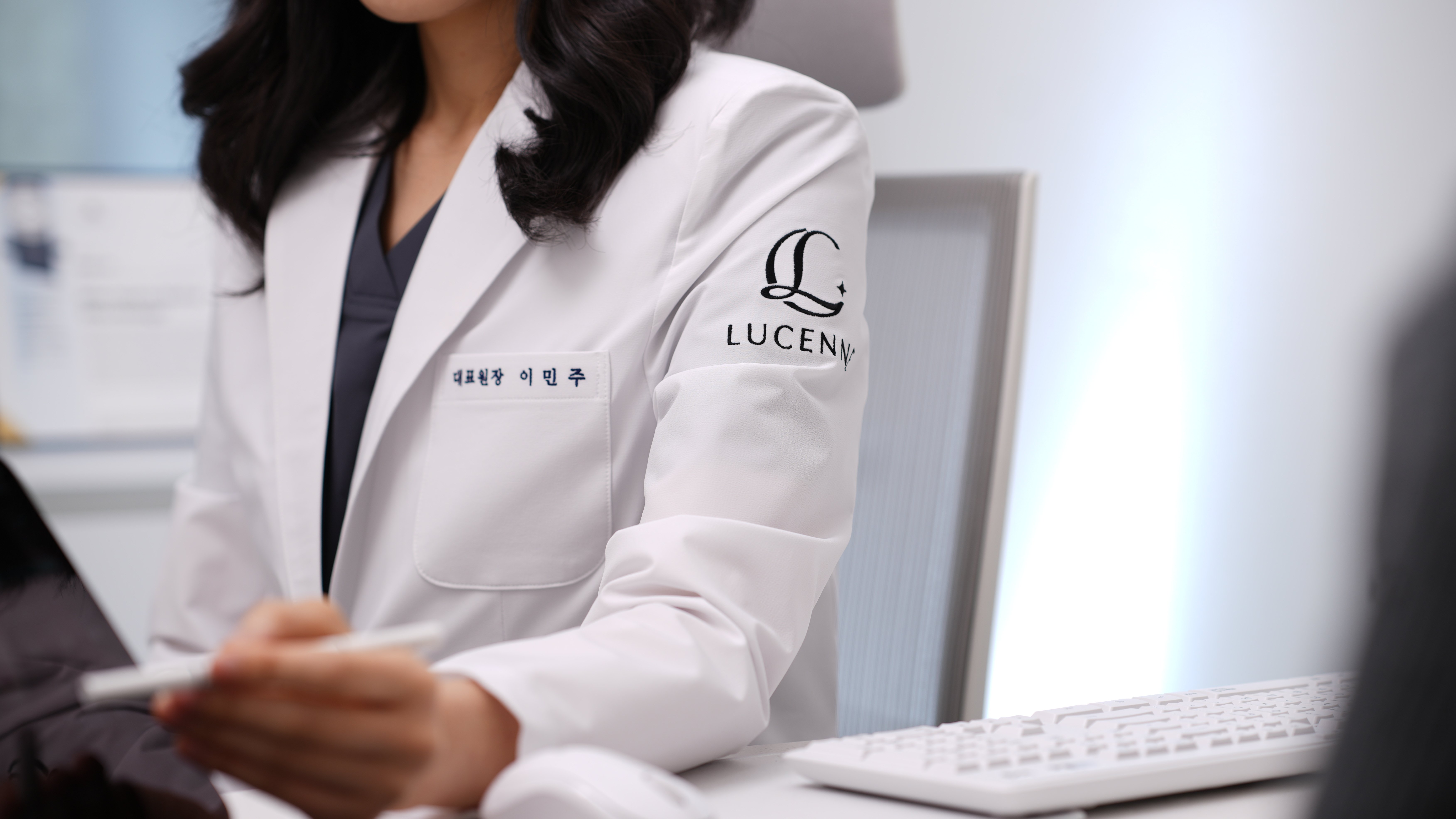
At Lucenne clinic, Minju Lee, MD, is the Founder and Medical Director. The clinic describes its consultation as personal and treatment as customized. You can explain what you hope to address and ask how the doctor determines whether a program is relevant to your situation. A consultation should give you space to discuss your preferences, medical history, and concerns rather than simply selecting a program name. Ask the interpreter to clarify any point you do not understand, including the sequence of care and any instructions to follow. Understanding the assessment is as important as understanding the name of a proposed treatment. Take time to consider the information before consenting.
Start with your concern and let the consultation establish which options are relevant. A program description is a starting point for discussion, not a substitute for an individualized assessment.
Ask How the Programs Relate to Your Goals
Lucenne clinic’s signature programs address different aesthetic goals. Lifting is tailored around an evaluation of skin elasticity, volume, and contour. Off Shoulder focuses on the shoulder line, while Faceline uses botox and skin boosters to refine facial contours while keeping expressions natural. Ask what each program involves in your case, and have the doctor explain whether it aligns with your goals and health history.
Body contouring is described as a program for managing targeted fat and body volume. The anti-aging program focuses on overall body condition and includes stem cell therapy, antioxidant and immune treatments, and specialized IV programs. These descriptions identify the clinic’s program areas; they do not establish that a particular service is suitable for you. Ask what the proposed care would involve, what alternatives may be considered, and what factors could affect the plan. The interpreter should convey your expectations accurately, especially if you prefer a subtle change or wish to avoid a specific approach. Request an explanation of benefits and limitations in terms you can understand before you choose. Your goals and the medical assessment should guide the discussion.
Clarify Treatment Details and Aftercare
Before agreeing to a procedure, ask what will happen during the appointment and what you should expect afterward. Confirm which area is being addressed, what preparation is needed, and whether there are activity or skin-care instructions to follow. If the explanation includes clinical terms, ask for plain-language wording through the interpreter. Do not leave with uncertainty about instructions that affect your care.
Aftercare is part of the treatment conversation, not an optional detail. Ask when to follow the instructions, what changes should prompt you to contact the clinic, and how to reach the medical staff if you have a question. If several steps are discussed, ask for them to be repeated in order and write them down. The doctor can explain which guidance applies to your specific plan. An interpreter can help relay that information, but you should check that the final instructions make sense to you. Take the time to clarify any point that seems inconsistent or incomplete, and make sure you know what follow-up, if any, is recommended.
It may help to bring a note-taking device or a paper list of questions, subject to the clinic’s preferences. Record only the instructions you need to follow, and ask the medical staff to review the notes if you are unsure whether you understood a detail correctly. Changes can take time depending on individual condition, so ask how progress is assessed rather than expecting a fixed timeline. Keep the conversation focused on your own treatment plan, not general claims about what another person experienced.
On-Site English Interpreter Gangnam: Plan the Visit
Practical preparation helps you make the most of an appointment and reduces avoidable communication gaps. Before travelling, confirm the appointment details and whether an interpreter can be arranged. Have your medical history and questions ready, and allow enough time to discuss the assessment and any proposed care. Lucenne clinic is located in Gangnam-gu, Seoul. Call the clinic directly to confirm language arrangements and visit details before making plans.
Bring Information That Supports the Discussion
Prepare a brief account of your concern and what you would like to understand from the visit. Include relevant medications, allergies, previous procedures, and any earlier reactions to treatment. If you have records or photographs that may help explain the concern, ask whether to bring them. Keep the information accurate and distinguish your observations from assumptions about the cause. This gives the doctor a clearer basis for discussion.
It can be helpful to organize your notes into three parts: your main concern, relevant medical information, and questions for the doctor. Use simple descriptions of when a symptom began and how it has changed. If you use products or have had treatments that might be relevant, write down their names so you can share them accurately. Tell the medical staff about allergies and medications even if you are not sure whether they relate to dermatology. Complete, clear information supports a more focused consultation. Avoid relying on memory for details that may affect your care, and let the interpreter know if you want a question or concern conveyed exactly as written.
Bring concise, relevant information and keep your questions close at hand. Preparation helps the consultation stay focused, while direct confirmation with the clinic clarifies the practical arrangements for your visit.
Allow Time for Questions and Decisions
A consultation is most useful when you have time to ask questions and understand the answers. Do not treat an interpreter’s presence as a reason to rush through the discussion. Ask for clarification when you hear an unfamiliar term, and request a pause if interpretation falls behind the conversation. Before deciding, make sure you understand the proposed approach and any instructions connected with it.
Consider separating questions into those you need answered before treatment and those about follow-up. For example, ask what the doctor is assessing, why a particular program is being discussed, and what the next step would be if you choose not to proceed that day. For any treatment you are considering, ask which details are specific to your situation and which are general information. If you need time to think, say so through the interpreter. A sound decision depends on understanding the relevant information, not on making an immediate choice. Pause the conversation whenever you need a clearer explanation. You can also ask the interpreter to repeat the answer in full instead of summarizing it.
Confirm Contact and Location Details
Lucenne clinic’s address is 5F, Dongyang Building, 105 Bongeunsa-ro, Gangnam-gu, Seoul, Republic of Korea. Before travelling, confirm your appointment and any language-support arrangements by phone. Keeping the address and clinic contact details accessible can make arrival and follow-up communication more straightforward. If you are unsure about an appointment detail, ask the clinic directly.
When contacting Lucenne clinic, describe the type of appointment you are seeking and ask whether an English interpreter can attend in person. You may also confirm what information to bring and whether there are any clinic-specific preparation instructions. Do not assume that interpretation is included simply because the consultation is for an international patient; confirm the arrangement directly. Keep a record of the information the clinic gives you so you can refer to it before the visit. Lucenne clinic can be reached at +82-2-6952-3663.
Before leaving for the appointment, check that you have the clinic address, your consultation details, and your written questions. If the planned language support changes, contact the clinic to discuss how communication will be handled. Once at the clinic, confirm that the interpreter is present for the parts of the visit where you need support. Clear communication before, during, and after consultation helps you understand the care being discussed and the next steps.


Frequently Asked Questions
Q.What kind of clinic is Lucenne clinic?
A.Lucenne clinic is a dermatology clinic offering personalized consultations and customized treatment. Its signature programs include lifting, Off Shoulder, Faceline, body contouring, and anti-aging care.
Q.Who may consider consulting Lucenne clinic?
A.People seeking a dermatology consultation about facial contours, shoulder lines, skin elasticity, body contouring, or anti-aging care may discuss their goals with the medical staff. The appropriate approach depends on an individual assessment.
Q.What treatments does Lucenne clinic offer?
A.The signature programs include lifting, Off Shoulder, Faceline, body contouring, and anti-aging care. The doctor can explain which options relate to your concerns during a one-on-one consultation.
Q.What should I prepare before a visit?
A.Bring relevant information about your medical history, medications, allergies, previous procedures, and current concerns. Contact Lucenne clinic in advance to ask whether an English interpreter can be arranged.
Q.Where is Lucenne clinic, and how can I contact it?
A.Lucenne clinic is at 5F, Dongyang Building, 105 Bongeunsa-ro, Gangnam-gu, Seoul, Republic of Korea. Call +82-2-6952-3663 to ask about an appointment and language arrangements.
Clinic Information
| Clinic | Lucenne clinic |
|---|---|
| Specialty | Dermatology |
| Address | 5F, Dongyang Building, 105 Bongeunsa-ro, Gangnam-gu, Seoul, Republic of Korea |
| Phone | +82-2-6952-3663 |
| Website | https://en.lucenne.co.kr/ |
 Lucenne clinic