
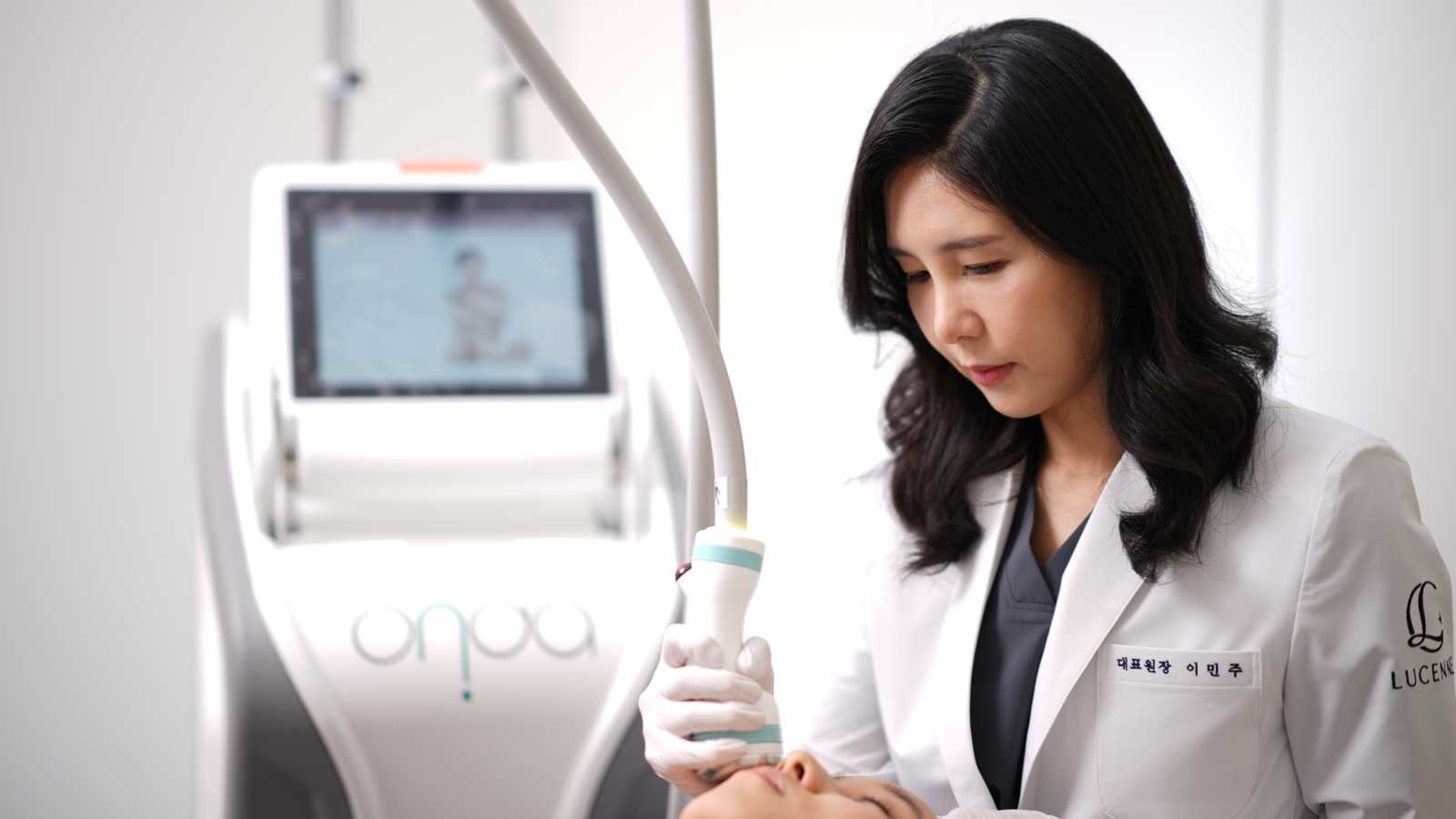
Gangnam Onda Lifting: Understanding the Treatment
When considering Onda lifting, begin with a clear understanding of what you hope to address and what the proposed treatment involves. A consultation can help connect your concerns with an appropriate plan, rather than treating the procedure as a one-size-fits-all choice. At Lucenne clinic, the approach emphasizes personal customization and a natural expression of individual beauty. Ask the doctor to explain the treatment plan in plain language before deciding whether to proceed.
Start with your goals and concerns
Before a consultation, identify the area or change you would like to discuss and describe what matters most to you. It can help to distinguish between a specific concern and a broader preference, such as wanting a subtle change rather than a noticeably different appearance. These details give the doctor a useful starting point for assessing whether Onda lifting aligns with your goals. A clear conversation about expectations is an important part of responsible treatment planning.
Consider writing down questions in advance, especially if you are comparing treatment approaches or have had previous procedures. Ask what the proposed plan is intended to address, what the appointment involves, and what changes may be realistic for your individual condition. The doctor can use your concerns and clinical assessment to guide the discussion. Results and treatment suitability should not be assumed from the name of a procedure alone; they depend on the individual plan and circumstances.
Onda lifting should be considered through the lens of your own concerns, not as a standard plan for everyone. A focused consultation helps clarify the intended approach and whether it fits your goals.
Understand the role of consultation
A one-on-one consultation gives you time to explain your priorities and hear how the doctor would approach them. At Lucenne clinic, treatment is described as customized, with an emphasis on refining each person’s own sense of beauty rather than over-treatment. Use the discussion to ask about the proposed procedure, the areas being considered, and the reasoning behind the plan. Understanding those details helps you make a considered choice.
Share relevant information about your health, previous treatments, current concerns, and any changes you have noticed. These details can help the doctor assess your situation and discuss whether a proposed approach is suitable. Be specific about the type of result you want, but also ask what the plan is designed to achieve and what it cannot promise. A careful conversation should leave you with a clear understanding of the next steps, including any preparation or aftercare that applies to your plan. If something is unclear, ask for an explanation before consenting.
Keep expectations grounded
Cosmetic treatment is a personal decision, and the same approach may not suit every person. Consider whether your goals are specific, realistic, and consistent with the doctor’s assessment. It is also reasonable to take time to reflect after consultation instead of deciding immediately. A treatment plan should be based on your condition and priorities, not on pressure to pursue a particular look.
Lucenne clinic describes its approach as focused on subtle refinement and naturally expressed beauty. That philosophy can be a useful starting point for discussing how much change you want, but it does not determine what a particular treatment can achieve. Ask the doctor to explain the intended changes in your case and how your individual condition may affect the plan. Changes may take time depending on individual condition, and outcomes should not be treated as guaranteed. A transparent discussion helps align expectations with the proposed care.
Before agreeing to treatment, make sure you understand which concern is being addressed and what the plan includes. Ask whether there are alternatives to consider, what the appointment will involve, and what guidance you should follow afterward. If your priorities change or you are uncertain about a recommendation, explain that during the consultation. Informed consent begins with knowing what is proposed and why. Taking a measured approach supports a decision that reflects your preferences rather than assumptions about a procedure.
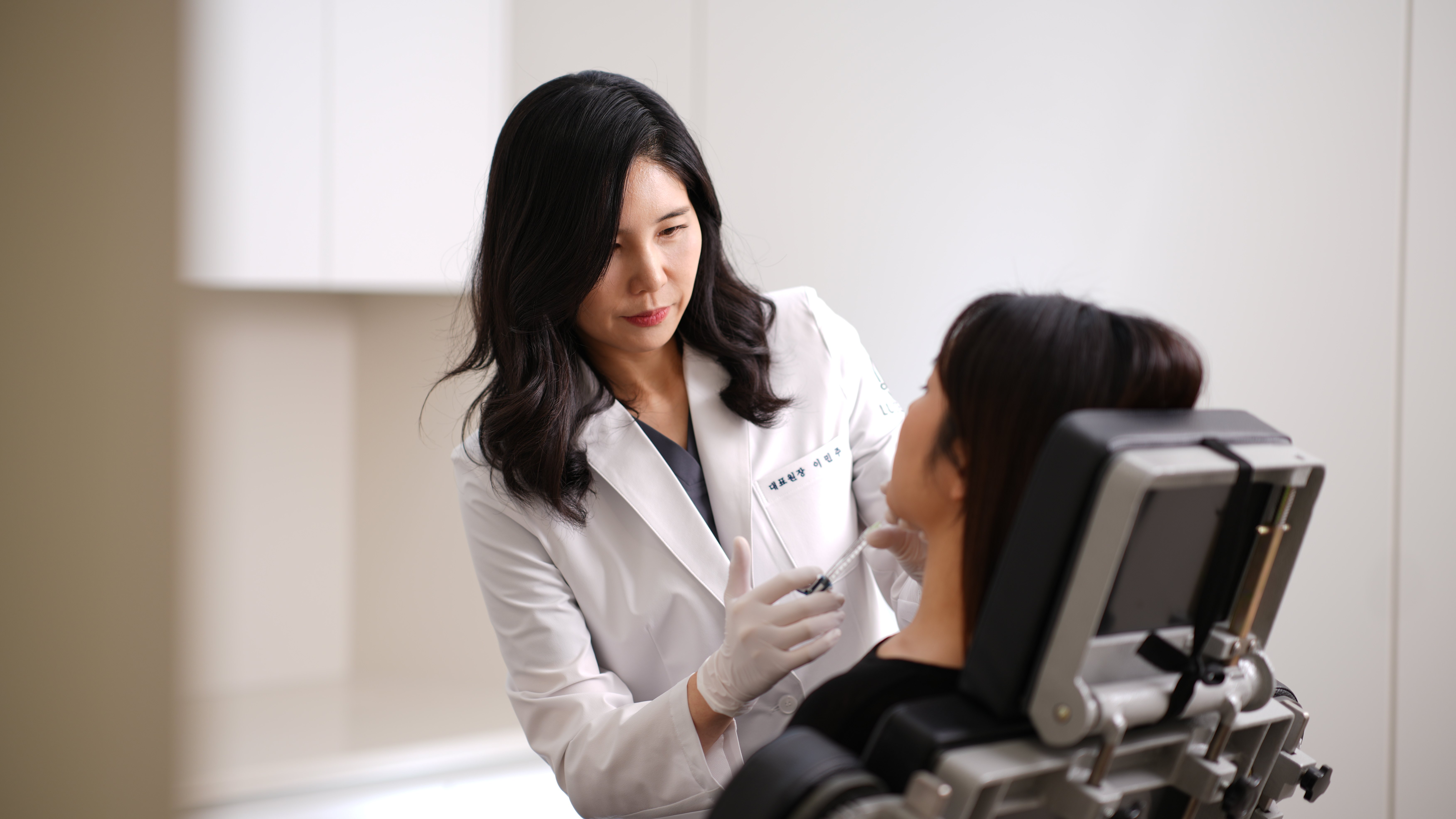
Gangnam Onda Lifting and Personalized Care
Personalized care means discussing the individual rather than relying on a standard description of a treatment. At Lucenne clinic, one-on-one consultation and customized treatment are central to the stated approach. The doctor can review your goals, assess your situation, and explain the proposed plan. Use that conversation to understand how the recommendation relates to your specific concerns. A private setting can also provide space to ask questions and consider your options without feeling rushed.
What an individualized plan should clarify
A useful treatment discussion should make the purpose of the plan understandable. Ask which concern the doctor is addressing, what the proposed Onda lifting approach involves, and how the plan has been tailored to you. You can also ask what information from your assessment influenced the recommendation. Clear explanations help you distinguish a personalized plan from a generic description of a procedure and allow you to decide whether the proposed care fits your priorities.
Make sure the conversation covers more than the treatment name. You should understand the proposed steps, any preparation or aftercare relevant to your plan, and the changes the doctor expects to discuss for your individual condition. Ask how progress will be reviewed if follow-up is recommended. Your goals matter, but the doctor’s assessment also guides decisions about suitability. If you have questions about what is included or why a particular approach is suggested, ask before proceeding. The aim is a plan you understand, not a decision based only on a brief description or a general promise.
Personalized care is most useful when the plan is clearly connected to your concerns and clinical assessment. Ask what is proposed, why it is proposed, and what expectations are appropriate for your situation.
A private setting for focused discussion
Lucenne clinic describes its setting as private and premium, with care focused on personal customization. For patients considering an aesthetic treatment, privacy can make it easier to discuss individual preferences and ask direct questions. The setting does not replace clinical assessment, so use the consultation to understand the recommendation and its rationale. Feeling comfortable enough to ask questions is part of an informed visit.
Bring up any concerns that could affect your decision, including uncertainty about the treatment plan or the kind of change you want. The doctor can explain the proposed approach and help you consider whether it matches your priorities. It is also useful to confirm what you should expect during the appointment and whether any instructions apply to you. A private space and individualized discussion support a more considered exchange, but no setting can guarantee a particular result. Focus on clear information, realistic expectations, and your comfort with the plan before choosing to proceed.
Questions to ask during consultation
Prepare questions that help you understand the treatment rather than simply asking whether it is popular. For example, ask what the doctor recommends for your concern, what the procedure involves, and what factors may influence your treatment plan. If you have had previous cosmetic procedures, mention them. Relevant details help make the discussion more specific to you.
You can also ask about preparation, aftercare, and how to contact the clinic if you have a question after your visit. Request an explanation of any unfamiliar terms and take time to consider the answers. A useful consultation should clarify the purpose of the proposed care and leave you able to make a voluntary, informed decision. If the plan does not match your goals, say so; your preferences are part of the discussion. These questions are practical starting points, not a substitute for the doctor’s assessment of your individual circumstances.
There is no need to arrive with a fixed decision. Bring a concise description of your concerns and listen to the doctor’s explanation of the proposed approach. You may want to note the parts of the plan that are clear and any points you still need explained. A consultation is an opportunity to assess fit, ask questions, and decide whether the next step feels appropriate to you.
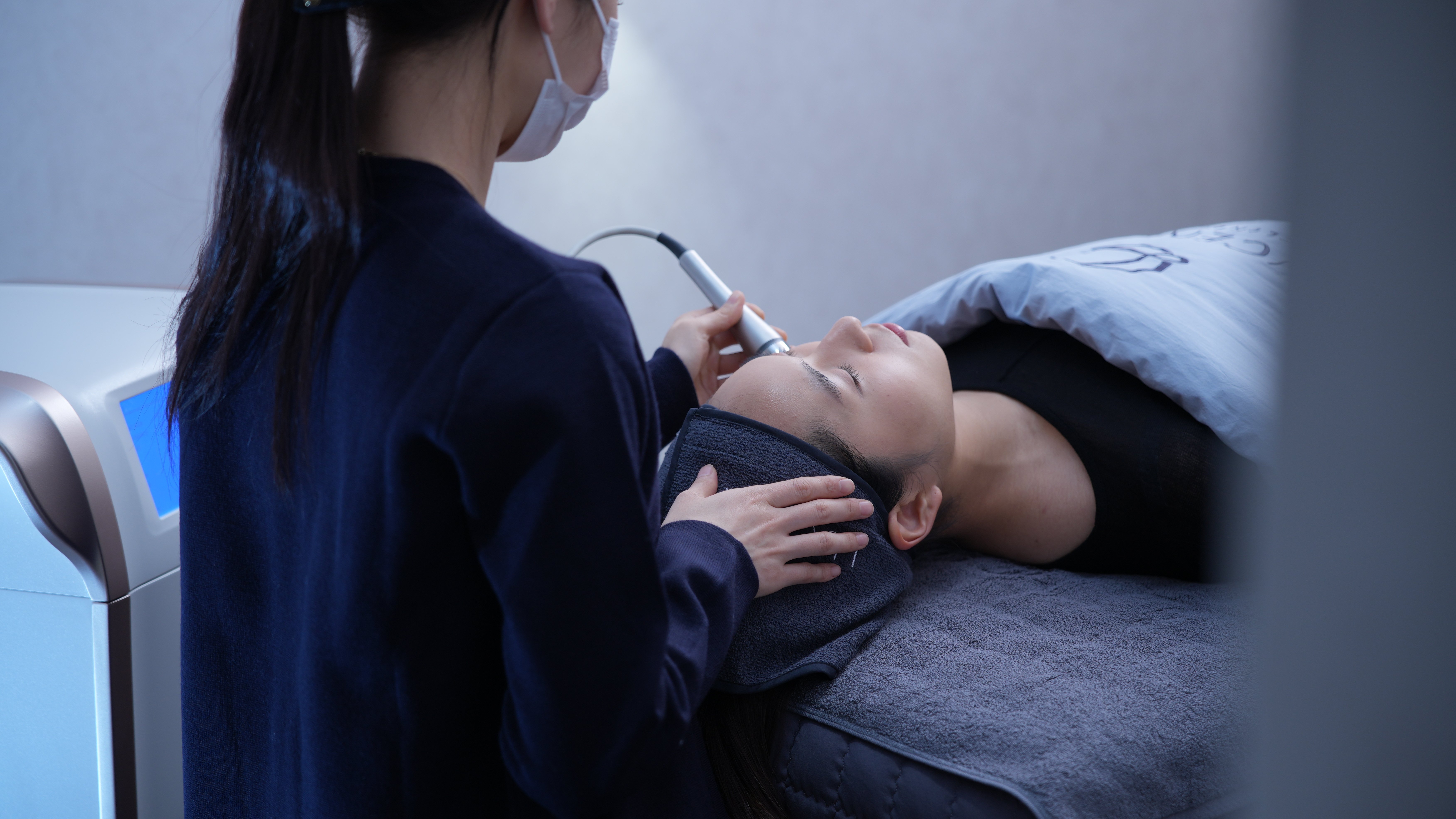
Gangnam Onda Lifting: Points to Consider Before Treatment
Before choosing a treatment, consider suitability, expectations, and the practical details of your visit. No procedure should be selected solely because its name suggests a particular result; the doctor’s assessment and your goals both matter. At Lucenne clinic, the stated approach emphasizes customized care and subtle refinement. Ask for a clear explanation of the plan, including what it is intended to address and what guidance applies afterward.
Discuss suitability and individual factors
Suitability depends on an individual assessment, so describe your concerns accurately and share relevant health and treatment history. Ask the doctor whether the proposed approach is appropriate for your circumstances and whether any factors should be considered before proceeding. If you have concerns about treatment, mention them directly. Do not assume that a procedure is suitable simply because it is discussed as an option.
Your preferences are important, but treatment decisions should also reflect the doctor’s clinical assessment. Explain what kind of change you hope for and whether you prefer subtle refinement. Ask how the proposed plan relates to those preferences and what limitations you should understand. A careful conversation can help avoid mismatched expectations and clarify whether to proceed, consider another approach, or take more time to decide. If your health or circumstances change before an appointment, share that information with the medical staff. The decision should be based on a current discussion of your needs and the plan being considered.
Suitability and expectations should be discussed for your individual situation before treatment. A clear explanation of the plan, its purpose, and relevant aftercare helps you decide with confidence and care.
Plan for preparation and aftercare
Preparation and aftercare can depend on the treatment plan, so ask the doctor what instructions apply to you rather than relying on general assumptions. Confirm what you should do before the visit and what guidance to follow afterward. If any instructions are unclear, request clarification before your appointment. Following advice that is specific to your plan is more useful than guessing.
During the consultation, ask what the appointment involves and whether there are any steps you should take in advance. After treatment, follow the instructions provided for your case and contact the clinic if you need clarification. Avoid assuming that every patient receives identical guidance. If you notice a change that concerns you, seek advice from the clinic rather than relying on general online descriptions. Keeping your questions and instructions together can make it easier to refer back to them. The exact details should be discussed with the medical staff in relation to your assessment and proposed treatment.
Make an informed decision
Take time to review the information you receive and consider whether the proposed approach matches your goals. You should understand what the doctor recommends, why it was recommended, and what expectations are appropriate for your case. It is reasonable to ask for more explanation or time before deciding.
Lucenne clinic’s stated philosophy focuses on personal customization and naturally expressed beauty, with subtle refinement rather than over-treatment. Use that as a starting point for discussing your preferences, not as a promise of a particular outcome. Ask about the treatment plan and any practical details that affect your decision, including costs and follow-up. Since pricing and care depend on the specific plan, discuss the details directly with the clinic. An informed choice is one you understand and make voluntarily after considering both your priorities and the doctor’s assessment.
When you are ready to arrange a visit, contact Lucenne clinic to ask about consultation and booking. The clinic is at 5F, Dongyang Building, 105 Bongeunsa-ro, Gangnam-gu, Seoul, Republic of Korea, and can be reached at +82-2-6952-3663. Share that you are interested in discussing Onda lifting and mention any questions you would like addressed. Confirm the consultation details directly with the clinic before visiting.




Frequently Asked Questions
Q.What kind of clinic is Lucenne clinic?
A.Lucenne clinic is a dermatology clinic offering one-on-one consultation and customized treatment. Its approach emphasizes personal care and subtle refinement.
Q.Who should consider discussing Onda lifting?
A.People considering an aesthetic treatment for a specific concern can discuss their goals and suitability with the doctor. The recommendation should be based on an individual assessment.
Q.How does a consultation about Onda lifting work?
A.The doctor discusses your concerns, assesses your situation, and explains the proposed plan. Ask about the treatment steps, expectations, and any aftercare relevant to your case.
Q.What should I prepare, and how much does treatment cost?
A.Prepare a description of your concerns and relevant treatment history, and bring any questions you want answered. Discuss pricing and any preparation instructions directly with the clinic, since details depend on the proposed plan.
Q.Where is Lucenne clinic, and how can I book?
A.Lucenne clinic is at 5F, Dongyang Building, 105 Bongeunsa-ro, Gangnam-gu, Seoul, Republic of Korea. Call +82-2-6952-3663 to ask about consultation and booking.
Clinic Information
| Clinic | Lucenne clinic |
|---|---|
| Specialty | Dermatology |
| Address | 5F, Dongyang Building, 105 Bongeunsa-ro, Gangnam-gu, Seoul, Republic of Korea |
| Phone | +82-2-6952-3663 |
| Website | https://en.lucenne.co.kr/ |
 Lucenne clinic