
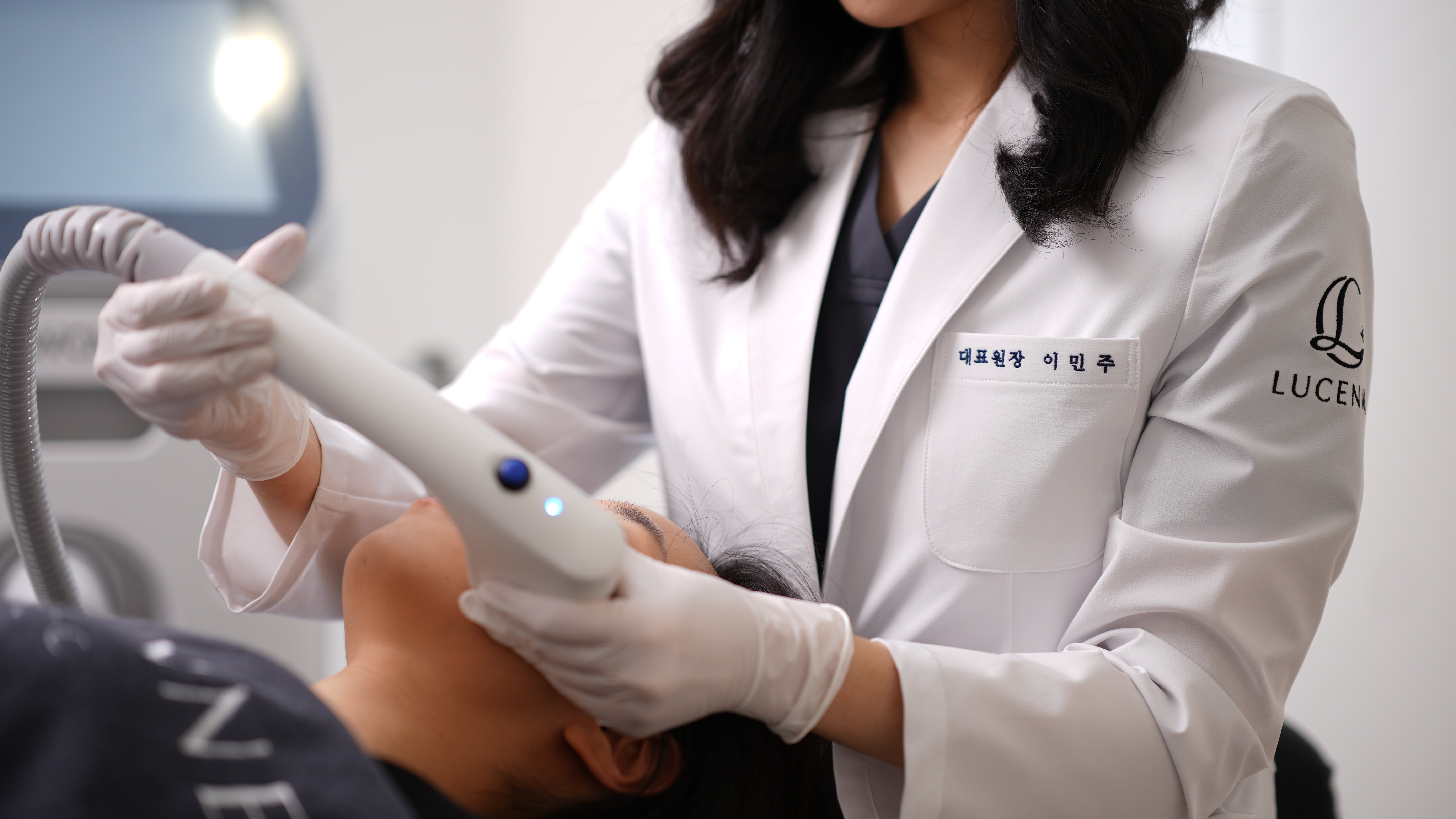
Preparing for a Sinnonhyeon Station Skin Clinic Consultation
A useful skin consultation begins with a clear picture of what you would like to address. Before visiting Lucenne clinic, consider whether your main concern is skin texture, fine lines, facial contours, or another change. Bring a concise account of your concerns and relevant medical history so the doctor can assess your needs in context. Lucenne clinic offers one-on-one consultations and customized treatment planning with Minju Lee, MD, founder and medical director. The consultation is also an opportunity to ask how a proposed treatment fits your goals and daily routine.
Identify Your Main Concerns
Start by noting the changes you have noticed and how long you have been aware of them. You might be concerned about the appearance of pores, fine lines, skin laxity, or facial volume. Try to distinguish your primary concern from issues you would simply like to discuss. This helps the doctor understand your priorities before discussing treatment. If a concern is new, uncomfortable, or changing, describe those details rather than assuming that an aesthetic procedure is the right first step.
It can also help to think about the outcome you are looking for in practical terms. For example, you may want to understand options for facial contours while retaining a natural-looking expression, or you may want advice on improving the appearance of skin texture. A treatment name is not a substitute for a clear goal. A procedure that interests you may not address every concern in the same way, and a consultation allows the doctor to explain the intended role of each option. If you have undergone previous treatments, make a note of the procedure names and approximate dates if you remember them. Mention anything you liked or found difficult about the experience. You do not need to arrive with a diagnosis or a complete treatment plan; your observations give the medical staff a starting point for a discussion tailored to you.
A productive consultation starts with your concerns, not a predetermined procedure. Clear priorities and a relevant treatment history help the doctor discuss options in context.
Gather Your Medical and Skin Care History
Prepare a list of medications, supplements, allergies, and skin care products you currently use. Include prescription treatments and products applied directly to your skin. If you have a history of skin sensitivity, reactions to products, or difficulty healing after a procedure, tell the doctor. Mention any health conditions and whether you are pregnant or breastfeeding, as these details can be relevant when considering treatment. Do not stop prescribed medication without first speaking to the prescribing clinician.
If you have had injections, energy-based treatments, or other cosmetic procedures, share what you know about them. The doctor may ask which areas were treated, when the treatment took place, and whether you experienced a reaction. It is fine if you cannot recall every detail; bringing available records or product names can make the conversation easier. A current skin care routine is useful to discuss as well, particularly if you use products that cause dryness or irritation. Rather than changing your routine immediately before the visit, ask the medical staff whether any adjustments are appropriate for a proposed procedure. The aim is to give the doctor a realistic picture of your skin and health, then agree on preparation instructions that suit the treatment being considered.
Write Down Questions Before You Arrive
Consultations can cover unfamiliar terminology, so a short written list helps keep the discussion focused. Ask what a proposed treatment is intended to address, how it is performed, and what alternatives might be appropriate. You can also ask whether the doctor recommends treating one concern first or considering a combination of approaches. If the explanation includes a device or injectable product you do not recognize, ask what role it would play in your individual plan.
Practical questions matter as much as the choice of procedure. Ask about expected sensations, preparation, aftercare, potential reactions, and when you should contact the clinic after treatment. Discuss the likely schedule and whether the plan can be accommodated around work or travel. Changes may take time depending on individual condition and the treatment selected. Ask the doctor to explain what progress would reasonably be assessed and when, rather than assuming that every treatment produces the same response.
| What to bring or prepare | Why it helps |
|---|---|
| Your main concerns and goals | Helps focus the consultation on your priorities |
| Medication, supplement, and allergy information | Supports a discussion of treatment suitability |
| Previous procedure details, if available | Gives the doctor context about earlier care |
| Questions about preparation and aftercare | Helps you understand the proposed plan |
Keep your notes brief enough to use during the appointment. A list on your phone or a sheet of paper can help you remember important details without having to reconstruct your history on the spot. If you are considering more than one treatment, ask the doctor to explain the purpose of each one separately. Before agreeing to a procedure, make sure you understand the plan, the preparation required, and what you should do if you have a concern afterward.
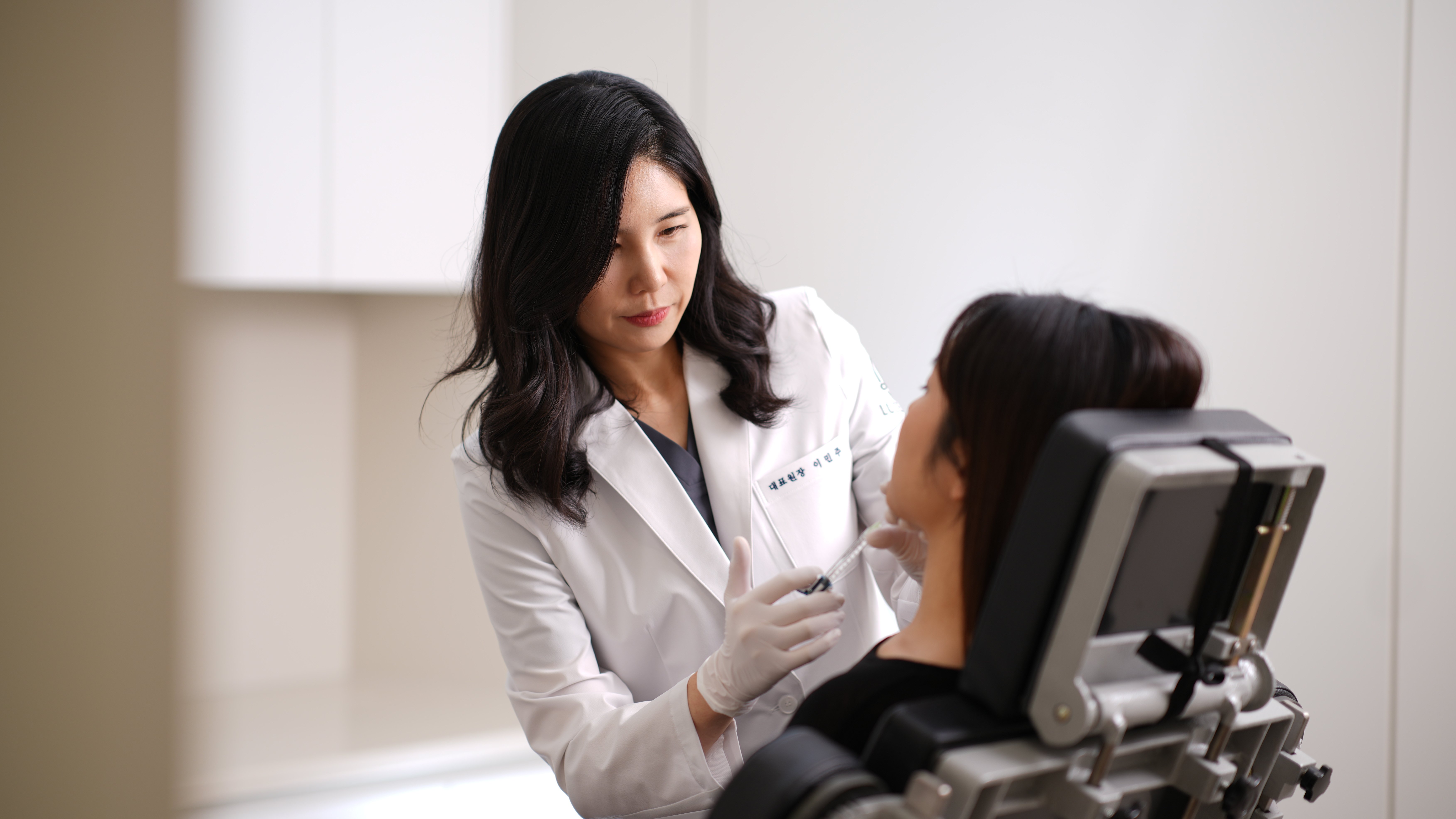
Understanding Options at Sinnonhyeon Station Skin Clinic
Lucenne clinic offers energy-based and injectable treatments, along with programs focused on lifting, facial contours, and body contouring. The appropriate approach depends on the area being assessed and the concerns you discuss with the doctor. A device or procedure name describes a method, not a promise of a particular result. Use the consultation to learn what each option is intended to address, how it is performed, and whether it is suitable for your circumstances.
Energy-Based Treatments
Energy-based options at Lucenne clinic include Ultherapy Prime, Sofwave, XERF, Onda, and Thermage FLX. These treatments use different forms of energy and are discussed in relation to concerns such as skin laxity, fine lines, or texture. Potenza combines microneedling with radiofrequency and is offered for concerns including the appearance of pores, scars, and redness. The doctor can explain how a treatment works and why it may or may not fit your goals.
When comparing options, ask about the area being treated and the intended purpose rather than focusing only on the technology. Ultherapy Prime and Sofwave use ultrasound, while Thermage FLX and XERF use radiofrequency. Onda uses microwave energy, and Potenza uses microneedling radiofrequency. These differences can be useful to understand, but they do not determine which treatment is right for you on their own. Your skin condition, medical history, priorities, and the doctor’s assessment all matter. Ask what you might feel during the procedure and what skin changes to expect afterward. You can also discuss whether a treatment is intended to address one specific concern or forms part of a broader plan. Understanding the purpose of each step makes it easier to decide whether the proposed care aligns with your expectations.
Energy-based treatments use different methods, so the name of a device alone does not tell you which option is appropriate. Ask the doctor to connect the proposed treatment to your specific concern and explain what it involves.
Injectables and Contouring Programs
Lucenne clinic offers Botox, skin boosters, collagen boosters, Juvelook, and full-face filler among its listed services. The facial contouring program combines Botox and skin boosters with the aim of refining facial contours while maintaining natural-looking expressions. The clinic also offers an Off-Shoulder program and body contouring services, including Body Onda, body filler, and body Botox. Ask the doctor which approach addresses your concern and what the proposed treatment would involve.
Injectable treatments differ in purpose, placement, and how they are administered. Before deciding on an option, discuss the specific product or procedure, the area being treated, and the intended effect. Ask about relevant precautions and what to do if you notice an unexpected reaction. If you are considering facial contouring, explain whether your priority is definition, volume, or another concern; these goals may call for different approaches. For body contouring, be clear about the area you wish to discuss and any practical considerations that matter to you. The doctor’s assessment should guide the choice of treatment rather than the appeal of a program name alone. If a combination is suggested, ask why each component is included and whether the components can be considered separately.
Skin Assessment and Supportive Care
Lucenne clinic offers EVE MUSE skin analysis, which uses three-dimensional imaging and artificial intelligence to assess skin condition. The clinic also has handheld ultrasound equipment that provides real-time images of underlying anatomy. These tools can support discussion and planning where appropriate; ask the medical staff how an assessment would be used in your care. A consultation remains the place to discuss your concerns, medical history, and treatment preferences alongside any assessment.
Supportive options at Lucenne clinic include LDM ultrasound care, Cryocell cooling care, and Biolight 3 LED therapy. The medical staff can explain the purpose of a recommended option and whether it is relevant to the treatment you are considering. Do not assume that every appointment includes the same assessment or supportive care. If you are interested in a particular device or approach, raise it during the consultation and ask how it fits into the proposed plan.
| Service or tool | Method or stated focus |
|---|---|
| Ultherapy Prime | Focused ultrasound for lifting |
| Thermage FLX | Radiofrequency for skin tightening and fine lines |
| Potenza | Microneedling radiofrequency for concerns including pores and scars |
| EVE MUSE | Three-dimensional skin analysis |
| Handheld ultrasound | Real-time imaging of underlying anatomy |
It is reasonable to ask how the clinic will decide whether an assessment or supportive treatment is useful for you. Request an explanation of what the step is intended to accomplish and whether it affects the rest of your plan. If a proposed combination includes several procedures, ask how the sequence is determined and what you need to prepare for each one. Understanding these details helps you make a more informed decision without assuming that more treatments are necessarily appropriate.

Planning Your Sinnonhyeon Station Skin Clinic Visit
Once you have identified your concerns, plan the practical details of your appointment. Lucenne clinic offers consultations and treatment options that can be discussed with the medical staff before you decide on care. Consider your schedule, any upcoming commitments, and the questions you want answered. Ask for treatment-specific preparation and aftercare instructions before making plans around a procedure. The time needed and any precautions depend on the treatment and your individual circumstances.
Check the Appointment Schedule
Lucenne clinic is open Monday, Tuesday, Thursday, and Friday from 10:00 a.m. to 8:00 p.m.; Wednesday from 2:00 p.m. to 8:00 p.m.; and Saturday from 10:00 a.m. to 3:00 p.m. The listed lunch break is from 1:00 p.m. to 2:00 p.m. When arranging a visit, ask about appointment availability and allow enough time for a consultation. If you are interested in treatment on the same day, discuss that request when booking.
Consider whether you have meetings, travel, exercise, or social plans immediately after the appointment. The appropriate schedule depends on what you choose and on the instructions given by the doctor. Asking in advance can help you avoid making assumptions about how long an appointment will take or what you will be comfortable doing afterward. If you are exploring more than one option, let the clinic know what you would like to discuss so the consultation can focus on your priorities. You may also want to keep your schedule flexible until you understand the proposed procedure and its aftercare. Do not feel obliged to make a treatment decision before your questions have been answered. A consultation can be used to understand your options and decide what, if anything, you would like to do next.
Plan the visit around the consultation first, especially if you are still comparing options. Treatment timing and preparation should follow the medical staff’s instructions for your individual plan.
Points to Consider Before Treatment
Every procedure deserves a discussion of suitability, potential reactions, and aftercare. Ask the doctor what to expect during and after the proposed treatment, including any discomfort or temporary skin changes. Tell the medical staff about active irritation, allergies, previous reactions, or other health concerns. If you have an upcoming event, explain your schedule so the doctor can discuss whether the timing is appropriate. Individual responses differ, and no particular outcome should be assumed.
Before proceeding, ask which instructions apply to your specific procedure. These may cover skin care products, sun exposure, activities, or follow-up, depending on the treatment and your circumstances. Make sure you understand which reactions should prompt you to contact the clinic and how to seek help if a concern arises. For injectable procedures, ask about the treatment area and any relevant precautions. For energy-based procedures, ask how the skin should be cared for afterward. If the doctor recommends a staged or combined plan, discuss the purpose and timing of each stage before agreeing to it. You can also ask for clarification if a term or instruction is unfamiliar. A clear conversation about both the intended benefits and the points to consider supports an informed decision.
Discuss Fees and Follow-Up
Treatment costs depend on the proposed care, so ask for an explanation of fees before proceeding. If more than one service is recommended, request a breakdown of what is included in the plan. This gives you an opportunity to understand the relationship between the consultation, any assessment, the proposed procedure, and follow-up. Discuss alternatives if you would prefer to address one concern at a time. You can make a decision after considering both the clinical explanation and the practical details.
Before leaving, review the next steps with the medical staff. Ask whether a follow-up is recommended, what it would assess, and whom to contact if you have a question. If you receive written instructions, keep them where you can refer to them easily. Note any guidance about your usual skin care routine and when to resume activities. If you are uncertain about an instruction, ask for clarification rather than relying on advice intended for a different procedure.
Good preparation does not require knowing exactly which treatment you want. It means arriving ready to describe your concerns, share relevant health information, and discuss your preferences openly. At Lucenne clinic, use the one-on-one consultation to understand the options that relate to your goals. Take time to consider the proposed plan, including its intended benefits, practical requirements, and potential reactions, before deciding whether to proceed.




Frequently Asked Questions
Q.What does Lucenne clinic offer?
A.Lucenne clinic offers dermatology consultations, energy-based treatments, injectable treatments, and programs for lifting and facial and body contouring.
Q.Who might consider a consultation?
A.A consultation may be useful for someone who wants to discuss skin texture, fine lines, facial contours, or body contouring. The doctor can assess the concern and discuss suitable options.
Q.What treatments can I discuss?
A.Options at Lucenne clinic include Thermage FLX, Sofwave, Onda, Potenza, skin boosters, Botox, and filler. The doctor can explain which approaches relate to your concerns.
Q.What should I prepare before my visit?
A.Bring a list of your medications, allergies, skin care products, and previous procedures, along with questions about your concerns and goals.
Q.Where is Lucenne clinic, and how can I book?
A.Lucenne clinic is at 5F, Dongyang Building, 105 Bongeunsa-ro, Gangnam-gu, Seoul, Republic of Korea. For consultation and reservations, call +82-2-6952-3663.
Clinic Information
| Clinic | Lucenne clinic |
|---|---|
| Specialty | Dermatology |
| Address | 5F, Dongyang Building, 105 Bongeunsa-ro, Gangnam-gu, Seoul, Republic of Korea |
| Phone | +82-2-6952-3663 |
| Website | https://en.lucenne.co.kr/ |
 Lucenne clinic