

Gangnam Thermage and how it works
Thermage FLX is a radiofrequency treatment that delivers energy into the dermis to support collagen renewal, skin tightening, and fine-line reduction. It is one option for people considering non-surgical skin rejuvenation, but it is not interchangeable with every lifting or skin-quality treatment. At Lucenne clinic, treatment planning considers factors such as skin elasticity, volume, and contour. The key distinction is the technology and target concern: Thermage FLX uses radiofrequency, while other options may use focused ultrasound, microwave energy, or microneedling radiofrequency.
What Thermage FLX is designed to address
Thermage FLX is described as a radiofrequency treatment that works within the dermis to renew collagen. Its stated treatment aims include skin tightening and fine-line reduction, with energy delivered without surface damage. These features make it relevant to discussions about skin firmness and visible fine lines, rather than a universal solution for every concern.
Whether it fits a particular person depends on the area being treated and the condition of the skin. A consultation can help clarify the concern, review skin elasticity and contour, and discuss whether Thermage FLX or another approach is more aligned with the goal. Good treatment selection begins with an individual assessment, not with choosing a device based on its name alone. The plan should also reflect the person’s preferences and the doctor’s clinical evaluation.
Thermage FLX uses radiofrequency energy to target concerns such as skin firmness and fine lines. The most useful comparison is not simply which device sounds more advanced, but which technology fits the skin concern being assessed.
How it compares with Sofwave and Onda
Sofwave uses focused ultrasound energy directed at the mid-dermis to support collagen and elastin, with stated aims that include fine-line reduction and improved skin texture. Thermage FLX, by contrast, uses radiofrequency energy in the dermis for collagen renewal, tightening, and fine-line reduction. Both are energy-based options, but their technologies and described targets differ.
Onda uses microwave energy to target dermal collagen and unwanted fat, and is described as an option for lifting and tightening. This gives it a different focus from Thermage FLX, particularly when unwanted fat is part of the treatment discussion. These distinctions do not establish that one option is right for everyone. A clinical assessment should determine which concern is primary and whether a single treatment or a customized combination is appropriate. Treatment choices should be discussed in relation to individual skin condition, not assumed from a general comparison.
How it compares with Potenza
Potenza is an advanced microneedling radiofrequency treatment intended to stimulate collagen and address pores, scars, and redness. Thermage FLX also uses radiofrequency energy, but it is described for collagen renewal, skin tightening, and fine-line reduction. The shared energy category does not mean the two treatments have the same method or purpose.
When the main concern involves pores, scars, or redness, Potenza may be relevant to discuss; when the focus is tightening or fine lines, Thermage FLX may be considered. The doctor can assess whether the skin concern is suited to either approach and explain what each treatment is designed to target. Clear goals help make the comparison practical: name the concern you want to address and ask how the proposed technology relates to it. Avoid treating device names as guarantees of a particular outcome.
At Lucenne clinic, customized lifting combinations are planned after evaluating skin elasticity, volume, and contour. A thorough consultation can help distinguish a concern related mainly to firmness from one involving texture, pores, scars, or unwanted fat. The treatment discussion can then focus on relevant options, including Thermage FLX, Sofwave, Onda, or Potenza, rather than listing every available procedure. Changes may take time depending on individual condition, so expectations should be discussed in the context of the treatment plan.
Gangnam Thermage versus other skin rejuvenation options
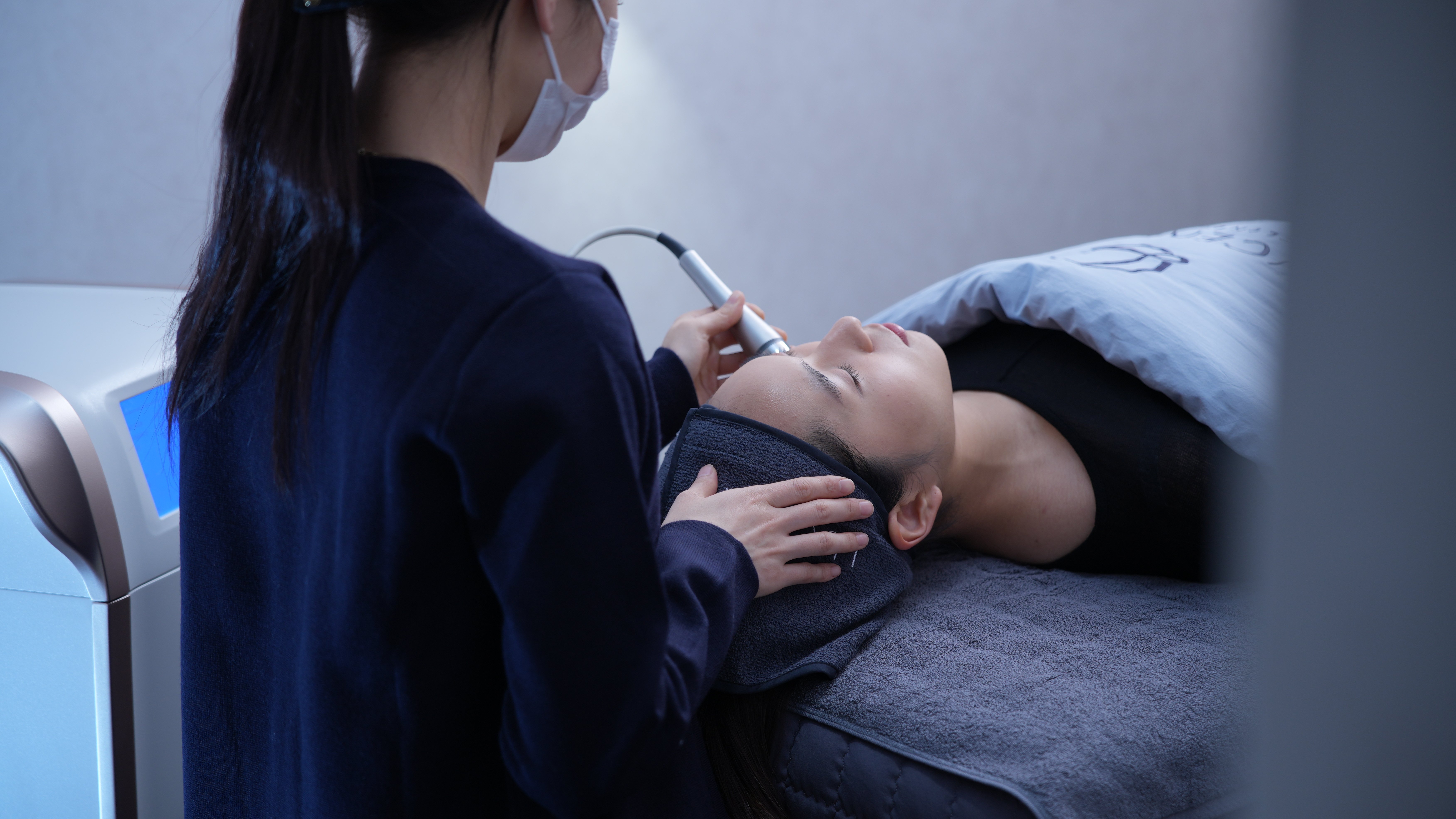
Comparing treatments is most useful when the options are grouped by their stated targets. Thermage FLX is associated with dermal collagen renewal, tightening, and fine lines. Sofwave focuses on the mid-dermis, collagen and elastin, fine lines, and texture. Onda targets dermal collagen and unwanted fat, while Potenza addresses concerns such as pores, scars, and redness through microneedling radiofrequency. These are different treatment profiles, not a simple ranking.
Compare the concern before the technology
Start by identifying what you want assessed: skin firmness, fine lines, texture, pores, scars, redness, or unwanted fat. This helps the medical staff connect the concern to the stated purpose of each treatment. For example, Thermage FLX is described for tightening and fine-line reduction, while Potenza is used for pore and scar care as well as redness.
It is also useful to consider whether the concern involves skin quality, contour, or both. At Lucenne clinic, treatment planning includes assessment of skin elasticity, volume, and contour, which can guide a discussion of customized lifting combinations. A precise concern leads to a more relevant comparison than asking which treatment is generally better. If several concerns are present, the consultation can clarify which should be prioritized and whether combining approaches is suitable.
Different treatments are described for different concerns, from skin firmness and fine lines to pores, scars, texture, and unwanted fat. Begin with the concern you want evaluated, then discuss which technology aligns with it and why.
Understand the technologies and their targets
Thermage FLX uses radiofrequency energy to support collagen renewal in the dermis. Sofwave uses focused ultrasound energy targeting the mid-dermis to support collagen and elastin. Onda uses microwave energy directed at dermal collagen and unwanted fat. Potenza combines microneedling with radiofrequency to stimulate collagen and address pores, scars, and redness.
These descriptions help explain why the treatments should not be treated as direct substitutes. Their energy types, treatment targets, and stated aims differ. The appropriate option depends on an evaluation of the skin and the goals discussed with the doctor. A technology description is a starting point for a clinical conversation, not a prediction of an individual result. Ask how the proposed treatment addresses your specific concern, what the plan involves, and whether another option would be more relevant.
Consider a customized treatment plan
Some people have more than one concern, such as reduced firmness alongside textural changes. Lucenne clinic offers customized lifting combinations based on an assessment of skin elasticity, volume, and contour. A combination should be considered only after the medical staff has evaluated the individual case and explained the role of each treatment.
A consultation also helps make priorities clear. You can describe what you notice, which areas concern you, and what kind of change you are seeking. The doctor can then discuss whether Thermage FLX, Sofwave, Onda, Potenza, or another listed service fits the concern. Choosing fewer, relevant steps can be more useful than selecting treatments by trend. The plan should remain grounded in clinical assessment, realistic expectations, and an understanding of the distinct purpose of each option.
Ask for a clear explanation of the proposed approach before deciding. This can include which concern the treatment is intended to address and how its technology differs from alternatives. If more than one treatment is suggested, ask how each part relates to the overall plan. The aim is to make an informed choice that reflects your priorities, not to combine procedures without a clear reason. Lucenne clinic’s approach emphasizes tailored solutions and subtle refinement rather than over-treatment.
Gangnam Thermage consultation and treatment planning
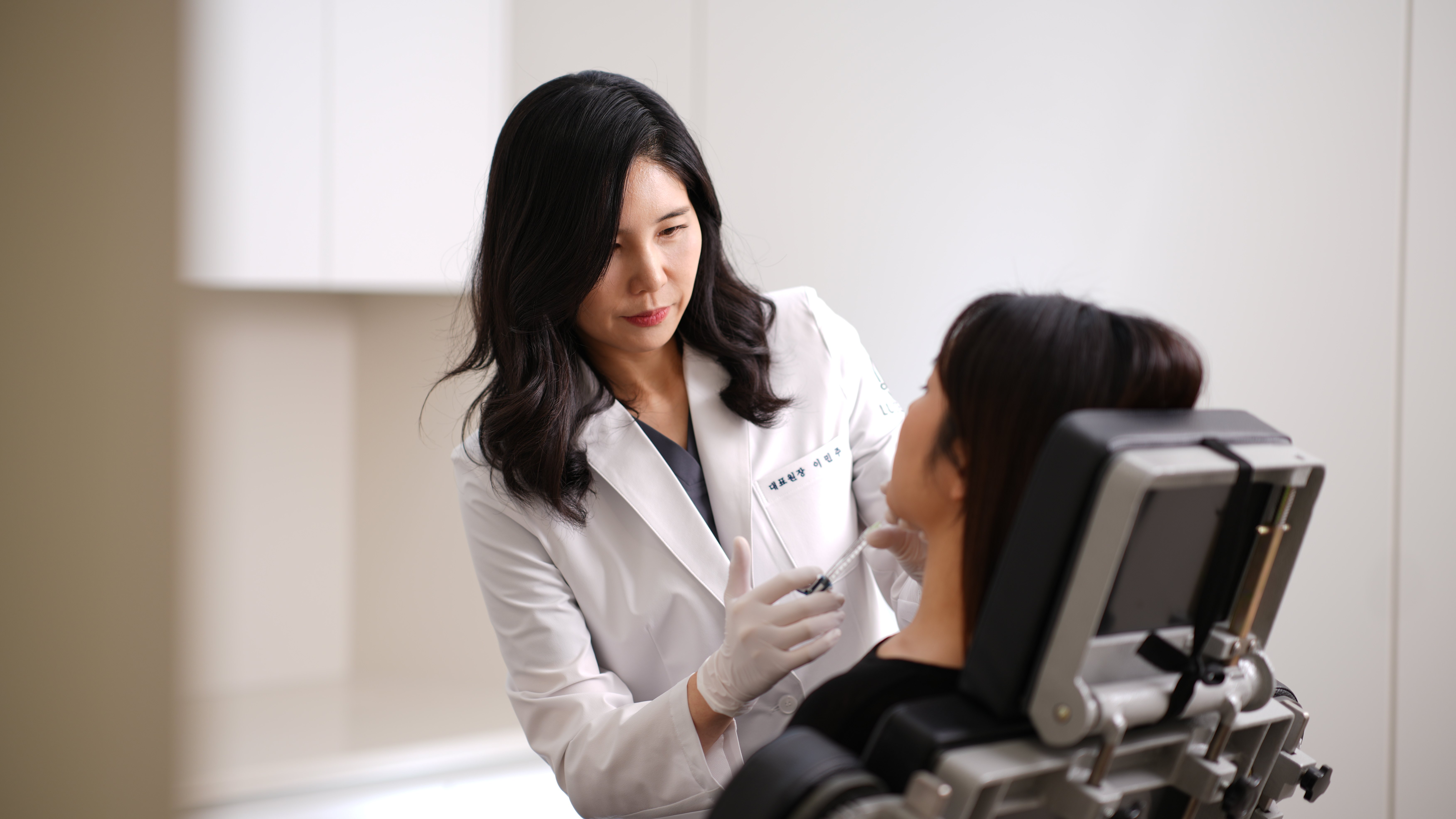
A consultation is an opportunity to assess whether Thermage FLX fits your skin concerns and how it compares with other available treatments. Lucenne clinic provides one-on-one consultation and customized treatment planning. The discussion can consider skin elasticity, volume, contour, and the area of concern, then review relevant options. Share your priorities openly so the treatment conversation can focus on what matters to you. Specific recommendations should follow an individual evaluation by the medical staff.
What to discuss during your consultation
Explain the concern you want evaluated, such as skin firmness, fine lines, texture, pores, scars, redness, or contour. Mention which areas are most important to you and what you hope to address. These details help the doctor assess whether Thermage FLX or another treatment is relevant.
You can also ask how the recommended technology works and what concern it is intended to target. If the discussion includes a combination, request an explanation of each treatment’s role. A clear consultation connects the proposed plan to your individual assessment. It should help you understand the options without implying that a device can guarantee a particular result. The medical staff can discuss the plan in light of your skin condition and personal goals.
A consultation helps connect your priorities with the treatment’s intended purpose. Ask what the recommended option targets, how it compares with alternatives, and how the plan reflects your skin assessment.
Set realistic expectations and priorities
Skin responses differ, and changes may take time depending on individual condition. A treatment description explains its intended target; it does not promise that every person will experience the same outcome. Discuss what is realistic for your concern and how progress will be considered as part of your care.
It can help to choose a primary concern before discussing secondary goals. For example, tightening, texture, pores, and contour relate to different treatment discussions in the options described at Lucenne clinic. Prioritizing concerns makes it easier to evaluate whether a proposed treatment is relevant. The doctor can explain how the suggested approach fits your skin condition and whether a single treatment or customized combination is appropriate. Your decision should be based on that assessment and a clear understanding of the plan.
Practical details before visiting
Lucenne clinic is located at 5F, Dongyang Building, 105 Bongeunsa-ro, Gangnam-gu, Seoul, Republic of Korea. For appointment or consultation inquiries, call +82-2-6952-3663. Sharing your main skin concern when arranging a visit can help direct the consultation toward the questions you want answered.
There is no single treatment choice that suits every person. Use the consultation to discuss your skin condition, goals, and the differences between Thermage FLX and alternatives such as Sofwave, Onda, or Potenza. Ask for an explanation of the recommended treatment and the reason it fits your case. Informed decisions come from a specific assessment and a clear discussion of options.
Cost depends on the individual treatment plan, so discuss pricing during consultation. Before proceeding, make sure you understand which treatment is being proposed and what concern it is intended to address. You may also want to ask how the plan accounts for your priorities and whether any alternatives are appropriate. The purpose of these questions is to support a considered decision based on your needs, rather than to assume that one technology is suitable for every skin concern.




Frequently Asked Questions
Q.What kind of clinic is Lucenne clinic?
A.Lucenne clinic is a dermatology clinic offering skin and body treatments, including Thermage FLX, Sofwave, Onda, and Potenza. Its treatment planning emphasizes individual assessment and tailored solutions.
Q.Who might consider Thermage FLX?
A.It may be relevant for people seeking an assessment of skin tightening or fine-line concerns. The medical staff can evaluate whether it fits an individual’s skin condition and goals.
Q.How does Lucenne clinic compare Thermage FLX with other treatments?
A.The consultation can compare Thermage FLX with options such as Sofwave, Onda, and Potenza based on their technologies and stated targets. Recommendations are tailored after assessing skin elasticity, volume, and contour.
Q.How much does treatment cost?
A.Cost depends on the treatment plan. Lucenne clinic can discuss the applicable pricing during consultation.
Q.Where is Lucenne clinic, and how can I contact it?
A.Lucenne clinic is at 5F, Dongyang Building, 105 Bongeunsa-ro, Gangnam-gu, Seoul, Republic of Korea. Call +82-2-6952-3663 for appointment or consultation inquiries.
Clinic Information
| Clinic | Lucenne clinic |
|---|---|
| Specialty | Dermatology |
| Address | 5F, Dongyang Building, 105 Bongeunsa-ro, Gangnam-gu, Seoul, Republic of Korea |
| Phone | +82-2-6952-3663 |
| Website | https://en.lucenne.co.kr/ |
 Lucenne clinic