
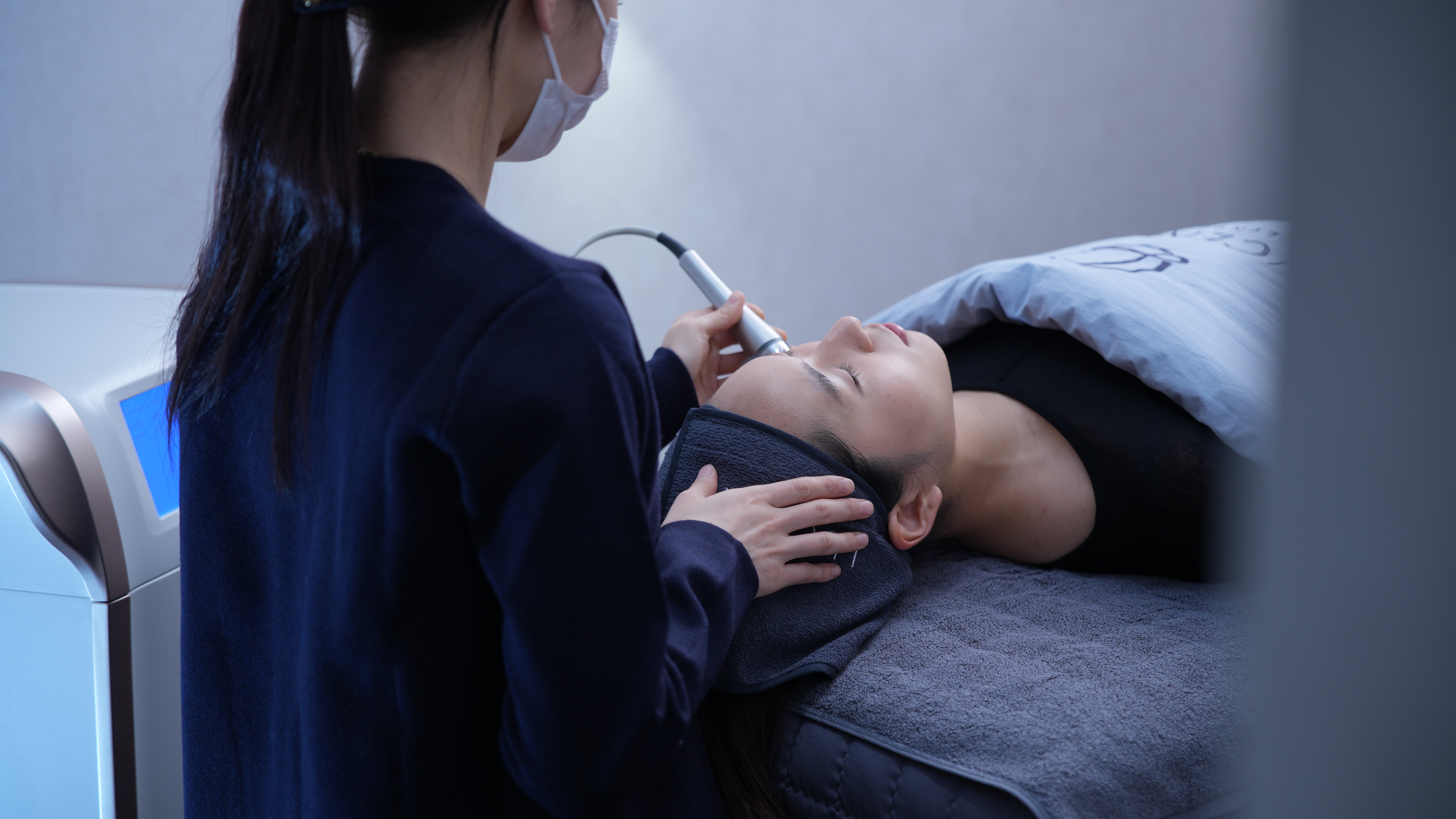
How Gangnam Facial Rejuvenation Is Personalized
Facial rejuvenation is not a single procedure. It can involve different approaches to concerns such as skin laxity, fine lines, uneven texture, pores, or hydration. At Lucenne clinic, treatment planning begins with a one-on-one consultation so the doctor can understand the person’s priorities and assess the skin. The aim is a tailored plan that focuses on subtle refinement rather than treating every concern with the same method. A discussion of skin condition, facial contour, and treatment goals helps guide which options may be appropriate.
Start with consultation and skin assessment
A useful consultation connects a person’s concerns with the condition of the skin rather than starting with a device or procedure. The doctor can discuss areas such as elasticity, volume, contour, pores, and fine lines, then explain which treatment approaches may address those priorities. Lucenne clinic offers one-on-one consultations and customized treatment planning. Clear communication about goals, prior treatments, and relevant skin concerns supports a more informed discussion.
Skin analysis can add another layer of information to that conversation. Lucenne clinic uses EVE MUSE, a 3D AI skin analysis system designed to assess overall skin condition and support tailored cosmetic planning. The analysis can help frame a discussion of visible concerns and future skin changes, but it is one part of an assessment rather than a replacement for a consultation. The medical staff can relate the findings to the person’s goals and explain the available approaches. A thoughtful plan should reflect both the assessment and the individual’s preferences. This helps avoid choosing a treatment simply because it is familiar or widely discussed.
Personalization starts with understanding what the person wants to address and assessing the skin before selecting an approach. Skin analysis can inform the conversation, while the consultation helps connect findings with individual goals.
Match treatment approaches to specific concerns
Different technologies are designed to target different skin depths and concerns. Ultrasound-based options may be considered for lifting or skin texture, while radiofrequency approaches can focus on tightening and fine-line care. Microneedling RF is available for concerns such as pores, scars, and redness. The right choice depends on the skin assessment, the area being treated, and the person’s priorities. A consultation can clarify how a particular option fits into an overall plan.
Lucenne clinic provides a range of device-based treatments, including Ultherapy Prime, Sofwave, XERF, Onda, Thermage FLX, and Potenza. These options use different energy types and target different tissue depths or concerns. For example, Ultherapy Prime uses focused ultrasound directed toward the SMAS layer, while Sofwave targets the mid-dermis with focused ultrasound energy. XERF uses radiofrequency at three skin depths, and Thermage FLX uses radiofrequency to support collagen renewal and skin tightening. These descriptions explain the intended treatment focus; they do not establish that every option suits every person. The doctor can discuss the rationale and the approach during consultation.
Consider the treatment focus and available technology
Knowing what each technology is designed to address can make a consultation more productive. Lucenne clinic’s treatment options include energy-based procedures as well as a combination of radiofrequency and skin booster injection. Ask how a proposed treatment relates to your specific concern and which skin areas it is intended to address. This keeps the discussion focused on personal needs rather than on device names alone.
The clinic also offers Double Tite, which combines radiofrequency energy with skin booster injection to support hydration and dermal regeneration. LDM uses dual ultrasound for deep hydration and skin barrier care, while Cryocell combines cooling technology and microcurrents to soothe the skin and address redness or swelling. These options have distinct purposes and should not be treated as interchangeable. The consultation can cover whether an energy treatment, injectable approach, or supportive skin-care technology is relevant to the person’s condition. When discussing a plan, it is reasonable to ask what each step is meant to do and how the proposed steps fit together.
| Treatment option | Technology or focus | Intended concerns |
|---|---|---|
| Ultherapy Prime | Focused ultrasound directed toward the SMAS layer | Lifting and skin elasticity |
| Sofwave | Focused ultrasound targeting the mid-dermis | Fine lines and skin texture |
| XERF | Radiofrequency targeting three skin depths | Skin tightening and fine-line care |
| Potenza | Microneedling radiofrequency | Pores, scars, and redness |
| Double Tite | Radiofrequency combined with skin booster injection | Hydration and dermal regeneration |
The table provides a concise overview of the stated treatment focus, not a recommendation for an individual. Skin condition, treatment area, and personal goals all matter when choosing among options. Some people may want to discuss one main concern, while others may benefit from a plan that considers multiple concerns together. Use the consultation to understand the purpose of each suggested treatment and whether it aligns with your priorities. The doctor can explain how the options may be combined or considered separately.

What Gangnam Facial Rejuvenation Treatments Address
Facial rejuvenation treatments can be selected to address different visible concerns, from loss of firmness to texture and hydration. At Lucenne clinic, options include focused ultrasound, radiofrequency, microwave energy, microneedling RF, and skin-support treatments. Each has a distinct treatment focus, so the first step is identifying which concern matters most to the person. Changes may take time depending on individual condition, and treatment response is not identical for everyone. The doctor can explain the intended role of an option and discuss a plan after assessment.
Skin firmness, contour, and fine lines
For concerns involving skin firmness or contour, Lucenne clinic offers several energy-based options. Ultherapy Prime uses high-intensity focused ultrasound directed toward the SMAS layer, while Onda uses microwave energy targeting dermal collagen and unwanted fat. Thermage FLX uses radiofrequency energy in the dermis, and XERF is designed to target three skin depths. These technologies differ, so a consultation should establish which approach is relevant to the person’s skin and goals.
Fine lines and texture can also be part of a rejuvenation plan. Sofwave uses focused ultrasound energy directed at the mid-dermis, with a stated focus on collagen and elastin support, fine-line reduction, and skin texture. Thermage FLX is described as supporting collagen renewal and tightening, while XERF is intended for tightening and delicate wrinkle care. Onda is described as offering lifting and tightening with minimal discomfort. These are treatment aims, not guaranteed outcomes. The doctor can explain how the proposed approach relates to the areas of concern, what the procedure involves, and what changes may be expected over time based on the individual assessment.
Different concerns call for different treatment discussions: lifting, firmness, fine lines, and texture are not identical goals. Understanding the technology’s intended focus helps make the consultation more specific and supports informed treatment planning.
Texture, pores, scars, and redness
Skin texture concerns may involve pores, scars, redness, or fine lines, and each can call for a different treatment conversation. Potenza uses microneedling radiofrequency and is offered for pores, scars, redness, and collagen regeneration. Sofwave and some radiofrequency treatments have a focus on texture or fine-line care. A skin assessment helps determine whether a technology matches the concern and the person’s skin condition.
Potenza combines microneedling with radiofrequency energy to stimulate collagen production while protecting the skin surface, according to its treatment description. The clinic also offers Biolight 3, a four-wavelength LED treatment intended to address acne, inflammation, and skin regeneration. These approaches have different purposes: one is a microneedling RF treatment, while the other uses LED light. The medical staff can discuss whether either option relates to the concern being assessed. A conversation should include the targeted area, the intended goal, and any relevant skin sensitivities or previous care. This information helps keep the plan grounded in the person’s needs rather than assuming one treatment addresses every texture concern.
Hydration, skin comfort, and supportive care
Not every rejuvenation plan is centered on lifting. Some people may want to discuss hydration, barrier care, or post-treatment skin comfort. Lucenne clinic offers LDM, which uses dual ultrasound for hydration and skin barrier support, and Sonicool, a multi-function device that includes pore cleansing and microcurrent-assisted ingredient delivery. These supportive options can be discussed alongside, or separately from, energy-based procedures.
Other supportive technologies include Cryocell, which uses cooling technology and microcurrents to soothe heat and address redness or swelling, and Biolight 3, which uses multiple LED wavelengths for acne care, soothing, and skin regeneration. Their role depends on the person’s skin condition and the treatment plan. A consultation can clarify whether the priority is immediate skin comfort, hydration, acne-related concerns, or a longer-term focus such as texture. It is also useful to ask how any supportive care fits with a planned procedure. A treatment plan should explain the purpose of each step rather than treating all available technologies as necessary.
| Concern or care goal | Relevant option at Lucenne clinic | Stated treatment focus |
|---|---|---|
| Hydration and skin barrier care | LDM | Deep hydration and barrier support |
| Skin comfort after heat exposure | Cryocell | Cooling and relief of redness or swelling |
| Acne, inflammation, and skin soothing | Biolight 3 | Multi-wavelength LED care |
| Pore cleansing and ingredient delivery | Sonicool | Multi-function care with microcurrents |
These options illustrate how skin rejuvenation can include procedures with different aims, from energy-based tightening to hydration and soothing care. The table is a guide to stated treatment focuses, not a self-selection tool. A person’s skin condition and goals should shape the discussion with the doctor. Ask which concern each recommended step addresses and whether it is intended as a primary procedure or supportive care. This makes it easier to understand the plan before deciding how to proceed.
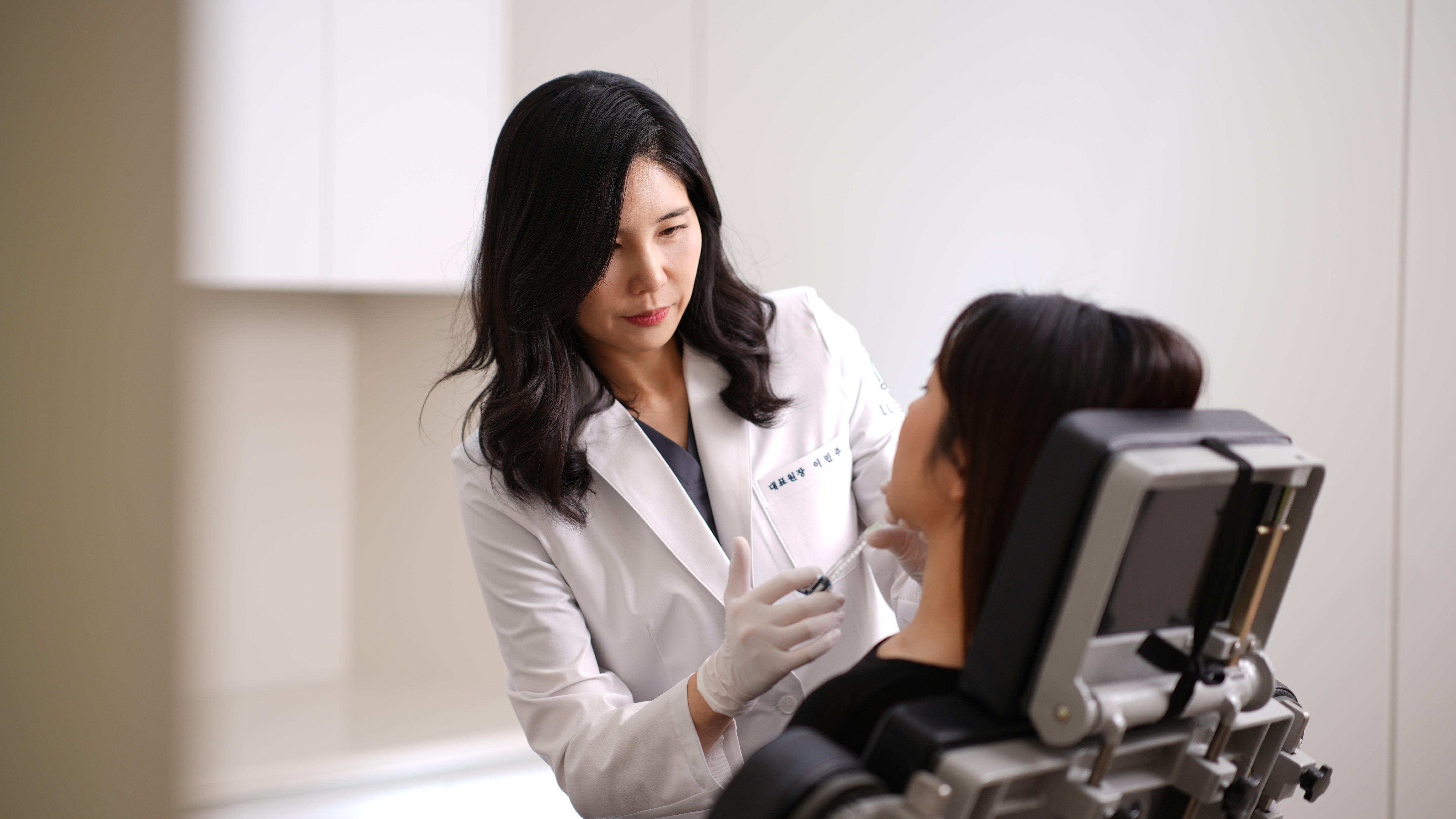
Planning a Gangnam Facial Rejuvenation Visit
Preparing for a consultation does not require choosing a procedure in advance. It is more useful to identify the skin concerns that matter most, describe relevant treatment history, and ask clear questions about the options under consideration. Lucenne clinic offers one-on-one consultation and customized treatment planning, with the doctor assessing skin condition, elasticity, volume, and contour. A measured conversation helps clarify treatment goals, procedure details, and the role of each recommended step. The plan should reflect the individual assessment rather than a fixed sequence for every visitor.
Questions to bring to the consultation
Before visiting, consider which changes you want to discuss, such as skin laxity, fine lines, texture, pores, or hydration. It can also help to make a note of previous procedures and relevant skin sensitivities. At Lucenne clinic, the doctor can explain which options relate to those concerns and how the treatment plan is customized. Bring questions about the intended treatment area, the procedure itself, and what changes may take time.
Useful questions include why a particular technology is being considered, what concern it is intended to address, and whether supportive care is part of the proposed plan. You can also ask how the doctor will use skin analysis alongside the consultation. Lucenne clinic uses EVE MUSE for 3D AI skin analysis and offers imaging-guided anatomical assessment with handheld ultrasound for treatment precision and vessel safety. These tools can contribute to planning, but the person should still receive a clear explanation of how they apply to the proposed care. Understanding the purpose of each assessment can make it easier to make an informed decision. If a recommendation is unclear, ask for an explanation in plain language before proceeding.
A well-prepared visit begins with clear priorities and questions, not a preselected procedure. Consultation and assessment can help connect those priorities with the clinic’s treatment options and explain the purpose of each step.
Understand the plan and practical details
Treatment plans are customized, so the number and type of steps depend on the consultation. Lucenne clinic provides customized lifting combinations based on skin elasticity, volume, and contour. For any proposed procedure, discuss how it is intended to address your concern and what aspects of the plan are optional or supportive. Ask the doctor to explain the treatment sequence and any relevant aftercare before making a decision.
Specific expectations should be discussed individually rather than assumed from a device description. The clinic’s technologies address different concerns, and a treatment’s intended focus does not guarantee a particular result. Changes may take time depending on individual condition. It is appropriate to ask what sensations or temporary skin responses may be relevant to the selected procedure, how to care for the treated area, and when to contact the clinic with a concern. These questions support a clear understanding of the process without relying on generalized claims. Make sure the plan and its purpose are clear before you decide to proceed. The medical staff can provide guidance connected to the treatment being considered.
Clinic setting, schedule, and contact
Lucenne clinic describes its approach as personal customization in a private, premium space, with certified devices and comfortable facilities for skin and body treatments. The clinic is located in Gangnam-gu, Seoul. For scheduling, use the clinic’s contact details and check the current hours before planning a visit. A direct call can help with consultation and reservation arrangements.
Clinic hours are Monday, Tuesday, Thursday, and Friday from 10:00 to 20:00; Wednesday from 14:00 to 20:00; and Saturday from 10:00 to 15:00. The lunch break is from 13:00 to 14:00. The clinic is at 5F, Dongyang Building, 105 Bongeunsa-ro, Gangnam-gu, Seoul, Republic of Korea. For a consultation or reservation, call +82-2-6952-3663. Allow time to discuss your concerns and the proposed plan during the visit. If you have a specific treatment question, raising it when arranging the appointment can help make the consultation more focused.
| Visit detail | Information |
|---|---|
| Monday, Tuesday, Thursday, Friday | 10:00–20:00 |
| Wednesday | 14:00–20:00 |
| Saturday | 10:00–15:00 |
| Lunch break | 13:00–14:00 |
Schedule your visit around the clinic hours and lunch break, and use the consultation to discuss the treatment options that fit your concerns. Lucenne clinic’s address and phone number provide the practical details needed to plan a visit. The treatment conversation can then focus on your skin condition, priorities, and the purpose of any suggested procedure. Clear expectations and an individualized assessment are central to making an informed choice about facial rejuvenation.




Frequently Asked Questions
Q.What kind of clinic is Lucenne clinic?
A.Lucenne clinic is a dermatology clinic offering personalized skin and body treatments. Its services include consultations, skin analysis, energy-based procedures, injectable treatments, and supportive skin-care technologies.
Q.Who may consider facial rejuvenation treatments at Lucenne clinic?
A.People seeking to discuss concerns such as skin laxity, fine lines, texture, pores, scars, redness, or hydration may arrange a consultation. The doctor assesses individual skin condition and goals before discussing suitable options.
Q.What treatment options does Lucenne clinic offer?
A.Options include focused ultrasound, radiofrequency, microwave, microneedling RF, skin booster injection, dual ultrasound, cooling care, and LED treatment. The doctor can explain which options relate to a person’s concerns.
Q.What should I prepare before a visit to Lucenne clinic?
A.Note the concerns you want to discuss and any relevant treatment history or skin sensitivities. The clinic is open Monday, Tuesday, Thursday, and Friday from 10:00 to 20:00, Wednesday from 14:00 to 20:00, and Saturday from 10:00 to 15:00, with a lunch break from 13:00 to 14:00.
Q.Where is Lucenne clinic, and how can I arrange a visit?
A.Lucenne clinic is at 5F, Dongyang Building, 105 Bongeunsa-ro, Gangnam-gu, Seoul, Republic of Korea. Call +82-2-6952-3663 for consultation and reservation inquiries.
Clinic Information
| Clinic | Lucenne clinic |
|---|---|
| Specialty | Dermatology |
| Address | 5F, Dongyang Building, 105 Bongeunsa-ro, Gangnam-gu, Seoul, Republic of Korea |
| Phone | +82-2-6952-3663 |
| Website | https://en.lucenne.co.kr/ |
 Lucenne clinic